
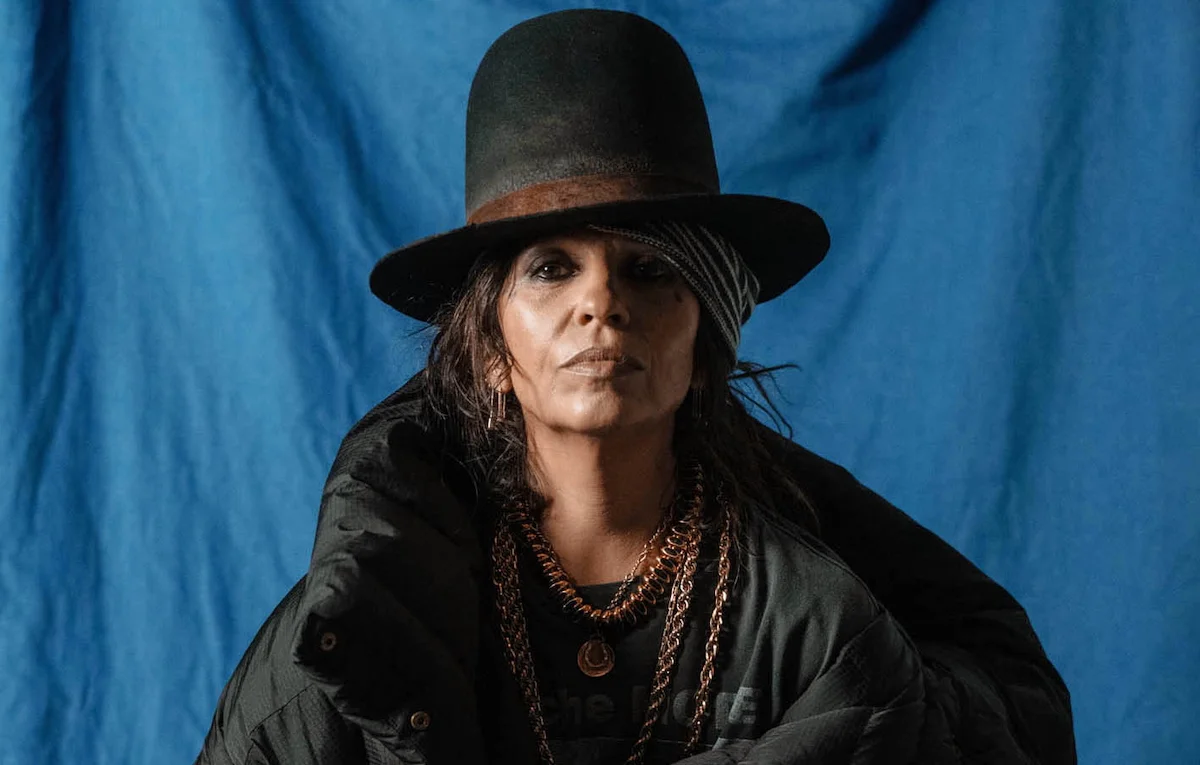
Thirty years ago Linda Perry almost got killed by the bastards. She had left 4 Non Blondes at the height of their success and was ready to release In Flighthis first solo album which tells, among other things, about his struggle with alcohol. The label wanted to name it 4 Not Blondeswhich left her perplexed to say the least. «I'm like: “Why the fuck would I call him 4 Not Blondes? It's different stuff. As a result, they put the album in the drawer. I said to myself: I have to start doing something else because I'm too involved in this stuff here.”
In the following three decades, the now 61-year-old artist has built a career first and foremost as an author and producer working with Pink, Dolly Parton, Christina Aguilera. However, he struggled to find his voice. It happened during the filming of Don Hardy's documentary about her, Let It Die Here. The film, which will be released in the United States on May 19, is linked to an album of the same title. It's Perry's first in 25 years and counting. Not only that: he is also working on a new 4 Non Blondes project for the end of 2026. «When we are open and ready to receive them, things then arrive».
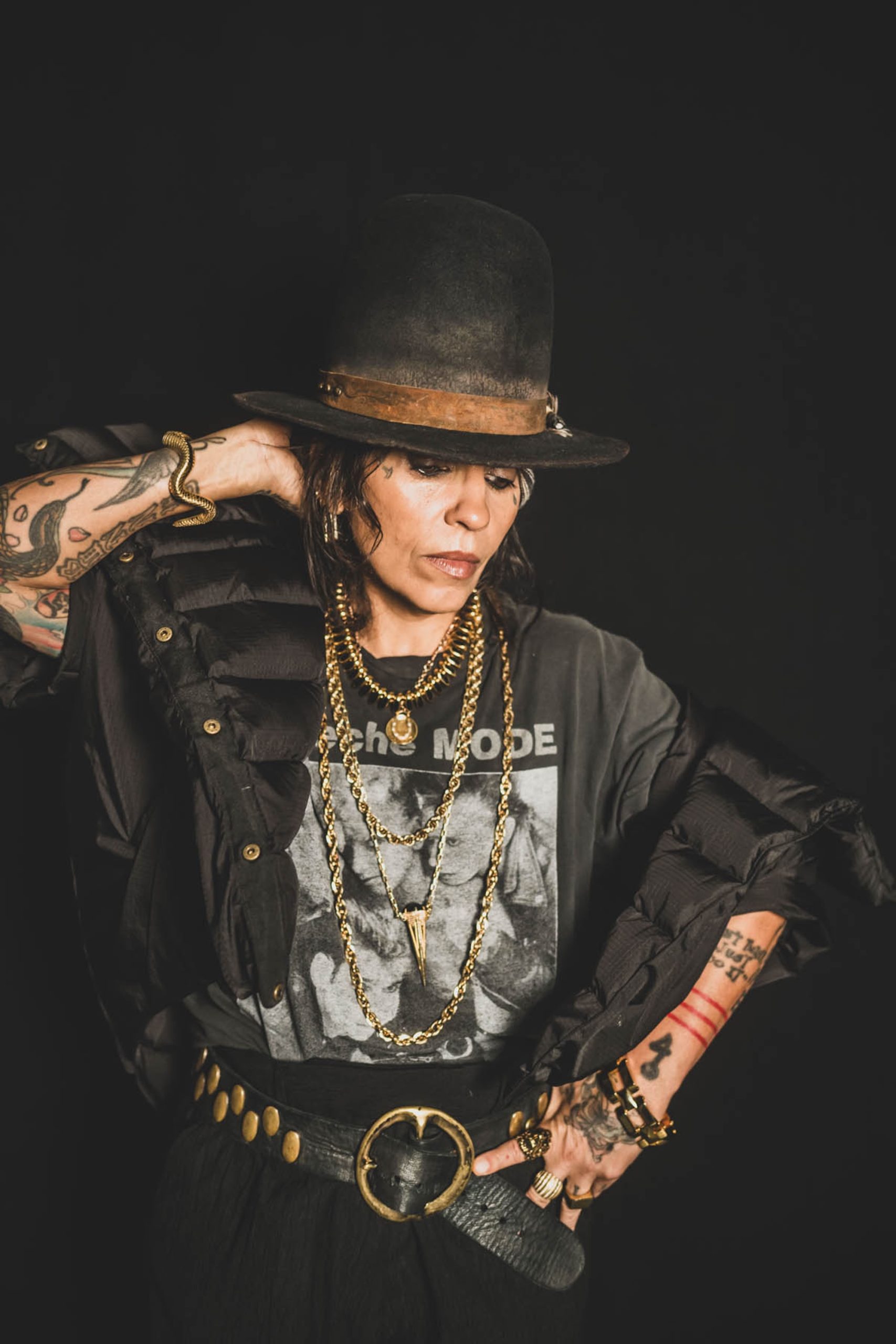
Photo: Sacha Lecca for Rolling Stone US
How did you decide to make the documentary?
I haven't decided that, let's make that clear right away. I was thinking of doing some content for social media with Don Hardy, who I worked with on this film called Citizen Pennthe one about Sean Penn when he went to Haiti for the earthquake. The soundtrack is mine. After I did that, Don said to me, “You're an interesting girl, can I sit there and watch you in your studio while you work?” Then when a room is involved, things happen. I live things in the moment, I don't plan them in advance. I was going through a complicated period. I was confused about who I was as an artist, I felt like I had lost my identity… and that's what came out in the documentary.
There's a scene where you dance to Supertramp, you cry and say you don't dance anymore. Why?
It's one of the most embarrassing scenes in the film. In San Diego there was a club called Studio 9. I went there dressed, I'm not kidding, like Luke Skywalker. I put socks on over my boots, put on white trousers and put on a kind of kimono. I had a jet black mohawk. I walked around like that. Now, keep in mind that I was on acid and therefore thought I was the best dancer in the world. Then you grow up, you become a mother, you start worrying about a lot of things. But there comes a time when you say: what the fuck, why do I have to worry so much and about everything? I think I asked myself this when I remembered that girl with the mohawk who looked like Luke Skywalker on acid and who was free, completely free. A girl who I am no longer, from whom I am very far away now.
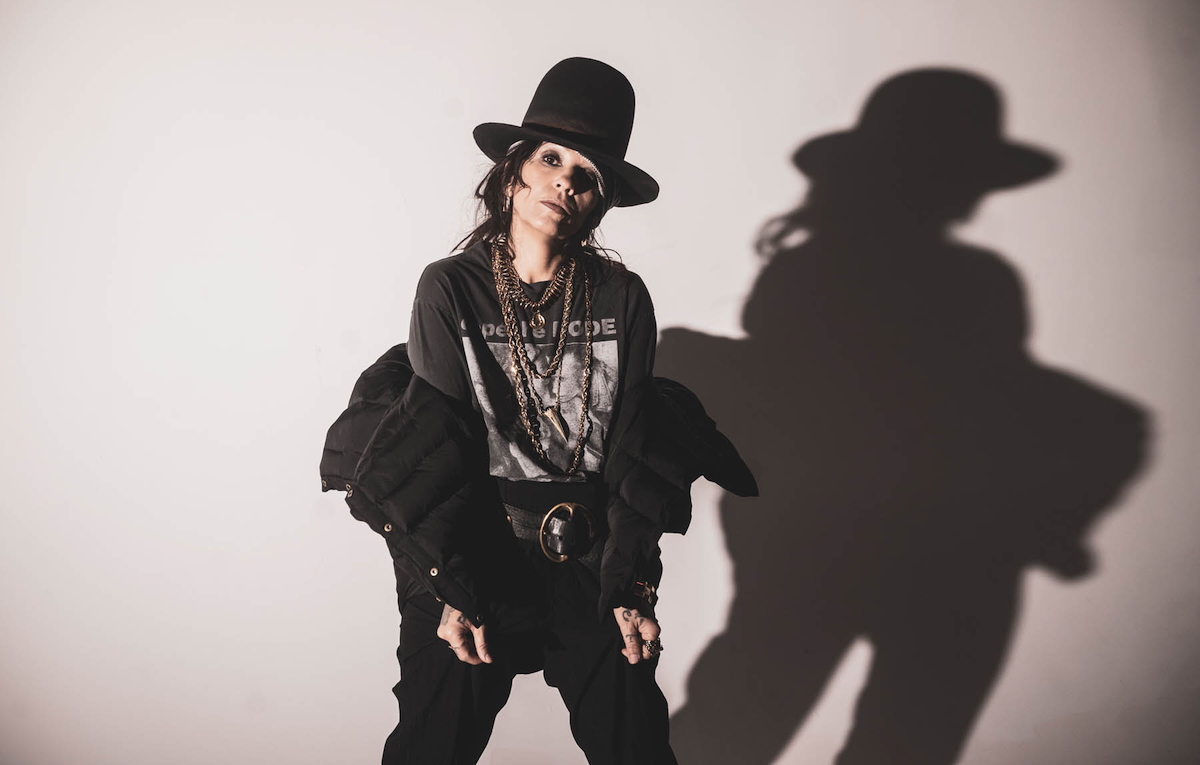
Photo: Sacha Lecca for Rolling Stone US
How did you find yourself again?
Thanks to the documentary. When I saw that girl – and I say that girl because I find it difficult to accept that that documentary is really about me – I felt sorry for myself. I thought: she's trapped, she's stuck.
It also seems like you've also rediscovered your connection with 4 Non Blondes. How did this happen?
They asked me to play at a festival and I told the band that I didn't want to do any songs on the 4 Non Blondes album (Bigger, Better, Faster, More! of 1992, ed) except for Train And What's Up and so I wrote an album of new songs, which is what we played at the festivals. It's a silly, fun '90s rock record.
The solo album, on the other hand, is decidedly darker.
It's all about my mother. Look, I'm not lying if I say it's a deep record. It's a lot of stuff for the listener to absorb, I know, I apologize in advance, but I didn't think about how people would take it. For me it is a beautiful album. I love it. It will be a shame if you don't like it, but I will support it 100%.
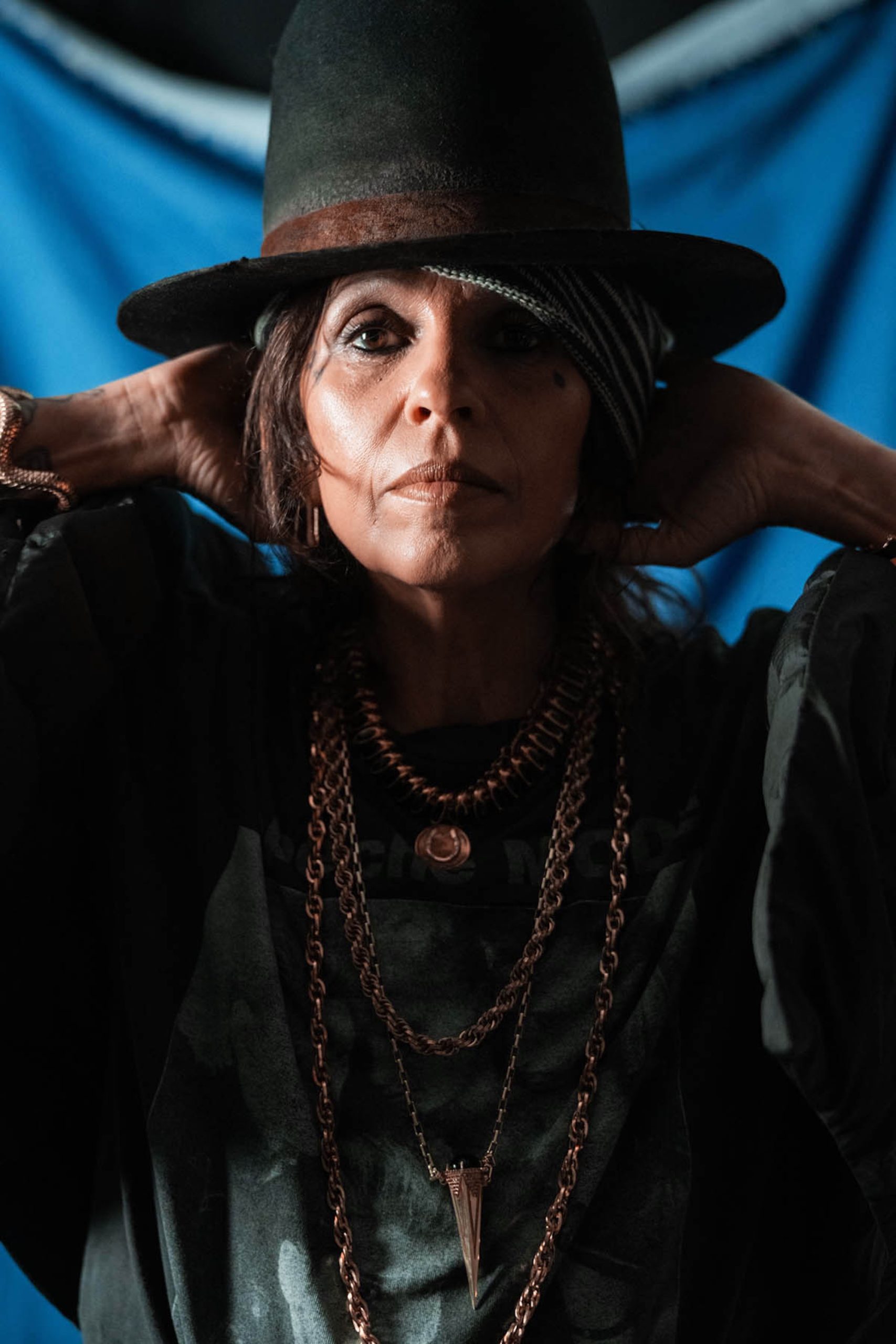
Photo: Sacha Lecca for Rolling Stone US
You were also diagnosed with breast cancer during filming and underwent a double mastectomy. How did it influence you?
When I was young, you were dyke or fagthere was no middle ground, there weren't all these non-binary people, they/them. There were no labels. You were this or that. I've always been genderless and the reason they found out was because I wanted to reduce my breasts. I wanted cute little Kate Moss tits. One day I had cancer and the next day I didn't have it anymore. I'm fine now. It was liberating.
Glad you're well.
I will always be fine. If I could, I would have left the scene 30 years ago, but it wasn't meant to be. I'll continue to be one of those tormented people, I won't leave until I'm 104 or 105, and I'll be very unhappy about it. It's my destiny.
Will you continue making music?
Until the end, baby. I will also bring about my own death. I will write everything, which songs to play and in what order, it will be my opera about death.
Which songs?
Oh I don't know, I still have to write to her.
From Rolling Stone US.