The path of Italian punk immediately crossed that of the so-called “crazy rock”: above all Skiantos and very early Gaznevada, from Bologna, progenitors of both strands; the movement expresses an antithetical approach to that of “committed” songwriting, well represented by “Largo all' avant-garde”: “All singer-songwriters buy / As oarsmen do / When they want to do choirs / That smell of flowers” or by the provocations of “Nevadagaz” (“At midnight on the streets of East Berlin / automatons in SA uniforms / sprinkle the streets with Nevada Gaz / neon swastikas on the city walls”).
It is just one of the ways in which the phenomenon that broke out in England in 1976 is transposed into our peninsula: in Milan the Santa Marta social center is the backdrop to the formation of both the Kandeggina Gang (of the future pop star Jo Squillo) and the Kaos Rock of Gianni Muciaccia, future producer and husband of Giovanna Coletti; groups that try to combine UK and US influences, while the lyrics in Italian they fluctuate between demented tones and “transgression”.
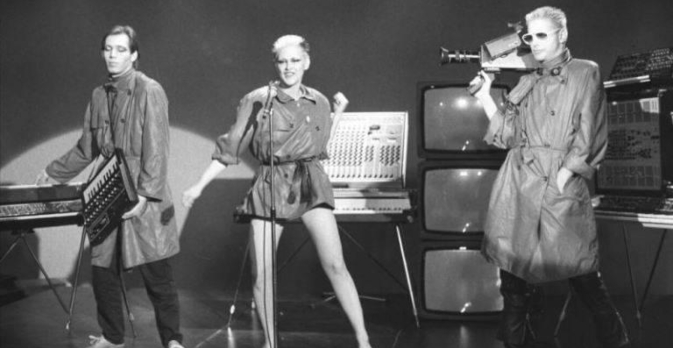
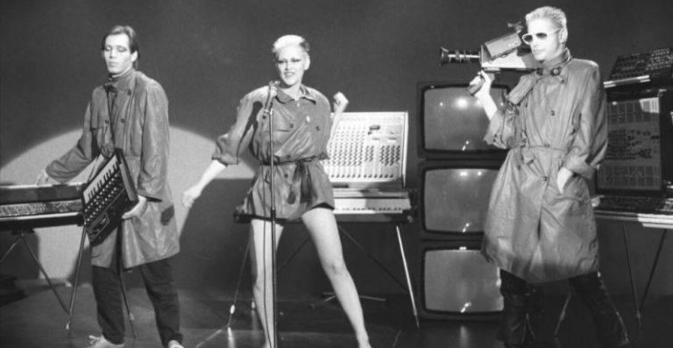
Also in the Milanese capital, Decibel's first steps take place, with the album “Punk” and a scam concert in pure style Rock'n'Roll Swindlewhile the Krisma of the Arcieri-Moser duo translate the lessons gleaned during the London trips in an electronic guise. With “Il leader” Enrico Ruggeri's band targets the student movement, confirming the bumpy path undertaken by these prime moversmisunderstood both by the right-thinking bourgeoisie and by the left-wing establishment; the ideological position of the groups will be different anarcho And hardcore which will make their appearance in subsequent years, but that's another story.
In those years, Bologna remained the “capital” of the first Italian punk: the Bologna Rock festival (held in April 1979) saw on stage, in addition to the aforementioned Skiantos and Gaznevada, Luti Chroma and Windopen, represented here respectively by “We are all Dracula” and “Sei in banana dura” (sic!). And, speaking of Capital, the exploits of Elektroshock (sponsored by Ivan Cattaneo), absolute pioneers on the Roman scene, are undoubtedly noteworthy.
Pordenone is a story in itself: a scene concentrated in the capital of the north-east, characterized by creative heterogeneity and absolute independence from the rest of the peninsula; “UFO Dictator”, a loose cannon packaged by Tampax, comes from a historian split with fellow citizens HitlerSS (about moniker problematic…), while “I'm In Love With My Computer” by Andy Warhol Banana Technicolor is part of the songs chosen for the historic and homonymous Great Conspiracy compilation. Also from Pordenone came the Ramonesians Ice & The Iced, here represented by the engaging “We've Had Enough”.
The “journey” continues in the North-West of the peninsula with Dirty Actions (Genoa) and Johnson Righeira (Turin), who would reach national fame in the Italian-disco field in the 1980s, paired with his “brother” Michael; Rancid X, also from Turin, with glam-rock influences. Billy Blade & The Electric Razors was a solo project of the voice of Gaznevada, author only of this 7″ single-sided; The Rats from Modena also come from Emilia, whose “Skizo” features the lead singer Claudia Baracchi on vocals, alias Claudia Lloyd.
In the furious songs of Chelsea Hotel and Cheetah Chrome Motherfuckers we find the signs of the aforementioned Italian hardcore-punk scene; the Faust'o wave closes everything: “Benvenuti tra i refuse” is taken from “Suicidio” (1978), the debut of the singer-songwriter now active under the name of Fausto Rossi.
The post The first Italian punk appeared first on Onda Rock.
Antonio Santini for SANREMO.FM