

We often say trip-hop when we mean downtempo, and vice versa. Trip-hop, however, had Bristol, with a recognizable voice and aesthetic. Downtempo had none of this: no city of origin, no manifesto. It grew on the edges of Ibiza nights and in German experimental electronic clubs, it multiplied on labels spread between Frankfurt, Tokyo and the two American coasts, making itself heard in contexts that often don't exist today. Yet, thirty years later, it is perhaps the genre that has returned the spirit of the end of the millennium better than others: not the melancholy of Bristol, not the futuristic anxiety of techno, but something defined by a single implicit rule: slow down the pace. Everything else was permitted. Under the same drum machines African percussion and crystalline IDM, hauntology and nu-jazz, drone and changing melody coexisted, without anyone asking for justifications. The ten discs below belong to that area.
We are talking about works and artists interested in the overall temperature, in the stability of a bass son of the dub tradition, in performances that seem like a trip of sampling and pad. Sweetback, a formation born from an offshoot of Sade, built something in 1996 that eluded a single label. Yoshinori Sunahara instead brings slow tempo towards electronic futurism, without the vinyl nostalgia that weighed on much of Western production. Between these extremes work 310, a duo between Seattle and New York that mixes ethnic instrumentation, drones and breakbeats on tapes exchanged by post; Conjoint, ensemble of Heidelberg founded by David Moufang who with Karl Berger brings the downbeat towards instrumental jazz; Mappa Mundi, a Belgian duo whose only album, recorded in 1990 on USA Import, anticipates the entire grammar of the collage sonorous.
The geographical center of this selection does not exist: 310 moves between the two American coasts, Futique comes out on Instinct Records, Pilgrims Of The Mind comes fromunderground from Vancouver, the Starseeds from Germany, Sunahara was born in Japan. Elektrolux, where The Sushi Club converges, remains the most compact node: a German label specialized in chillout cosmic. Many of these titles have never had widespread distribution; some have remained practically unobtainable for decades, such as the Mappa Mundi album, recovered from Midnight Drive in 2019, or that of Pilgrims Of The Mind, released on vinyl only in 2022. The time span goes from 1990 to 2001: eleven years in which slow time found its form and declined it in every possible direction.
310 – AUG 56 – 1997
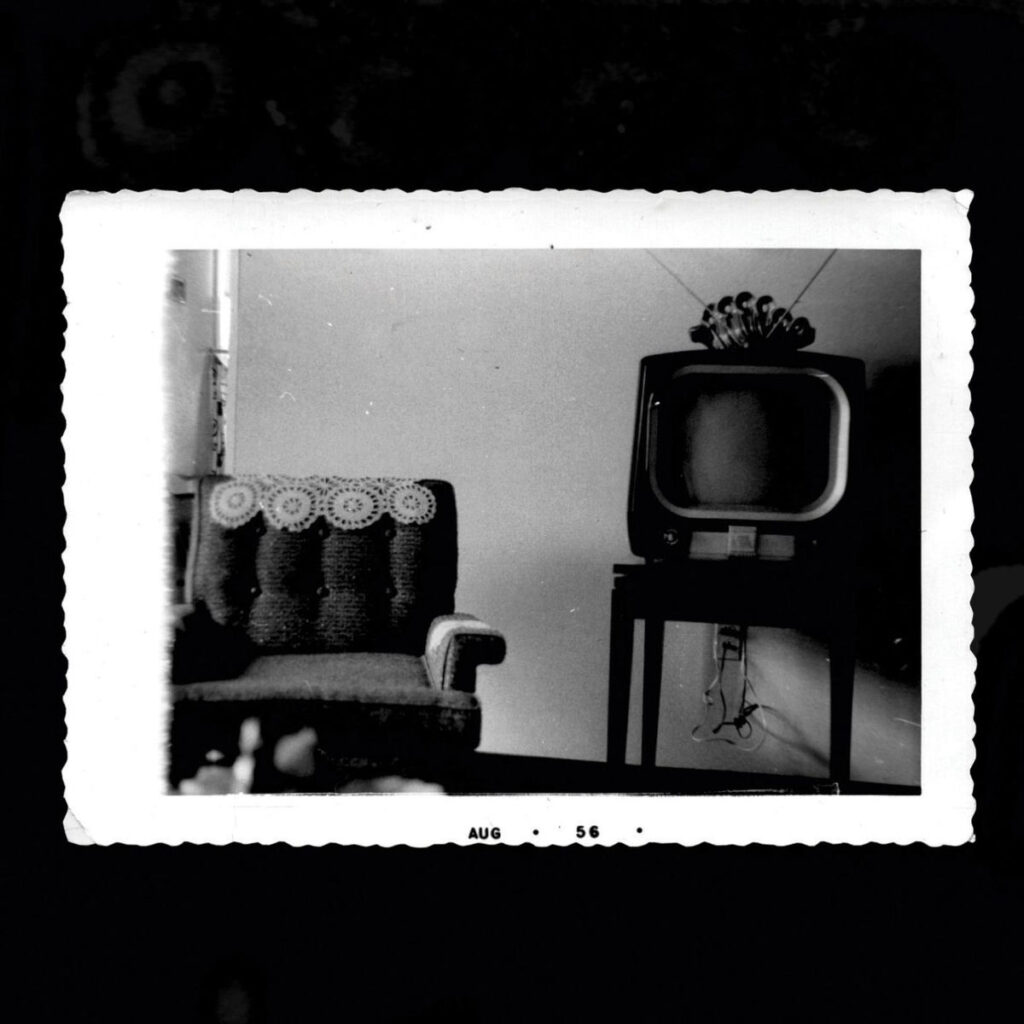
Moving between Seattle and New York, Joseph Dierker and Tim Donovan have been friends since high school. They exchange tapes in the mail, each layering on the other's track and, once the envelope is closed, they don't know how it will end. Starting from instrumental hip-hop to reach ambient drones, the two explore the downbeat with the savoir-faire of those who are studying concrete music. From the substratum of drones and anxieties emerge flashes and evanescent rhythms, articulated in such a way as to make “AUG 56” an album to be experienced as a single track, broken up and held together by a minimum common denominator: the loops. Expanded sections repeat in the ether of a hauntological perspective, each following its own trajectory over a persistent fog. Crossing post-rock, ambient and dub, the 310 absorb and transform whatever comes into their hands into obsessive downtempo.
Conjoint – Earprints – 2000
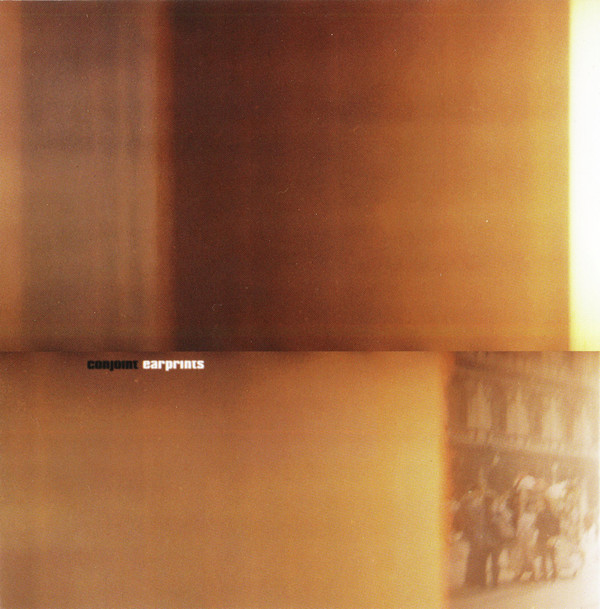
Conjoint is a project founded by David Moufang; to accompany him, the producer techno Jamie Hodge, Jonas Grossmann of Deep Space Network, guitarist Gunter “Ruit” Kraus and Karl Berger, pianist and vibraphonist who had worked with Ornette Coleman, Don Cherry and George Clinton. Berger's role is decisive: nu-jazz and slow time find their soul on a journey blue notes where jazz irregularity marries with glitchy reminiscences of drum machines. The percussion instrument is lost among the faint dub manipulations, recalling Jan Jelinek and Kit Clayton as much as Miles Davis and Tortoise. Moving like bossa nova for Martians, “Earprints” is a smoky and minimal record, where few elements move in a dry and opaque void, at times melancholic, elsewhere full of sober vitality. A collective that is half human and half machine.
Futique – Luv Luv – 1996
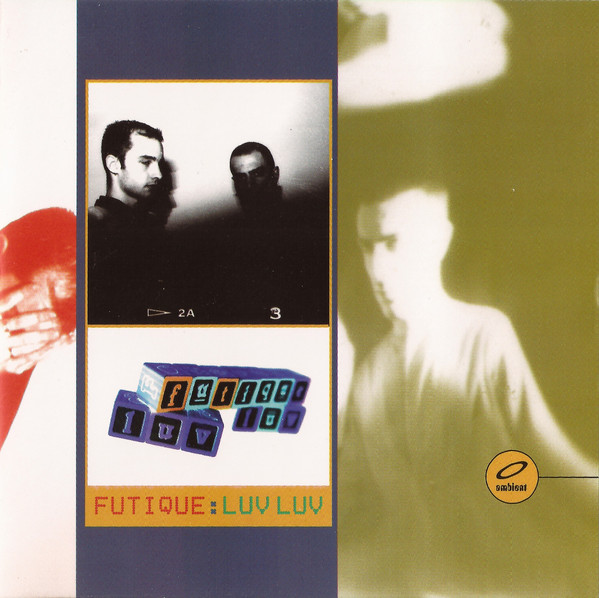
Futique are Taylor Deupree and Savvas Ysatis; the two met in 1993 and built a system of multiple aliases, including Futique for the intermediate territory between trip-hop, dub and jazz. “Luv Luv” is the project's debut, released on Instinct, a New York label with a division specifically dedicated to ambient, of which Deupree was art director. The proposal straddles the line downbeat and slanted psychedelia, with jazz rhythms and melodies bordering on funk jams. The corpus everything lives on the bottom, the true backbone of a structure leftfield for altered states: the rest is all in suspension. The attention to sound is also explained in the parallel work of the two: they were already authors of the soundtrack for the Tower Of Winds in Yokohama, the architectural structure famous for the cladding that reacted to the surrounding noise and wind. An anecdote that places them in the border area between sound architecture and listening music.
Ingleton Falls – Champagne In Mozambique – 1993

Andy Eardley and Andy Seymour came from a rock band from Newcastle and Ingleton Falls was their electronic side project, born to express their love for Dub Syndicate, African Head Charge, Orb and KLF. Recorded on an Atari ST loaded by floppy disks“Champagne in Mozambique” was released in just one hundred copies on a self-produced cassette, practically unobtainable until the reissue of Isle Of Jura in 2018. The album is divided into two sides, “Unaware” and “Aware”, which correspond to two listening states: the first more lively and Balearic, the second dubby and meditative, built on essential rhythms, reverberated instruments and vocal samples that dissolve into the mix. It's music made of delay accumulated, where the grain of the tape is a living part, which finds strong similarities with poetics diy (do-it-yourself) And lo-fi. “Inside Yer Head” closes, a rhythmic journey with a spoken word that reads: “inside your head, exercise the muscles of your mind and imagination, listen to it”.
Mappa Mundi – Musaics – 1990

Pieter Kuyl and Jan Van Den Bergh, Belgium, the only album released in their career. The underlying idea is in the title: “Musaics” as musical mosaics, built by assembling records in real time, live in the studio, in six nocturnal sessions between listening, recording and editing. Van Den Bergh described the method in liner notes of the reprint: “for the sake of spontaneity we limited ourselves to a minimum of manipulation, to let the individual elements react freely with each other”. The sampled material ranges from Bill Nelson to Laraaji, from David Byrne to Popol Vuh, with a random component on the construction: thehardware produces unexpected outcomes, welcomed in their unpredictability. The grammar of the collage anticipates the work of DJ Shadow, but in a context close to new beat of the Eighties, al world music of the tribal environment and the rave culture played at half speed.
Pilgrims Of The Mind – What's Your Shrine? – 1997
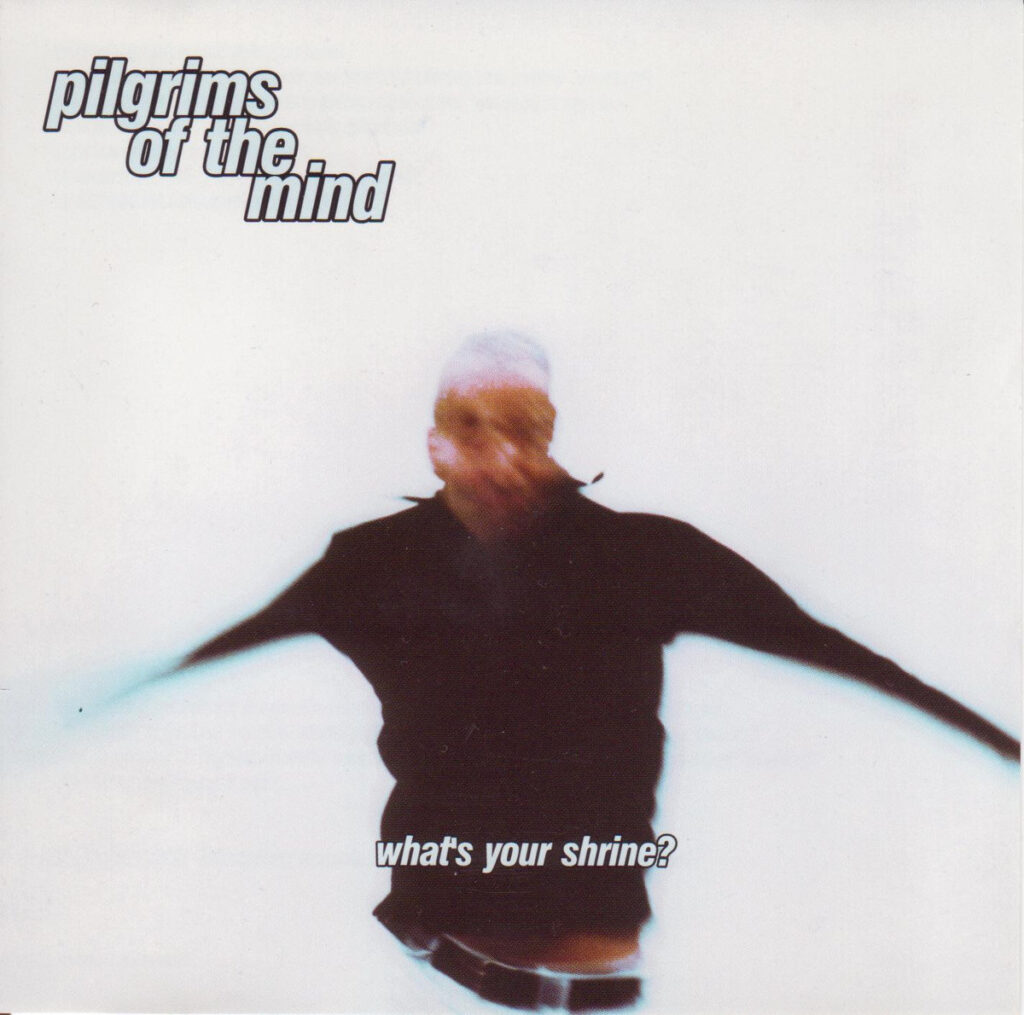
Stéphane Novak is from Montreal, where he trained as a jazz musician before moving to Vancouver in the early 1990s. He used to look for samples on yoga records and old ethnic recordings, and all the material came together in a single home studio called “A Shrine Along The Way”: the name from which the album comes. Moving between sample of horns, rhythmic stratifications and synthetic eclecticism, the album is the son of an artistically prolific but closed-in Vancouver: released in 1997 and remained buried until Heels & Souls reissued it on vinyl in 2022. “What's Your Shrine?” crosses every territory of the chillout room without iconoclasm: although deeply rhythmic, it fluctuates between dub, breakbeat distortions, jazz, progressive house and Balearic sequences. From the panache funky to melancholy, passing through euphoric excursions designed for the dancefloor.
Starseeds – Parallel Life – 1997
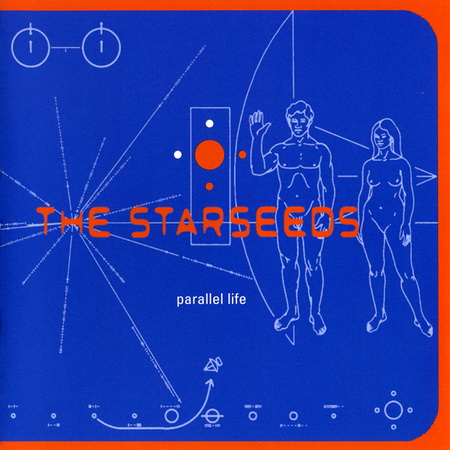
After taking their first steps in Munich, Regina Dannhof and Alex McGowan moved to London, starting as a rock band, while at the same time recording experimental electronic material. A cassette ended up in the hands of Waveform Records, who inserted one of their tracks into the compilation “Two AD” and then commissioned an album. By the time the album was ready, Waveform had changed its mind, however. Millennium Records took it in a short time: “Parallel Life” reached first place in the American university charts; there title track had already circulated on a disk attached to Future Music magazine even before its release, and defines an album as ethereal and essential, persuasive and intimately sci-fi. Crossing the West with an eye for the sampling oriental, the proposal is a vaporous downbeat with whispered female voices and dub bass, which often finds strong kinship with post-rock and ambient techno.
Sushi Club – Sushidelic – 1999
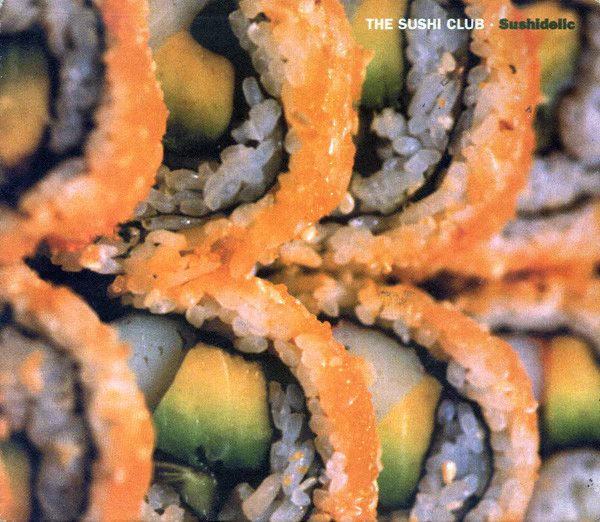
Sushi Club is the project of Tomio Tremmel, a German of Japanese origins. He started playing at a very young age, then the Heidelberg hip-hop scene and the Omen club in Frankfurt as a gateway to techno and downtempo. The declared references are Pink Floyd, Yello, Future Sound Of London and Orbital: a primer that explains the attitude trippy and progressive. “Sushidelic” was released in 1998 on Elektrolux and became one of the label's flagship titles. The album is linked to SpaceNight, the television program that broadcast NASA and ESA footage over ambient music: Tremmel contributes both musically and visually. The track titles are all names of Japanese dishes; the work moves between aquatic Idm and electronic optimism of the end of the millennium, producing soft atmospheres on a well-constructed carpet of clear and penetrating percussion.
Sweetback – Sweetback – 1996

Sweetback is the project of Matthewman, Hale and Denman, Sade's three instrumentalists, without Sade Adu. The group takes its name from the 1971 Melvin Van Peebles film and was born during the break following the 1994 Love Deluxe World Tour. The project took shape from months of exchanging tapes between the three before entering the studio together: Matthewman worked from his own New York studio Cottonbelly, where he had already collaborated on the debut of Maxwell, the neo-soul singer Amel Larrieux of Groove Theory, which explains his presence as a guest. They themselves call their proposal “global soul music”: Maxwell and the rapper of Philadelphia Bahamadia lead the voices, the rest is instrumental, built on dub frequencies, saxophone noir more nocturnal and contemplative keyboards. The trio's is a sensual and warm rhythm, close to r&b as well as three in the morning trip-hop, played with surgical precision.
Yoshinori Sunahara – Lovebeat – 2001
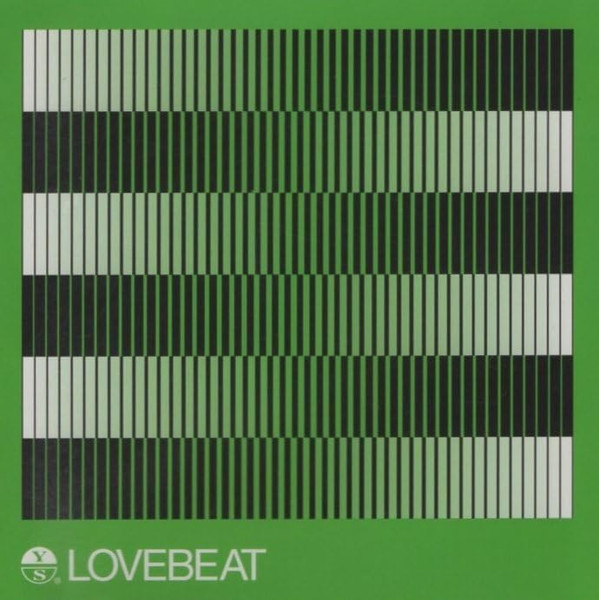
Japanese Yoshinori Sunahara plays in the group technopop Denki Groove from 1991 to 1999 under the alias Marin. The previous three solo albums were built around his obsession with aviation, and “Lovebeat” is a change of direction: two years in the making at the exact moment of transition between analog heat and digital algorithm. Sunahara recorded the digital material on analog tape to mature it before mixing: he wanted a textures that binary code alone could not provide. The result maintains the structure of the techno scene but eliminates its oppression, shifting the grammar towards bright, almost electro and microhouse. Mechanically cadenced, inexorable like a marching robot, the work lives on essential and crystalline synthesizers, with the repetition machine that becomes monolithic and telluric. Downtempo in intentions, cybernetic and futurist in facts.
Daniel D`Amico for SANREMO.FM