
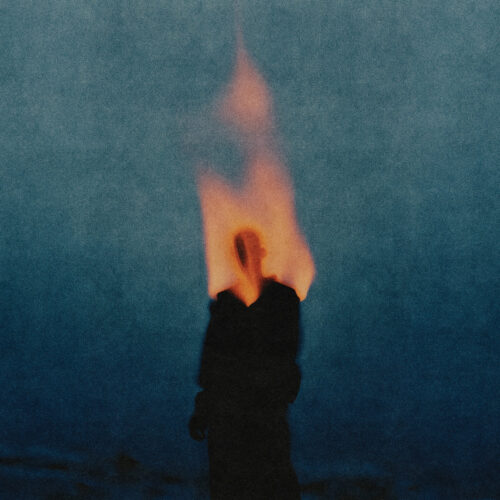
Ten years are just a habit for Klimt 1918. Since 2016, when “Sentimentale Jugend” closed an eight-year chapter from the previous “Just In Case We'll Never Meet Again”, silence has become a second skin for them. Not the silence of abandonment, but that of sedimentation: like photographs left to settle in the attic, like summer skies observed for too long from a foggy window. “Àmor” therefore arrives not as a festive return, but as a slow, almost inevitable resurfacing.
The title is a game of mirrors: read backwards, it reveals Rome, the city where the band has always lived and which here becomes a mental landscape. Not the postcard Rome, but that of the hot suburbs in August, of the ruins you live with without looking at them anymore. A Pasolini-esque Rome of decay, where humanity continues to move as if the collapse had already occurred. It is against this background that “Àmor” sets its eleven songs.
The ancient coordinates (shoegaze, post-rock, dream-pop, even the ancient metal reflections of the beginning) are now recomposed in a new form. The word that the label coined, skygazeperhaps it captures the meaning: gaze at the sky, vertical melancholy, nostalgia that does not seek redemption but basks in its own suspension. But that's an understatement. Klimt 1918 today sound as if they have stopped chasing genres to embrace a single, obstinate, obsessive emotional direction.
The opening is entrusted to “Dream Core”, and the title itself is a manifesto. Klimt 1918 say they dedicate this album “to those who choose to love despite everything”. “Eros” is the carnal heart of the album. Domenico Vellucci's sax insinuates itself like a nocturnal thought, grows until it becomes a quartz blade and the song transforms into a baroque architecture of fuzz and reverberations. Here the fire of the cover (a man burning in the night) becomes palpable. Love is not caress, it is combustion. There title track instrumental “Àmor” is instead a surprise: only guitars that curl up on themselves, migratory wind, no words. It lasts less than three minutes but manages to condense all the yearning of the album into a sonic arabesque straight out of a daydream.
“Àmor” is a product with a strong atmospheric coherence, a work that does not try to fill the void of time, but inhabits it. It is a record born from the silence of lockdownyet he reacts to that loneliness by seeking love. And he does it in his own way, with the delicacy of someone who knows that passion is not just a flame and seeks the heat of its embers that still burn under the ashes.
06/28/2026
Antonio Santini for SANREMO.FM
