
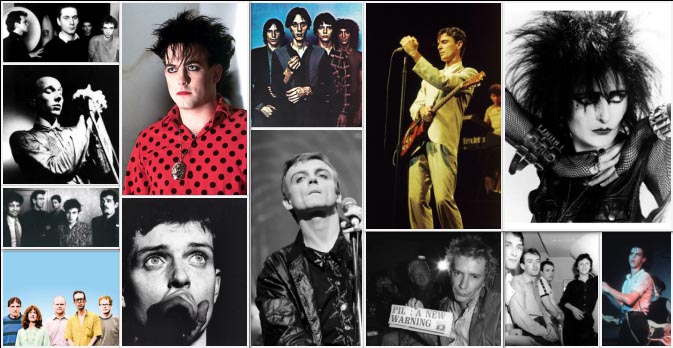
The new “others' ranking” that we propose is dedicated to one of the most loved genres on these frequencies: post-punk. It is, in fact, “The 50 Best Post-Punk Albums Ever”, the list published by PopMatters magazine which selects what, in their opinion, are the 50 essential titles of the genre. We then encounter some of the essential albums of the post-punk season of the 70s and 80s, when in an attempt to break free from the rock clichés and already established patterns of the punk scene, new artists incorporated avant-garde influences, funky rhythms and more complex and menacing textures to lead a new movement that celebrated innovation in all its stylistic forms. In the era of post-punk rebirth (or revival, according to the most malicious), it is always good to look for the originals, the sources of inspiration referred to by the new generation of bands that are bringing this genre back to general attention. In short, if you want to know where contemporary groups such as Fontaines DC, Shame, Sleaford Mods, Idles, Goat Girl, Protomartyr, Iceage, Girl Band and Murder Capital got their inspiration, you will find many answers here.
Here is the ranking of the 50 best post-punk records of all time according to PopMatters (here is the complete report).
On OndaRock, however, you will find a podcast dedicated to the birth of post-punk.
50. Gang Of Four – Solid Gold (1981)
49. The Durutti Column – The Return Of The Durutti Column (1980)
48. Au Pairs – Sense And Sensuality (1982)
47. Adam And The Ants – Kings Of The Wild Frontier (1980)
46. Tuxedomoon – Half-Mute (1980)
45. Throbbing Gristle – 20 Jazz Funk Greats (1979)
44. Josef K – The Only Fun In Town (1981)
43. Public Image Ltd – First Issue (1978)
42. Liliput – Liliput (1982)
41. The Birthday Party – Prayers On Fire (1981)
40. The B-52's – The B-52's (1979)
39. The Fall – Hex Enduction Hour (1982)
38. The Feelies – Crazy Rhythms (1980)
37. Siouxsie And The Banshees – Juju (1981)
36. Mission Of Burma – Signals, Calls, And Marches (1981)
35. This Heat – This Heat (1979)
34. Essential Logic – Beat Rhythm News (1979)
33. The Cure – Pornography (1982)
32. ESG – Come Away With ESG (1983)
31. Magazine – Real Life (1978)
30. Echo & The Bunnymen – Porcupine (1983)
29. Pylon – Gyrate (1980)
28. Pere Ubu – Dub Housing (1978)
27. The Chameleons – Script Of The Bridge (1983)
26. Bauhaus – In The Flat Field (1980)
25. Cabaret Voltaire – Red Mecca (1981)
24. Orange Juice – You Can't Hide Your Love Forever (1982)
23. Killing Joke – Killing Joke (1980)
22. Swell Maps – Jane From Occupied Europe (1980)
21. Lizzy Mercier Descloux – Press Color (1979)
20. James Chance And The Contortions – Buy (1979)
19. Mission Of Burma – Vs. (1982)
18. The Art Of Noise – Who's Afraid Of The Art Of Noise? (1984)
17. The Fall – This Nation's Saving Grace (1985)
16. I have to – Q: Are We Not Men? A: We Are Devo! (1978)
15. This Heat – Deceit (1981)
14. The Residents – Eskimo (1979)
13. Young Marble Giants – Colossal Youth (1980)
12. Talking Heads – Talking Heads: 77 (1977)
11. The Pop Group – Y (1979)
10. Joy Division – Unknown Pleasures (1979)
9. Television – Marquee Moon (1977)
8. Wire – Pink Flag (1977)
7. Suicide – Suicide (1977)
6. The Raincoats – The Raincoats (1979)
5. Public Image Ltd – Metal Box (1979)
4. The Slits – Cut (1979)
3. Talking Heads – Remain In Light (1980)
2. Joy Division – Closer (1980)
1. Gang Of Four – Entertainment! (1979)
In England devoured by punk fever there were also those who were already looking ahead. Curious, impatient and ultimately uncomfortable people. Because in the punk era you had to be and play punk. And whoever abstained from the fight… was a turncoat, at least. Like Howard Trafford “Devoted”. Someone who had already written the history of punk, and from the beginning, in the ranks of the pioneers Buzzcocks and who would find new ingenious creative ideas at the head of the Magazine. A vice that at the time was also infecting bands like Stranglers, Wire and Ultravox! determined to get rid of the punk formula memorized for – horror! – open to keyboards and sophisticated arrangements, looking to the tradition of British pop and the high-school glam-rock of Bowie–Roxy Music, but also to the more melodic kraut-rock and the more “glacial” side of funk and soul.
So, while “God Save The Queen” has yet to shatter Buckingham Palace, a new generation of bands is crossing the boundaries of the genre, seeking new frontiers. Numerous punk pioneers will be the protagonists of the turning point, including some of the heroes of that season such as the Clash, oriented towards new contaminations with dub and pop, and John Lydon, the frontman of the Sex Pistols, who will transform into a dark and irreverent muezzin for Public Image Ltd. No less will she be the one who, from being a groupie of the Pistols themselves (in the famous Bromley Contingent) will transform into the queen of the new darkwave, that is Siouxsie Sioux at the head of her Banshees, worthy companions of the other ex-punks struck on the road to the darkest rock called Joy Division (soon followed by the Cure).
In short, a full-blown revolution. There will be those who will interpret it in a funk-punk key (Talking Heads, Pop Group, Gang Of Four), those who will be more avant-garde (Wire, Tuxedomoon, Pere Ubu) and those who will develop a deviant noise particularly dear to the new generations of post-post-punk of the year 2000 (Fall). Without forgetting the zany pop-rock of Devo and the neurotic “crazy rhythms” of the Feelies.
Antonio Santini for SANREMO.FM