
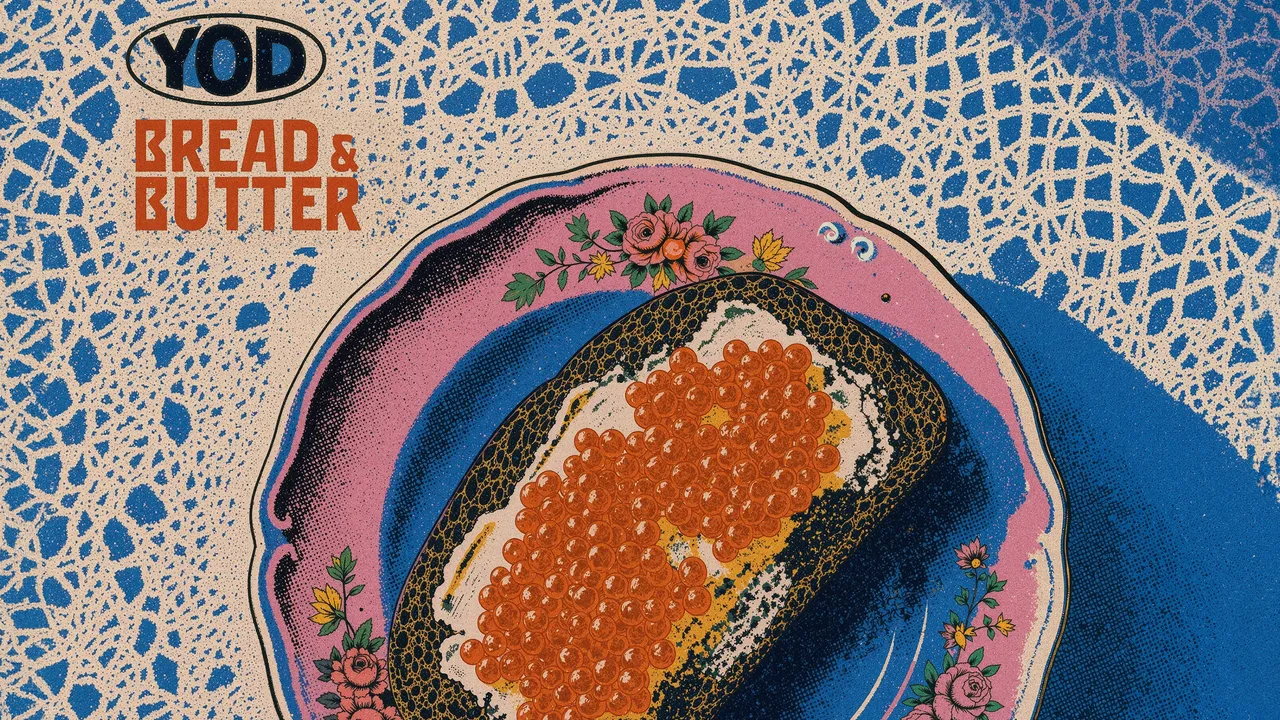
Droog takes time to savor his accomplishments while also dealing with years of repressed emotions. “Symphony” mulls over a period where he contemplated an early retirement before rebounding and being humbled by the overflowing of support. “Humble” isn’t a word that comes up often when describing Droog’s music, so when he says it and contentedly sighs “life is great” with no irony or vitriol, it’s disarming. “Therapy” chases this bright moment with a brief but potent emotional reckoning, set to producer Matt to the Future’s deteriorating violin loop; the pairing makes for a stark yin-yang moment. Bread & Butter’s title track is the only time when things decamp to the treacly, mostly because of how Cartunez’s syrupy beat drowns out Droog’s hazy memories of 9/11 and descriptions of a side chick who looks like Ronnie from The Player’s Club. The vibe isn’t as out-of-place as hearing Droog over the glossy Harry Fraud beats peppered throughout 2024’s Movie, but it’s distractingly saccharine compared to the rest.
He may be more emotionally mature now, but he still sounds most natural when he’s lyrically knuckling up. “Schadenfraude” and “I Don’t Care” are classic Droog in that regard—jumpshot after jumpshot of slick wordplay, boasts, and deep-cut pop-culture references. Babygrande Records’s notoriously shady business practices; Jamaican fried escovitch; Chicago Bulls owner Jerry Reinsdorf; a stray line from MF DOOM’s “Rhymes Like Dimes”: These are just some of the things flipped into bars. A few clunkers are par for the course for any volume shooter, and despite lines like, “I don’t smoke weed, but I hit the studio with four 20s,” on “Hunter Biden,” it’s fun to see Droog stretch cultural touchstones into different shapes.
Much of Bread & Butter was made with reverence for the path Droog’s taken, from his early days of mistaken identity to rhyming with Madlib on The Tonight Show. After surviving the indie-rap sea change from staunch ’90s revivalism to avant-garde minimalism, he’s grateful to be here after all this time, especially after he almost hung the mic up. Grappling with how the world has molded you, and how that manifests in life, in love, and in your day job, can be an awkward process. In the closing lines of “Therapy,” he compares his emotional displacement to that of Alex Murphy after he becomes RoboCop: “Look at my outfit, I’m too damn fly/Onstage, a samurai, but in life, who am I?” By digging further into his past without losing his inner rap cynic, he’s a few steps closer to finding the answer.

