
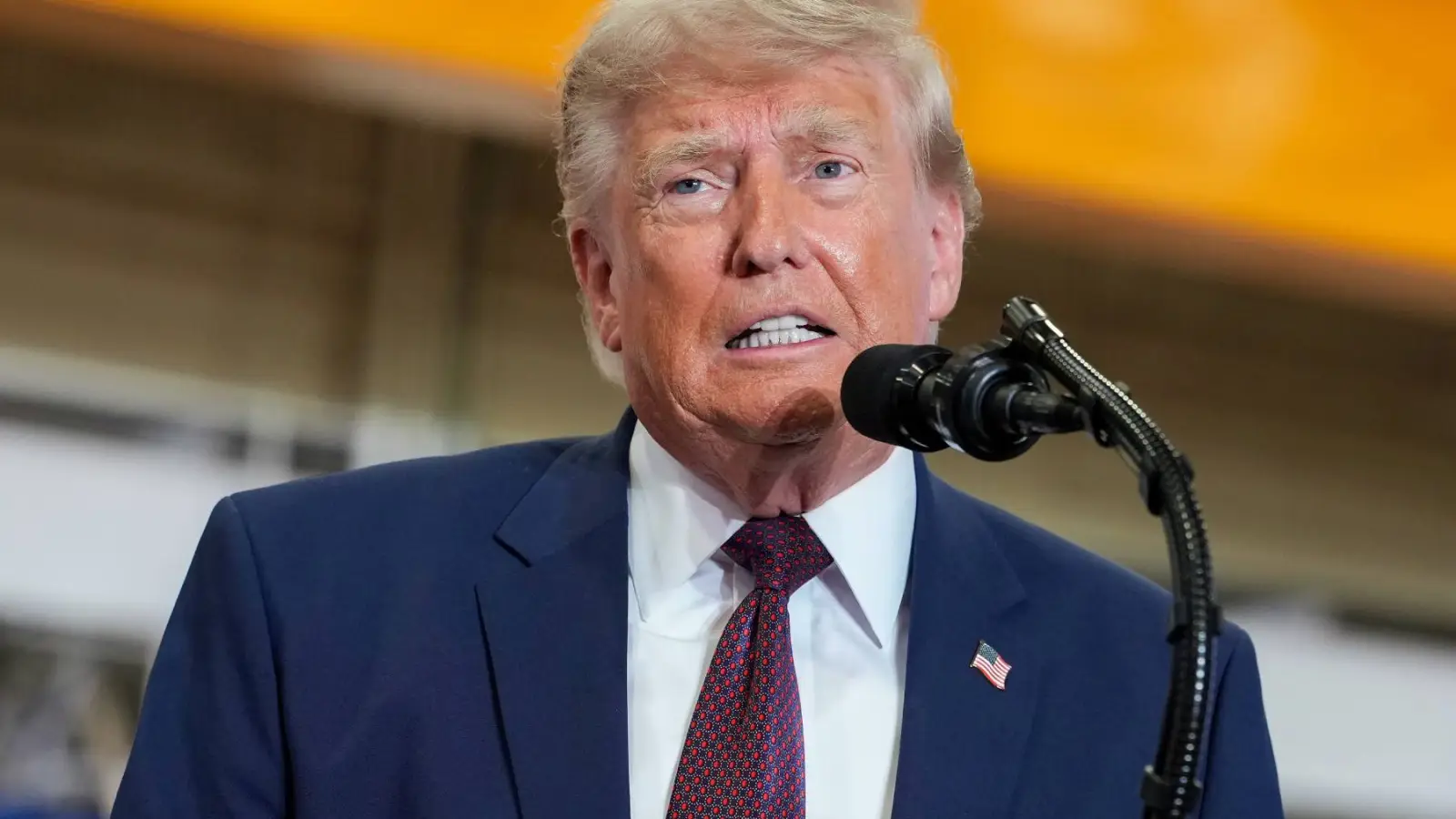
As Americans across the country struggle with the high costs of living and stagnant wages, Donald Trump has made a fortune since retaking the White House. The president has reportedly upped his net worth by billions in his second term, and nearly every member of his immediate family — and even some of his extended family — is also cashing in. Their financial portfolios have coincidently aligned with the goals of Trump's administration, which has green-lit deals and contracts with multiple companies that Trump family members have invested in.
This week, the Trump family once again came under heavy scrutiny as the president's financial disclosures revealed that in 2025 he made $2.2 billion — including $1.4 billion on crypto. The eye-watering number is more than he made across all four years of his first term combined. It's also over three times the $622 million he made in 2024 before returning to the White House.
The president brushed off concerns over his family's financial disclosures in an interview with CNBC's Joe Kernen at the Oval Office on Thursday. Trump bemoaned that his children have access to “insider information” due to his presidency and then bizarrely liked their women to buy a frosted pastry.
“I feel badly in a way for my kids … Anything they do, because the presidency is so powerful, so big … if they buy a cupcake company, well, the energy to make the cupcakes, is you know, sort of like, 'How's my energy policy?' So, therefore you have a conflict,” Trump reasoned.
The president added, “Almost anything they do, if they want to buy a truck … if they buy an energy efficient truck, they have insider information.”
Elsewhere in the conversation, Trump appeared to brush off accountability and said his son, Eric Trump, handles his financial dealings. “It's given to big firms … my son Eric handles it,” Trump said. “I don't talk to him about things such as this. I think I'd be allowed to, I'm not sure even what the status is, but I don't.”
The president said his son “gives it into these like semi-blind trusts or blind trusts where people invest.”
