
The purpose of Amy Winehouse – Rebel soula title which is the unfortunate Italian version of the original Reclaiming Amythe pop star's parents say it without mincing words in the space of a couple of minutes. They want to take back their daughter's memory. Mother Janis says that “you think you know my daughter, drugs, addiction, destructive relationships, but there was much more.” Dad Mitch remembers that “even today they tell me: you are an accomplice to the death of your daughter, you killed her.” The redemption of the phenomenon's family was served in the 50-minute documentary directed by Marina Parker and produced by the BBC in 2021. It was the tenth anniversary of his death, last night it was seen in Italian on Sky Arte on the occasion of the 15th anniversary and it is available on demand on Now. On the one hand it offers an intimate and homely portrait of the singer, removing her from the mythologization of the highness that has come to characterize her, on the other hand it contributes to fueling the cycle of hypotheses and counter-hypotheses on Amy's life which, 15 years after that July 23, 2011, can have an almost disturbing effect.
The narrative voice is that of the mother Janis Seaton, a 72-year-old lady, at least five years younger at the time of filming, with whom one cannot help but empathize. He gets emotional thinking about his daughter, he struggles down the stairs of the house where he lives in north London, and does rehabilitation in the living room with a therapist. She suffers from multiple sclerosis and her memories are no longer clear, it is best to record them on video in case they disappear. He shows the room he dedicated to his daughter's memorabilia. Second husband Richard Collins takes two pairs of Amy's shoes from a glass door. “These are Louboutins,” says the man, “they cost over £500.” We are distant from the glamorous existence touched by her daughter who is represented in the form of gold records and various mementos.
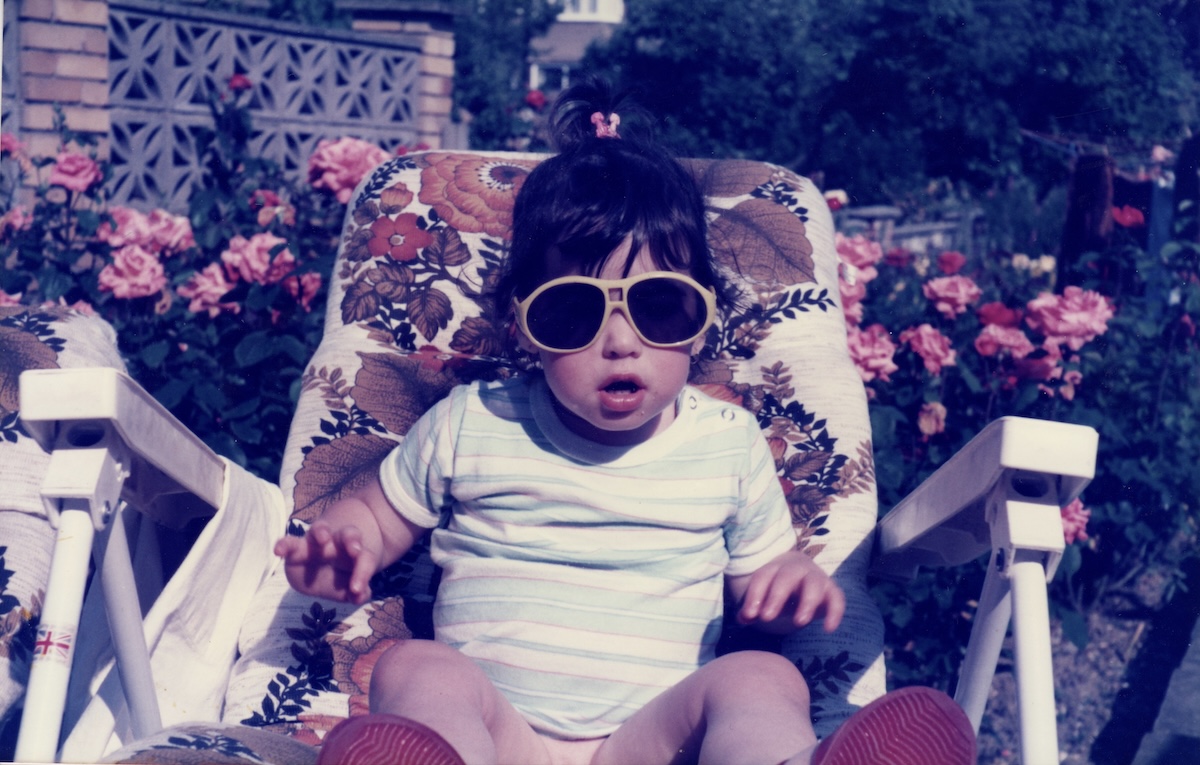
An image of little Amy Winehouse shown by her family in the documentary. Photo: Sky
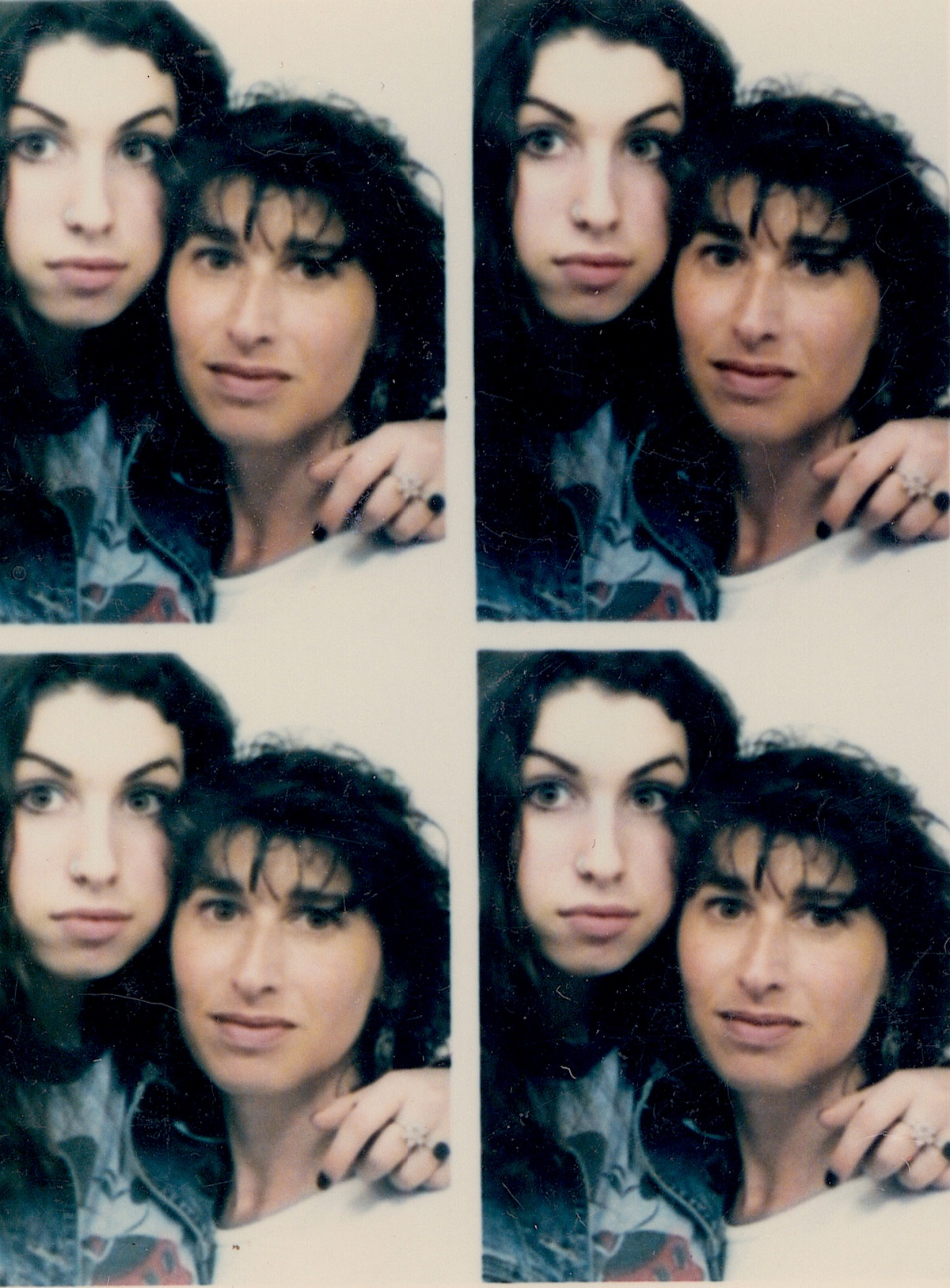
Amy and her mother Janis. Photo: Sky
Never trust an official documentary, much less one made post-mortem by the parents who, for goodness sake, have every right to defend themselves and tell their story, but cannot lay claim to objectivity, if a truly objective documentary has ever been produced in history. I say defend yourself because 11 years ago Amy by Asif Kapadia depicted the singer as a cross between Kurt Cobain and Marilyn Monroe, not only an artist too fragile for fame and therefore predestined for ruin, but also a girl exploited and left alone in the face of the voracity of the entertainment industry. Actually, worse. There was one particularly disturbing scene involving the father. Amy was trying to pull herself together by staying away from the media circus on the Caribbean island of St. Lucia. Regardless of his wishes, Mitch had invited the crew of the reality TV show he was starring in to film his daughter on the beach. No wonder the man says he had a nervous breakdown after seeing Kapadia's film.
Reclaiming Amy it is therefore the homely and decidedly more ordinary answer to Kapadia's Winehouse, which had much more visual and narrative firepower. Don't think, Janis says, that her daughter's problems were caused by an unhappy childhood. She grew up in a house full of love, adds her father, and here are old videos and photos, a well-documented life: in her mother's arms in hospital on 14 September 1983, smiling at 3 years old, with her friend from elementary school, with her friends. It's like entering the home of parents who, ten years after the death of their daughter, show you the family films and take out the old report cards, rereading the judgments on the little girl who loved to perform. Smiles and melancholy. We find the mother leaning on a stick in front of the tomb with the Star of David of her daughter and her mother-in-law Cynthia, who was so important for the singer, and then with her ex-husband in front of the house where Winehouse died. There is a recurring phrase, it is the mantra of the documentary: Amy was a smiling girl, she didn't become like that because she was raised badly.
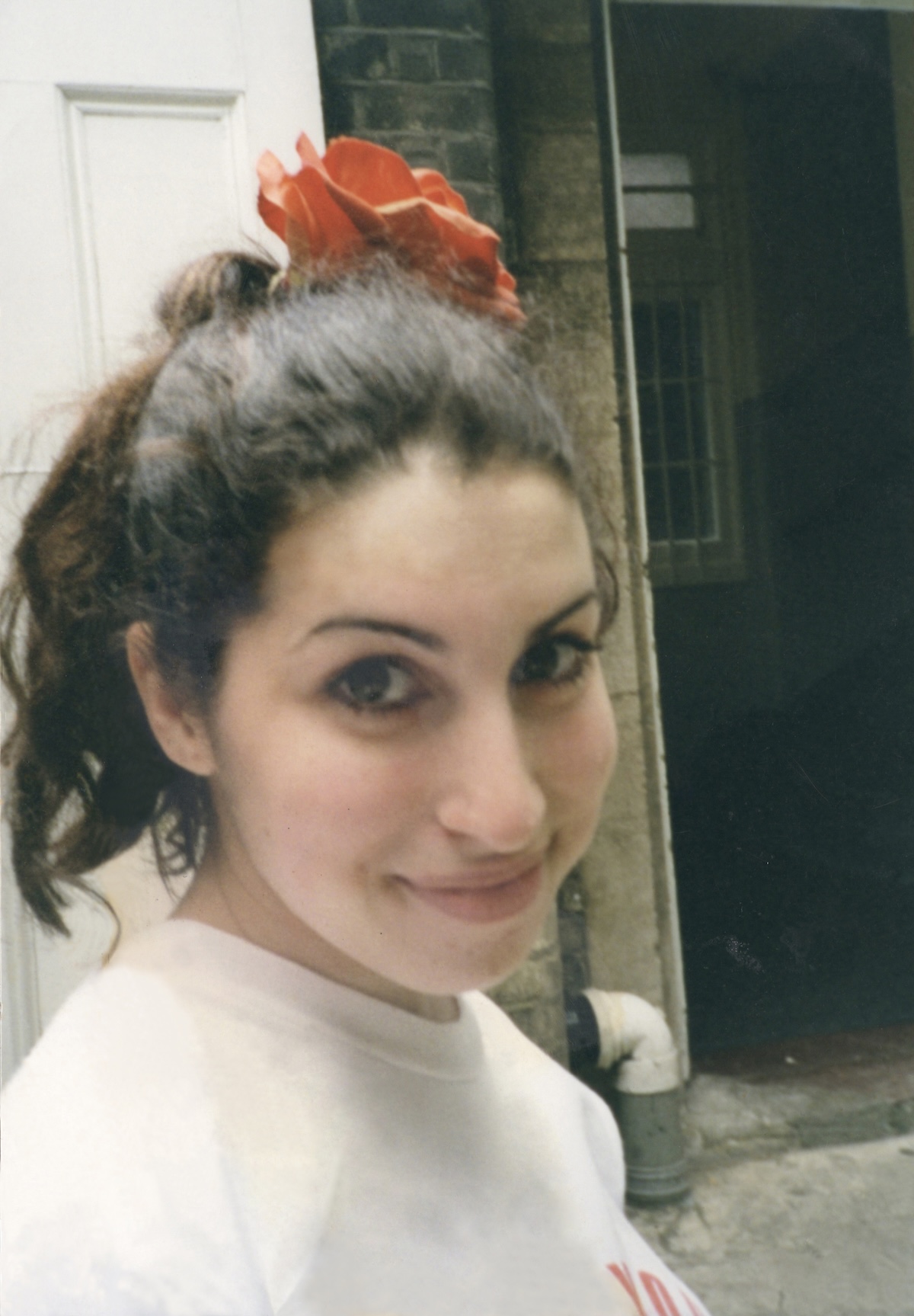
Photo: Sky
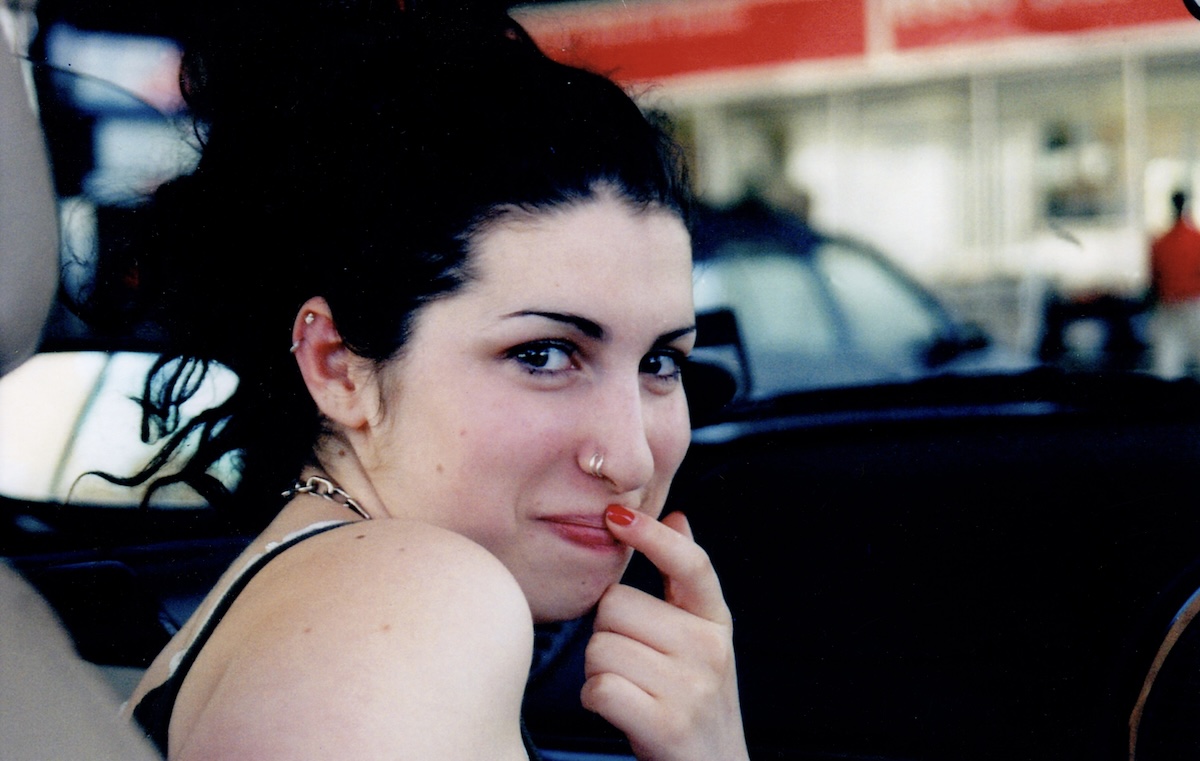
Photo: Sky
We don't really know what to feel when faced with the half-disclosure of one of the three friends called together by the mother to “let me know aspects of my daughter that I didn't know” and which ultimately serve to strengthen the parents' thesis: the danger was not inside the house, if anything it was outside. Her name is Catriona Gourlay and she talks about her “unique, indefinite” relationship with Amy with whom she lived. «We loved each other deeply. What I understood from knowing her was that she was confused about what it meant for her.” Gourlay goes further and says that «when there is something that remains undefined for years it becomes difficult and I believe that this is the key to understanding her and her difficulties. In an interview she said: “I'm not a lesbian until I drink four sambuches”. Maybe no one knows that there were other relationships in her life where someone really loved her and cared about her and would do anything to make her happy.” It is curious that such an intimate detail, used in contrast to toxic love with Blake Fielder-Civil, who is also here the villain unchallenged, if not revealed at least underlined in a documentary in which the family intends to protect their daughter's memory. And in fact when the story came out, five years ago, Winehouse's bisexuality became a matter of gossip again, as it had happened before she died.
In the end, in the documentary there is no answer to the question of why Winehouse essentially destroyed herself. Maybe it's a combination of things. Friends say that with the success of Back to Black “everything exploded”, the photographers who hounded her, the pressure of fame, those things. Grandma Cynthia's death was the event that caused the collapse. “My mother and I were very close and when Amy was sick she wasn't there to help or guide me,” says Mitch, who was already 60 and therefore decidedly mature at the time of his daughter's death. «This is why mistakes were made. The wise woman of the family was gone.” When he was ill, did he put pressure on you to continue performing? “It's not true,” the man replies. «I told her: you can't continue. But she kept going, you couldn't tell her what to do or not do. All these things about the manager forcing her are not true. No one was checking on Amy. She was in charge.” Catriona assures that “it couldn't have been more controlled than this”. The idea that goes around is that the family intervened many times to protect Winehouse, who stopped taking drugs after a year. Except that she changed her addiction: she turned to alcohol, which eventually killed her.

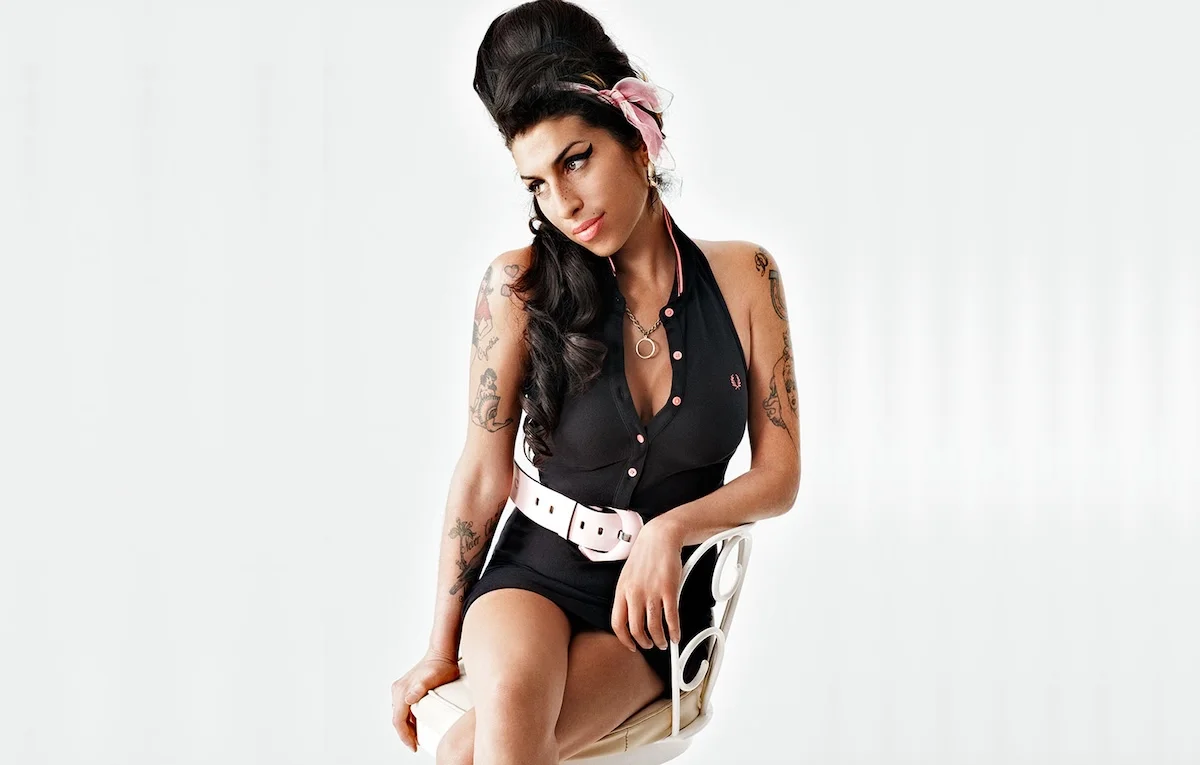
Winehouse wears Fred Perry's AW10 collection. Photo: Sky
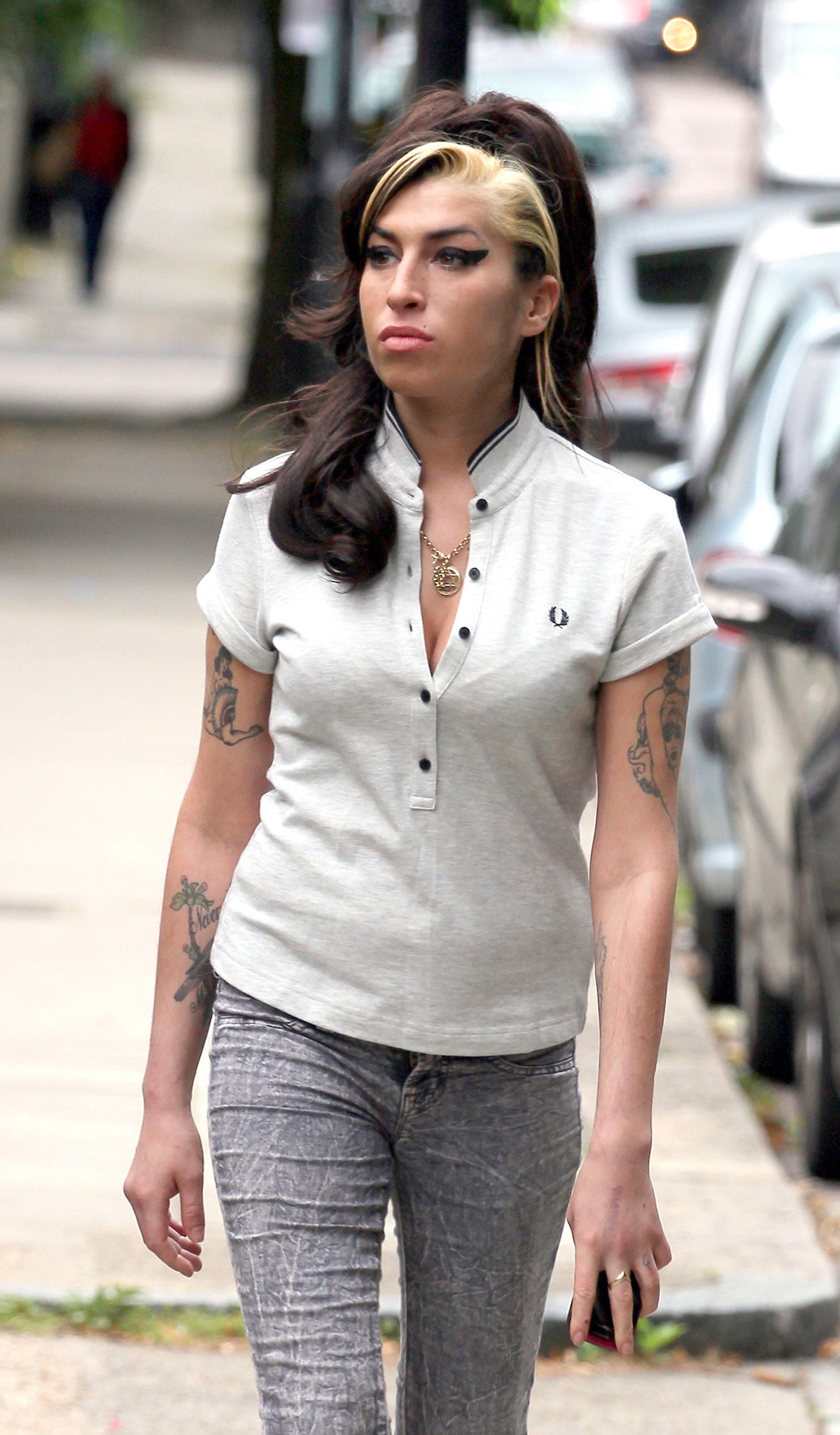
In Camden Town, London, in July 2011. Photo: Sky
Winehouse drank to feel normal, says friend Chantelle Dusette, and when she didn't drink she was anxious. She had always been bulimic, explains another friend and stylist Naomi Parry. «Back then they were still taboo topics», another mantra word of the doc. «The worse his health got» says his mother «the more my illness progressed. I couldn't help her.” Amy, Naomi says, “didn't want to admit that she had mental health problems” that underlay her alcoholism. He was prone to addiction. And therefore the only possible, however vague, answer to the question of why provided by the documentary lies in one of the fragments of Amy's interview that are filmed: «What is my greatest fear? What am I afraid of? About myself.”
To me Amy Winehouse – Rebel soul it didn't make me want to know more, but less. I know well that music documentaries serve to define and redefine public profiles, but in the long run the more or less intimate details, the portraits and counter-portraits, the revelations about private life, the accusations and counter-accusations, the loves, the moods and disagreements, the disputes over blame risk tearing Winehouse and fatally her music from the field of talent and imagination and bringing them into the decidedly more prosaic one of small human miseries. Isn't that too much?
There is a scene in the documentary in which Janis and Mitch say that after their daughter's death they collected her belongings in a warehouse. After many years they go to visit that archive and review the clothes, the photos, the things he had and which they intend to auction for charity. It was news just three months ago that a London High Court judge ruled against Mitch in the dispute against two of the friends who appear in the documentary. Naomi and Catriona had sold clothes and other personal items that the singer had given them, earning almost one and a half million dollars, 30% of which were paid to the Amy Winehouse Foundation, a charity that helps girls in difficulty established in memory of the singer and chaired by Mitch's second wife. According to the latter, the two took advantage of their daughter and sold those items without her knowledge. The judge stated that the man could not claim any rights to the objects given to his friends and added that Mitch Winehouse is “understandably sensitive” towards those who try to exploit his daughter's memory, but “he is equally sensitive in ensuring that the family continues to benefit financially”.
Perhaps the best tribute that can be paid to Amy Winehouse 15 years after her death is to hope that all this will end.