
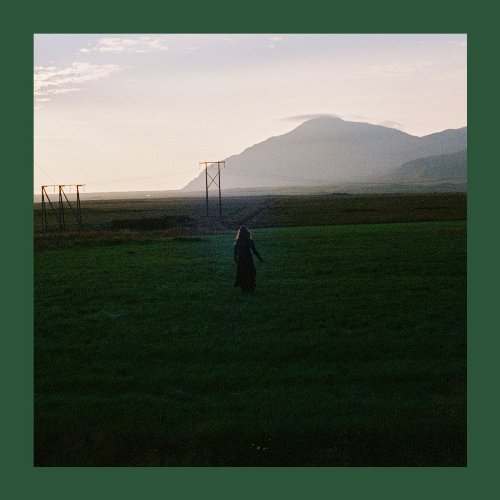
Listening to a record is a gesture that is becoming mechanical. The streaming era allows music to be the soundtrack of our days: a mental and physical exercise that is now habitual, by no means immune to boredom.
Finding myself listening to the new album by singer-songwriter Ásgeir Trausti Einarsson was casual and involuntary. The promise of Icelandic music has already played all its cards to emerge in the contemporary folk-pop cauldron. Not even calling on John Grant for the English lyrics undermined the pleasant predictability of his latest rehearsals, at times prey to routine. However, it only took a moment to be captured by the confident and poetic pace of “Smoke”: nothing new, but sincere and intense to the point of deserving a quick re-listening. Here the sound of the banjo shatters the typical structure of the song – guitar, piano, synth and drums – opening unexpected West Coast nuances that require attention. Something has changed in the career of the singer-songwriter from Reykjavík. For his new album, “Julia”, Ásgeir has renounced the evocative poems of his father Einar Georg Einarsson and the equally evocative lyrics of Júlíus Aðalsteinn Róbertsson, definitively emancipating himself in the role of singer-songwriter as well as protagonist of these ten songs.
Pedal steel, soft rhythms and the always courtly sound of the organ rest on sumptuous and melancholic ballads. What appears for a moment as a pleasant accident, or as the fruit of the last residues of inspiration, is the first chapter of a happy artistic renewal. The already proven synergy between gentle arrangements and the Bon Iver falsetto of the Icelandic singer-songwriter works much better this time. Ásgeir veers towards country with a grace typical of the late 70s (“Quiet Life”), without however giving up the icy and ethereal sounds of his early years (“Universe Beyond”). The pleasant exotic aromas of “Ferris Wheel”, the tasty use of a horn section that accompanies the sensual groove of “Against The Current” and the right amount of electronics that duet with guitars and xylophone in “Sugar Clouds” reveal a more spontaneous and expansive creative vision, reconciling the musician's already well-known poetic vulnerability with a more solid inspiration.
Ásgeir's definitive emancipation obviously also passes through the lyrics. Despite some uncertainty, they reveal a more spontaneous and expansive creative vision. An example of this is title track: a song that, with the sole aid of a delicate fingerpickinga veil of strings and the purity of the voice, is a candidate among the author's most intense tracks. Partly recorded live in the studio, “Julia” is the unexpected album of the Icelandic singer-songwriter's maturity. The bare plots of “Stranger” and “Into The Sun” certify their authenticity, but it is in the splendid folk-noir ballad with the electro-folk-pop pace of the Blue Nile of “In The Wee Hours” that all the magic of Ásgeir's new album becomes so palpable as to dispel the last doubts. A surprising return.
06/30/2026
Daniel D`Amico for SANREMO.FM