
Boundary’s music can feel like a dispatch from another time and place, if not another dimension entirely. Since he began releasing music as a teenager in the late 2010s, the Dominican artist born Josué Suero has displayed an uncanny feel for the sound and mood of vintage electronica. Some of his records channel the plangent synths and knotty drum programming of early Aphex Twin, while others recall the blippy, minimalist house once championed by labels like Spectral Sound and Force Trax. Encountering one of his recordings—many of which exist only digitally on Bandcamp—without any further context, it would be easy to wonder if it was a lost relic of the late 1990s or early 2000s, created by some bedroom producer squirreled away in a remote village in Cornwall or the Black Forest. What saves Boundary’s music from appearing overly retro is its idiosyncrasy; much like the artists that have inspired him, Suero comes off like an autodidact discovering hidden technological secrets and twisting diverse strands of the electronic canon to his own ends.
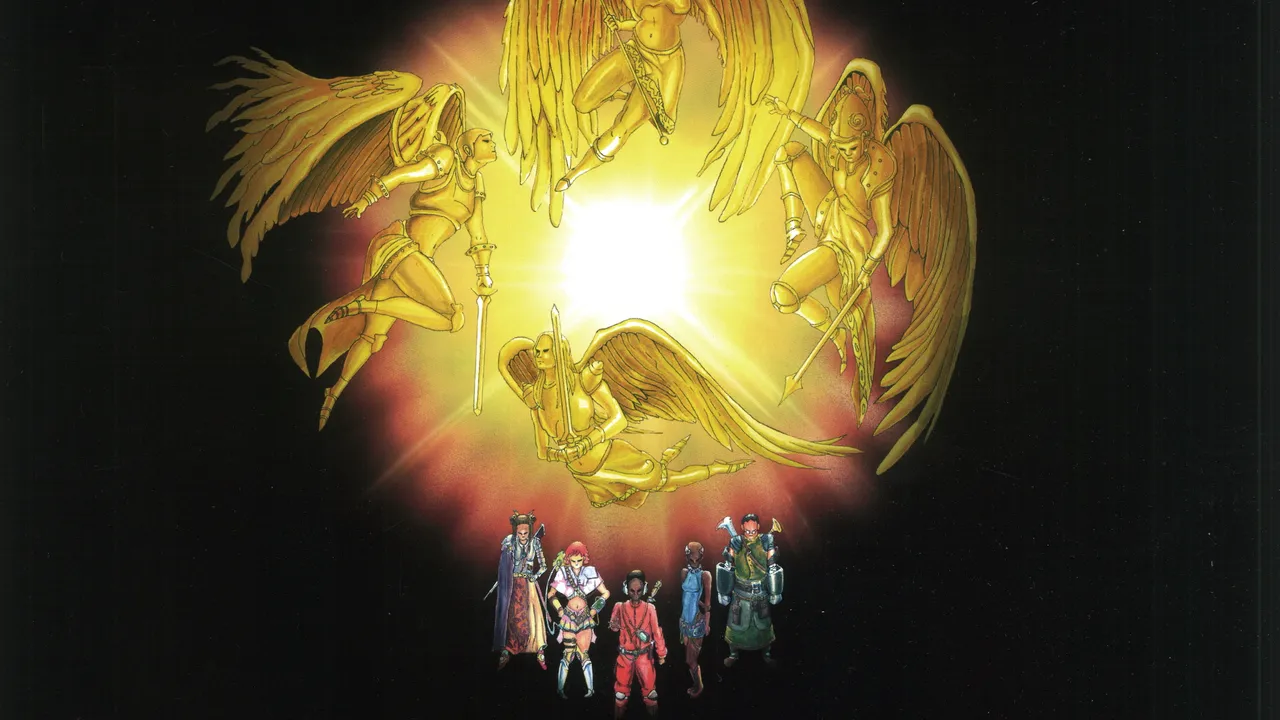
Boundary’s work benefits from its sense of purpose; he’s fond of applying loose concepts that help guide the shape of his songs. The glassy microhouse of 2024’s ³com EP was presented as “a small ode to browsing early 2010s internet in the Dominican Republic”; 2020’s Al Tiempo Real riffed on shortwave radio, symbolically putting the power of expression back in the listener’s hands. Proxima Centauri is constructed around Suero’s most elaborate concept yet: a mysterious message beamed from the star Alpha Centauri that offers its receivers the power of “tapping into unknown possibilities in our reality,” allowing them to reshape the world according to their vision.
No score yet, be the first to add.
To suit the RPG-like premise, the album’s palette often evokes the brittle sonics of vintage video games. “Title Screen” opens the record with a scene-setting sketch for icy synths whose wandering chords and streaks of dissonance convey a feeling of solemn mystery, as though announcing the beginning of a great quest. From there, he zeroes in on more rhythmic territory, each track playing out like a journey in miniature. “Quién Nos Podrá Salvar de Esta” could almost pass for Boards of Canada at first, as pitch-warped synths drape woozily over a slow-motion breakbeat, until jazzy, rolling drums pick up the tempo and brighten the colors. “Eclipse V” begins as laid-back downbeat house but gathers steam as it goes, twinkling counterpoints filling the empty space above its boom-ticking drum beat. And in the tumbling “Hidden Resonance,” abstracted chirps and rushing 909 snares lay the foundation for increasingly ornate, almost architectural forms built out of interlocking arpeggios and glistening pads.