There are many other ways to make a guitar sing besides plucking and strumming, and Roth has access to more of them than most guitarists: scraping, sliding, tapping, wiggling, in all manner of combinations. He uses these techniques for structural delineation and painterly suggestion; a switch from one to another might come at roughly the same juncture where another player would kick on the reverb or distortion. There’s a moment toward the end of “Waiting” when grayscale staccato tones suddenly give way to funhouse-mirror visions of wobbly, borderless color—a passage that would be impressive in a free-improv set and is positively joyous in the context of a song about frustrated stasis. By tethering the radicalism of his playing to forms that most listeners can grasp intuitively, he heightens its effect.
Roth’s approach involves close attention to sounds that a more traditional player would think of as incidental or even undesirable, like the whisper of a fingertip brushing a string on its way to someplace else. In the first section of “Siren,” he builds a composition from the buzz that can result from a tentative fretting hand, not quite depressing the strings fully but not releasing them either. First the pure version of a chord, then its ragged echo. Roth shapes these sounds with expert dexterity, drawing out subtle rhythms and universes of tonal gradation. Sometimes, his playing has a meditative quality, asking you to sit with the full tactile experience of one note at a time. But just as often, he’s in bloody-fingers territory. “Hometown Heroes,” with its furiously kinetic string bends and natural harmonics flying like sparks from an anvil, reminds me of Isaac Brock going postal on one of Modest Mouse’s early records.
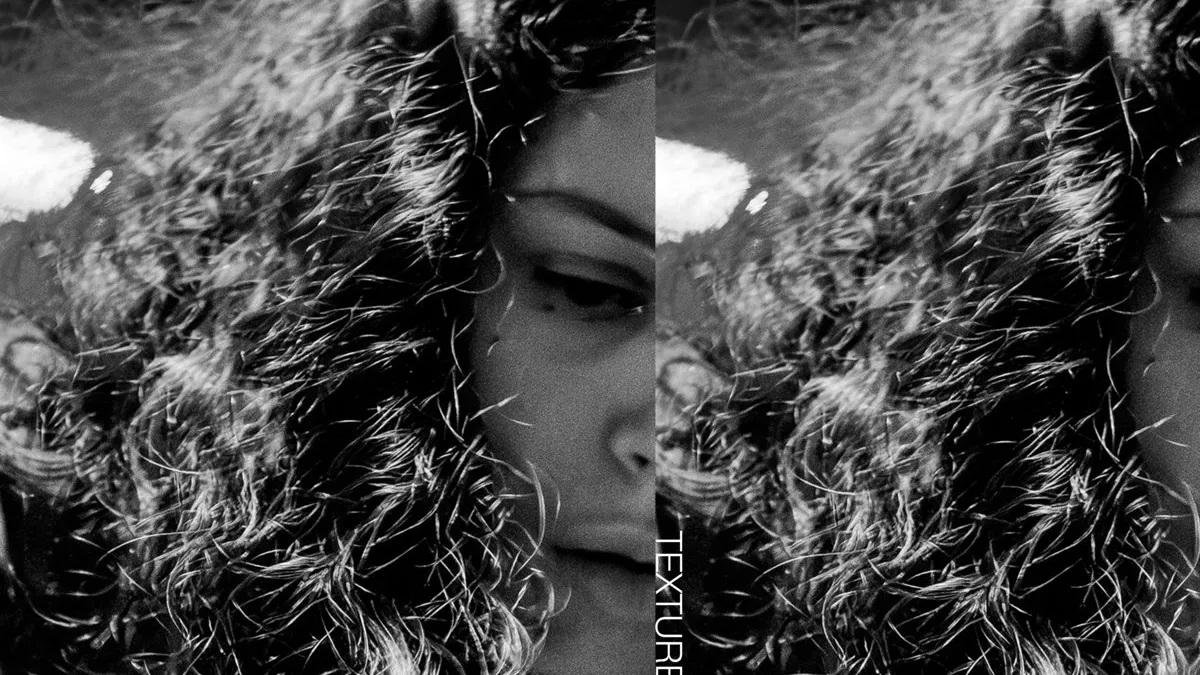
Texture Songs, like watergh0st songs, is presented in vérité starkness, a document of live-in-the-studio solo performances with no overdubs or production as such. Roth’s breaths, like the sounds of his hands on the strings, are as much a part of the music as his melodies. He begins each line of “Gun” with a few clearly enunciated words, then backs off from the mic and allows his voice to dissipate, as if it has escaped him. “Yellow bruise I put my thumb in,” goes the first one, then some muttering and whispering that’s hard to make out. I painted another shell? I can’t do another show? The gesture expresses ambiguity beyond language: exhaustion and refusal, but also the warm breeze of a secret in your ear. Roth has said, poignantly, that the words are meant to “decorate the border of a song’s emotion without dictating it.” The ones that pop out and stick with you often involve an unabashedness of feeling that you don’t always get from the sorts of artists who are awarded Roulette residencies: “I’m looking out in the distance and it’s a beautiful day”; “I just can’t seem to quite get myself out the front door”; “I love you so much.”
Daniel D`Amico for SANREMO.FM