
When Paramore released their debut album, only a single member of the Linda Lindas had been born. Hayley Williams and most of her bandmates were teens when they made Paramore’s 2005 debut, and just into their mid-20s when, a couple albums later, they first worked with engineer Carlos de la Garza. By the time de la Garza returned to produce Paramore’s sixth record, he had teenage daughters of his own: Lucia and Mila, who—along with their cousin Eloise Wong and family friend Bela Salazar—had already formed the Linda Lindas, survived a viral moment, and released a formidable debut album—and gotten to work on a second.
In a full-circle moment, the Paramore frontperson appears on the Linda Lindas’ third LP, GOTTA GET OUT, on a collaboration called “Closer.” Most of the L.A. quartet’s members had graduated high school when they began to work on the record—but still, Williams told them, the song they wrote together reminded her of her adolescent self. Maybe it was because they’d followed a day in the studio with a trip to Universal Studios’ Halloween Horror Nights; perhaps the song’s surge of coming-of-age insecurity and suffocating dread echoed the material Williams wrote all those years ago. Whatever it was, it steered “Closer” in a heavier direction, with a sound that dipped back into Paramore’s emo beginnings.
No score yet, be the first to add.
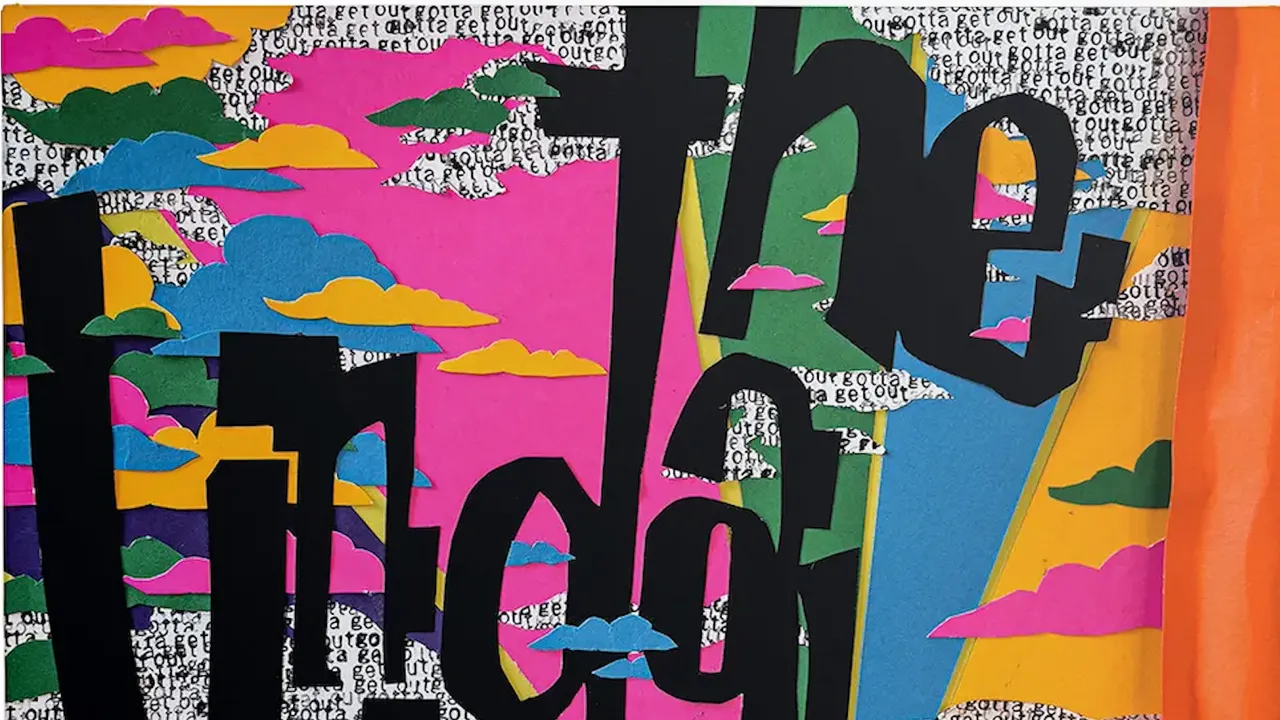
Aligning with its all-caps title, GOTTA GET OUT—the Linda Lindas’ major-label debut—undeniably sounds bigger and weightier, piling up vocal layers, distorted guitars, and, for the first time, synths. But the Linda Lindas’ approach to leveling up is as much about diversification as maximalism, interspersing their supercharged pop-punk with virulent hardcore, jittery post-punk, and wistful new wave. It scans as a more truthful representation of a band that’s had as much fun covering Sleater-Kinney and Paramore as Talking Heads and the Go-Go’s.
GOTTA GET OUT is the first album the Linda Lindas wrote collectively in the same space, crafting their songs during a phoneless retreat. Instead of resulting in a homogenized style, this approach created room for their diverging interests. Wong’s engagement with hardcore propels “Blood on Our Hands” and “Break.” The group spent their last tour pulling pranks with Green Day, but the record’s opening title track, with its introductory synth arpeggio, sounds more like their not-so-secret new-wave side project; even “Okay,” which nods to the straight-laced punk of their tourmates’ early days, playfully traces an optimistic melody on keyboard. Though frequently stormy, the record also expands the band’s palette in subtle and vulnerable ways: “I Could Be Wrong” accentuates its mounting paranoia with punched-up reverb and a twitchy groove; there’s also the dreamy, melancholic “Everybody Told Me” and the candlelit ballad “See You Next Time.”
Anxiety courses through the record. On “Burning Out,” they sing, “I’m burning out/It’s too late now”; on “Nothing Left,” they bemoan “all you tech and oil men” who “profit at our lives’ expense.” The album’s overarching theme of paralyzing burnout comes through on the bridge of “Closer,” which Williams helped write: “I’m breathing in, and choking on lost time/I’m breaking down, and hoping for a sign/Fading fast, and watching it slip by.” The lyrics capture a depth of regret that may seem beyond the band’s years, but the members of the Lindas Lindas are part of a generation facing quarterlife crises way before that literal benchmark. Anyone who remembers spending the summer after high school graduation scratching the itch to escape might relate to these feelings, but there’s an added weight to the restlessness when the feeling of the world passing you by mingles with the certainty that it’s hurtling towards collapse—when natural post-adolescent catastrophizing bears closer resemblance to everyday reality. But if ever it’s starting to feel “too quiet in this mess,” as they sing on the title track, the Linda Lindas are going to keep making more righteously bewildered, larger-than-life noise.