
Twenty-five studio albums, a string of platinum records and over 30 million copies sold in Europe: Chris Rea has never needed much introduction. Who passed away in December 2025 at the age of 74, the British guitarist and singer-songwriter climbed the charts thanks to a cultured and elegant mix of pop, rock, blues and funky-disco. Precisely this transversal formula, however, has weighed on the judgment of critics. Hailed in his early days as one of the purest promises of English music, Rea was often snubbed by the specialized press, accused by purists of having sold out his art to commercial success. An ungenerous prejudice for a shy artist far from rock star excesses, capable of even refusing astronomical sums in order not to compromise with a record of forced duets. Chris Rea, on the other hand, was a formidable craftsman of that middle territory that unites pop with the noblest rock, moving with the same authority as Elton John or contemporary Dire Straits.
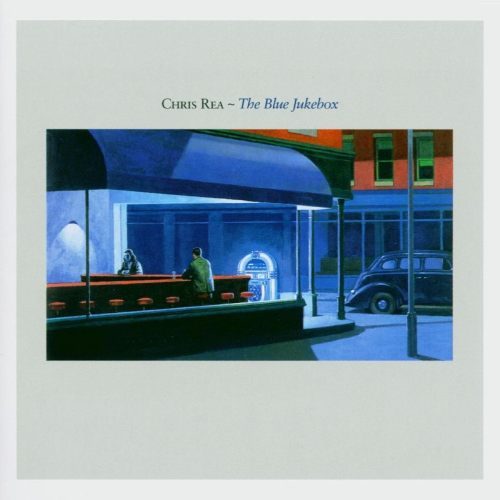
A thoroughbred composer and arranger, Rea made the definitive turning point in his career by founding the independent label Jazzee Blue: a creative laboratory born to free itself from the constraints of the major labels and finally embrace its true rock-blues soul. In 2005, after a hard fight against pancreatic cancer, he published “Blue Guitars”: a monumental project of eleven CDs and a DVD that paid homage to the history of the blues. The album “The Blue Jukebox” anticipated its guidelines a year earlier, undoubtedly one of his best works, now finally re-released on vinyl.
In these thirteen songs the blues is the absolute sovereign. Rea's pleasantly raspy voice, the masterful touch of the slide guitar and the enveloping sound of the sax blend with a solid rhythm section, enriched by incursions of piano and harmonica. The album doesn't sound like a timid whim: Rea filters masters like Muddy Waters, Robert Johnson, Eric Clapton and JJ Cale with extraordinary personality. An example of this is the elegant twilight jazz-blues of “Long Is The Time, Hard Is The Road” (which looks to the early Tom Waits) and the lilting delta-blues of “Let's Do It”.
The instrumental mastery and the caliber of the writing elevate every single episode: from the noir melancholy of “Let It Roll” to the desert-blues nuances of “Baby Don't Cry”, up to the overwhelming New Orleans-style boogie of “Speed”. Even when the sounds become more intimate and romantic, as in “What Kind Of Love Is This”, Rea avoids any rhetoric. He juggles the hypnotic atmospheres à la JJ Cale in “Somebody Say Amen”, transforms into a crooner from a smoky disreputable club in “Steel River Blues”, he intercepts modal jazz in the poignant “Monday Morning” and rediscovers the viscerality of gospel-soul in “Restless Soul”.
“The Blue Jukebox” makes up a surprising mosaic, especially for those who had hastily labeled Rea as a simple author of summer hits like “Josephine” or “On The Beach” – still excellent songs. The solidity and maturity of this album today require a definitive and deserved re-evaluation of its artistic depth.
07/17/2026
Daniel D`Amico for SANREMO.FM
