
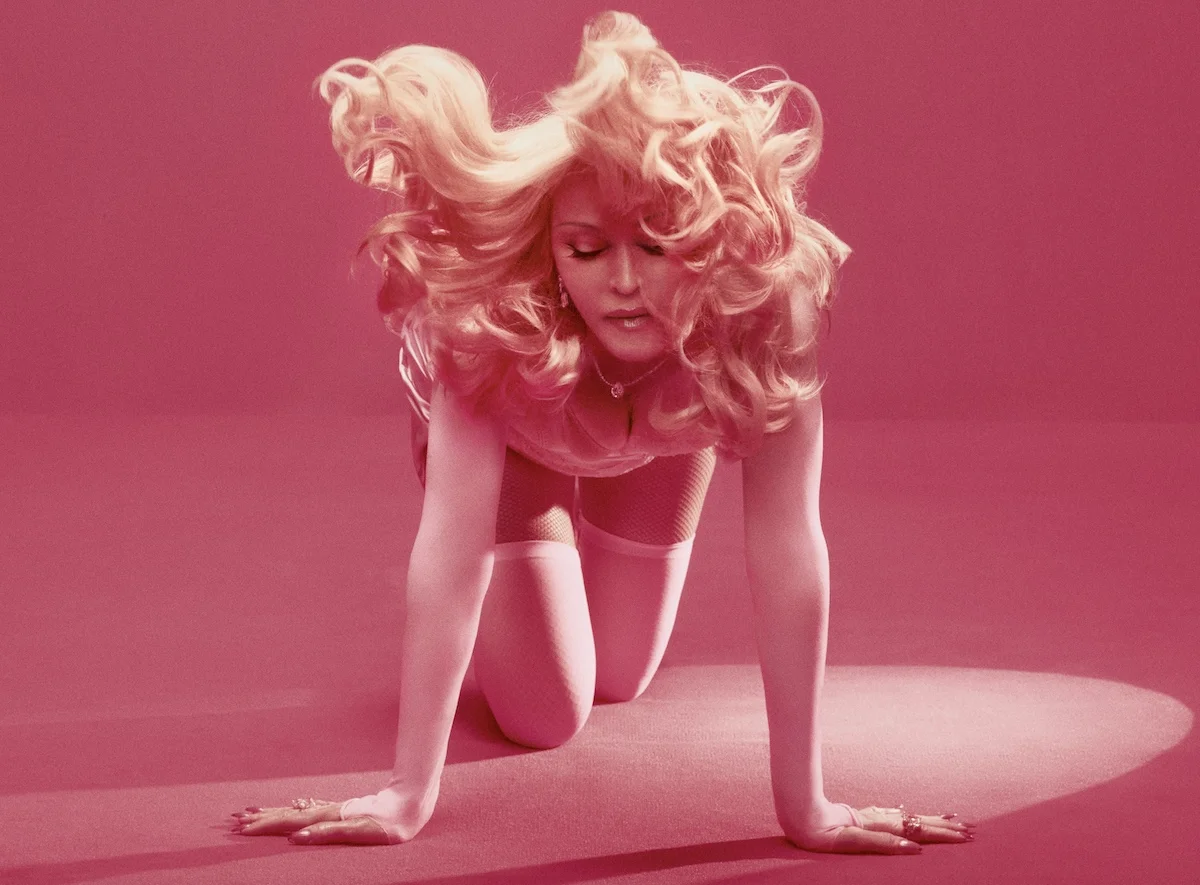
Madonna is back, and it would already be an event. Because unlike many experts who always struggle to understand how much his figure has shaped the pop culture of the world we inhabit (and who inhabit), only to then be mega reactive in judging the fillers, here we understand the importance of this event very well. As we understand very well that, after a life like this, it's a bit as if a new album were a sort of miracle. There is nothing owed after 40 years in the game, but also after much less.
So I wouldn't have been too harsh even if this album hadn't been good, a bit like you do with Christmas presents that you end up with anyway. Luckily here, however, I don't have to convince myself.
Revisit one of the records that defined the pop of the early 2000s, Confessions on a Dancefloor in 2005, it was an ambitious operation. Also useful, but we'll get there. Let's talk about his most successful album of this century, a sequence of unrepeatable moments. ABBA, that aesthetic imagery of a dance class. The typical album that, as young people on TikTok say, deserves a 10/10, with singles that climb the charts and videos that still remember them thirty years later. Dance but with a very strong pop soul, songs that you could dance to in the disco but also hear your mother humming in the car.
Well, today that the second chapter is being released, let's call it that, we immediately see that there is one thing in common with the first even before we have heard everything: for the launch of Confessions II there was a marketing operation like it used to be, giant. Madge is back with Warner, and for this new album things had to be done properly. That 15-minute short film released a few weeks ago screams budget, and then the newspaper covers, the performance in Times Square, the record you can buy in a limited edition on Grindr and so on. Create anticipation: done.
But what is this like in sound Confessions II? Not an attempt to replicate the first, rather a way to show us that Madonna, when she feels like it, can still make us dance. In this case, then, the tracks are mixed one after the other to create a long DJ set that is sometimes house, sometimes EDM, sometimes simply melancholic.
Anyone who has heard the first previews in the video will have already understood the atmosphere very well. As someone said, in miserable times Madonna comes back and makes you dance. «When Stuart Price and I started working on this album, this was our manifesto: “We must dance, celebrate, and pray with our bodies“”. Intentions respected. Pressing play on this album means entering what Americans call “at the moment“You're in a club, and this is the mixtape of your hard-earned night.
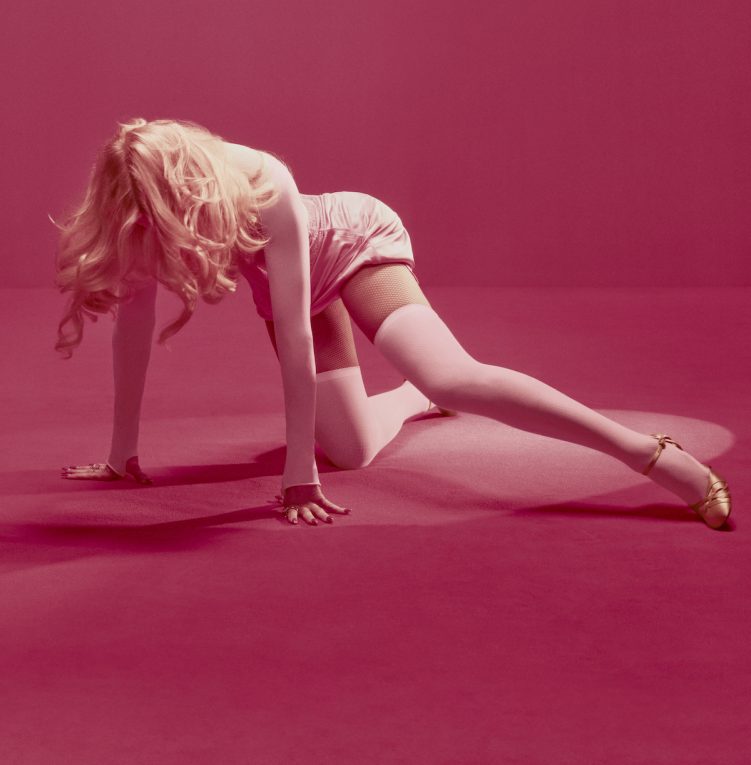
Photo: press/Warner Music
From a sound point of view Confessions II he therefore chooses a different path from his predecessor. If in 2005 disco was the starting point for turning towards pop, here it is the soul. And more than chasing the refrain that sticks in your head upon first listening, the album focuses on hypnosis, on keeping you in a condition that we could define as almost experiential. «Everyone here is a work of art», he sings in Danceteriaone of the strongest on first listen, a tribute to the NY scene that welcomed her at the end of the 70s. Perhaps the album's true autobiography. The title refers to the New York club where Madonna worked in the wardrobe and where DJ Mark Kamins stopped by for the first time Everybody.
Other pounding pieces follow as Everythingin which she sings almost angrily «Okay, I don't fuck with it», followed by Love Sensationlittle sister of Bring Your Lovewhere on a house-disco basis Madonna reminds us why the club, before being a place of confession of the soul, is a place to feel alive.
Confessions II it's a record that works best when listened to from start to finish. There are tracks that stand out, but overall the mood is very similar for almost the entire duration. And shouts: we are on the track, we are all the same, let yourself go, the music is good for the soul. There's no search for the single for the radio, though Bring Your Love (feat. Sabrina Carpenter) comes very close to that concept, because here the album as a whole is the product to be consumed. Far from the logic of songs that can perform well individually, because we are not in a historical period in which it happens that a woman over 50 goes high in the stream rankings.
So no, I don't think there will be a new one Sorry and not even a new one Hung Upto return to the previous discussion. It would also be very risky to think that things could repeat themselves in that way. But amen. Because this is a real record.
Lots of house, we were saying, and in the second part the mood changes and we find ourselves faced with much more intimate pieces. The duet with Stromae, which begins with a part spoken in French (and is immediately «Je suis désolée»), recalls a Madonna from the past, then there is the song dedicated to her brother who passed away not too long ago, Fragilein which he sings that people don't really die but become energy (I really hope so), until Betrayalwhich arrives unexpectedly amidst all that club scene, and utters a very powerful phrase that speaks of childhood pain: “You will never take my mother's place.” In The Testhowever, sung with his daughter Lourdes, the narration is in reverse: «You didn't ask for all those lights, I didn't think about how much it could disturb or how much it could hurt».
In short, the Queen of Pop is back, and she wants to both dance and take stock of her life and career. But he does it in a vital, not nostalgic way. A bit like he did with the Celebration Tour. And if we no longer have a biopic about his life, at least we still have the songs. Then of course, some might also say that taking up one of his most famous and successful eras was a smart move, as well as an ambitious one. But isn't this also knowing how to do your job well?
Daniel D`Amico for SANREMO.FM