
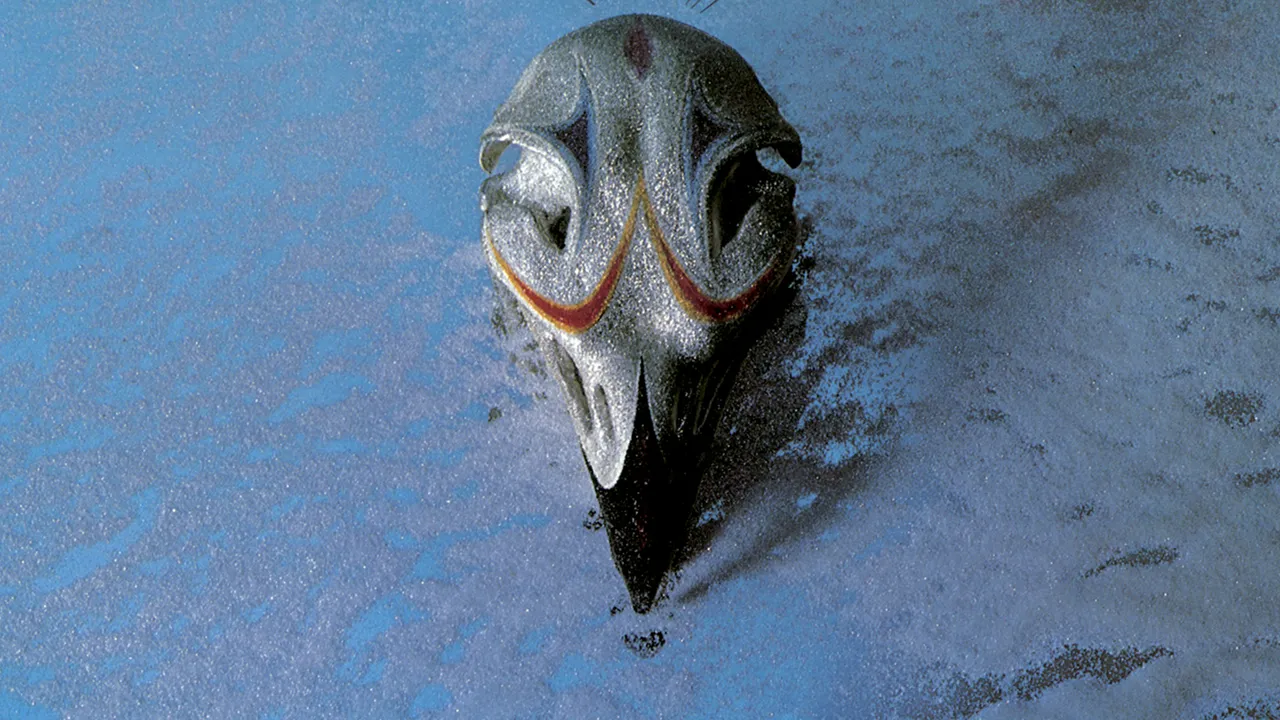
This helps explain the potency of Their Greatest Hits, too. Heard beginning to end, the first four Eagles albums are suffer-fests, capturing the band as they learn not only to write but also to tell bad from good. They released four albums, or 40 songs, in their first three years, and the great majority of them simply fill space. “Most of Us Are Sad,” “Early Bird,” “My Man,” “After the Thrill Is Gone”: Henley and Frey loved to talk about their quality control, how hard they worked to find le mot juste, but I’ve never heard those records as much more than real-time chronicles of success and failure, the sound of a band still figuring out how to not suck.
Henley hated the idea of a greatest hits collection, because he claimed it was “the forced and hideous marriage of art and commerce,” ostensibly back when he claimed to care about that first part. He failed to understand, though, that Their Greatest Hits stripped away the misfires of the Eagles’ actual albums, leaving only 10 of the best songs they would ever write, that have ever been written in the realm of folk-rock. Their Greatest Hits is the only no-skips set in the catalog of a band that sometimes seemed to specialize in the skips. Put another way, I will always own a copy of Their Greatest Hits; I would not take copies of the first four Eagles albums from a free bin, Desperado debatably excepted.
In March 2026, writing about the golden anniversary of Their Greatest Hits, the BBC asked British music journalist Peter Doggett why these 10 songs sold so well. He said, “It’s very melodic, very professional and doesn’t actually mean anything.” This is a well-earned insult for a band who once insisted that “On the Border”—a song about being annoyed at a traffic cop—was some profound political statement.
Still, these are not songs about nothing. Nine of the 10 tracks on Their Greatest Hits—with the lone exception of “Witchy Woman,” Henley’s bout of strong-woman paranoia—are about wanting something you do not have and the anguish you can endure to get it. “Take It Easy” is often taken at face value. Frey, though, is a worried man here, singing for his salvation, trying to find that one lover who will fix him. Listen for Leadon’s simple but brilliant banjo line, which begins as he takes his guitar solo and does not disappear until the track is done; it’s the sound of anxiety and self-doubt, of trying to loosen your load, not of simple contentment. The title and chorus of “Peaceful Easy Feeling” are, likewise, feints; this lust sure feels nice, but Frey understands that it will likely end in another rejection. That’s OK, because he’s already too low to be let down again.
Then there are the affair-and-breakup songs, tunes where someone is searching for something better, like young musicians heading west to get famous. “Lyin’ Eyes” sounds dreamy but reads cruelly, chronicling a kept woman who prowls each night to the “cheating side of town” only to come back home and deplore the person she reckons she must have always been. No one in this love triangle is happy or satisfied. The same goes for “Tequila Sunrise,” a brutal song about betrayal and trying to fill your own permanent emotional void no matter who you hurt in the process. “Dealin’ friends,” as Frey sings, may feel awful, but does it really matter when the upshot feels better?
Daniel D`Amico for SANREMO.FM