
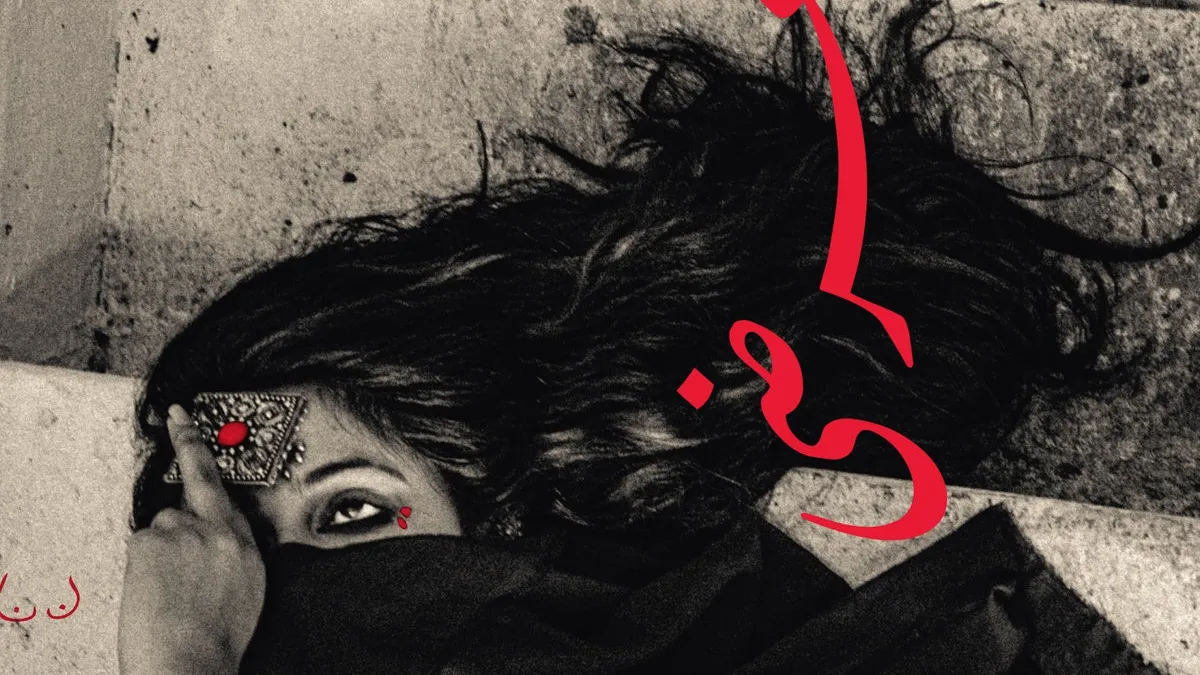
Sheherazaad’s haunted, prickly folk music feels like a dispatch from someone who is wide awake at 4 a.m., pacing the halls, talking out loud to herself. A singer-songwriter who lives between Brooklyn and Delhi, she makes music about strange and solitary women. Each song on her 2024 EP Qasr was a study of a “mad woman,” and her debut album, Khudgarzi, is a tribute to women the world deems selfish: calculating schemers, murderers, solitary travelers who escape into the desert. Across most cultures, women are valued most when they exist in the service of others, so these kinds of characters are often dismissed or forgotten. But Sheherazaad tells their stories with a level of nuance, fervor, and self-possession that leaves you hungry to know more. Using instruments from Hindustani, Turkish, Arabic, and Carnatic musical traditions, she imbues folk music with mystery and intensity, rather than earthy familiarity. These songs evoke the theatrical pop vocal performances of Lingua Ignota, the eeriness of the soundtrack of Bollywood horror film Mahal, and the heady philosophizing of Joanna Newsom.
The women in these songs don’t shy away from using violencing to achieve their goals, namely their freedom. Against the ominous upright bass and sweeping violin of “Gulukara,” a song written from the perspective of a sex worker, the protagonist encourages other women to make as much money as possible, to “run your sharp nails down the slant of his back,” and to “wring all their necks with the sound of your soul.” The aggression is warranted: Sheherazaad recounts the mistreatment of women past, the physical violence they endure and the exploitation of their labor. “Qatil” is a song about a woman justifying “every crime of mine, every prey” to the listener, and maybe to herself. The song is a snapshot of her whirring mind in a moment of distress, and disparate vocal performances relay a multiplicity of selves: Sheherazaad’s ghostly falsetto ruminates on the way the character is seen as a murderer while Indian rapper Irfana delivers smooth, honeyed bars about feeling limited and cornered throughout her life. The song’s central character is neither hero nor angel nor perfect victim, but a fully fleshed-out person capable of both feeling and inflicting pain.
No score yet, be the first to add.
Daniel D`Amico for SANREMO.FM