
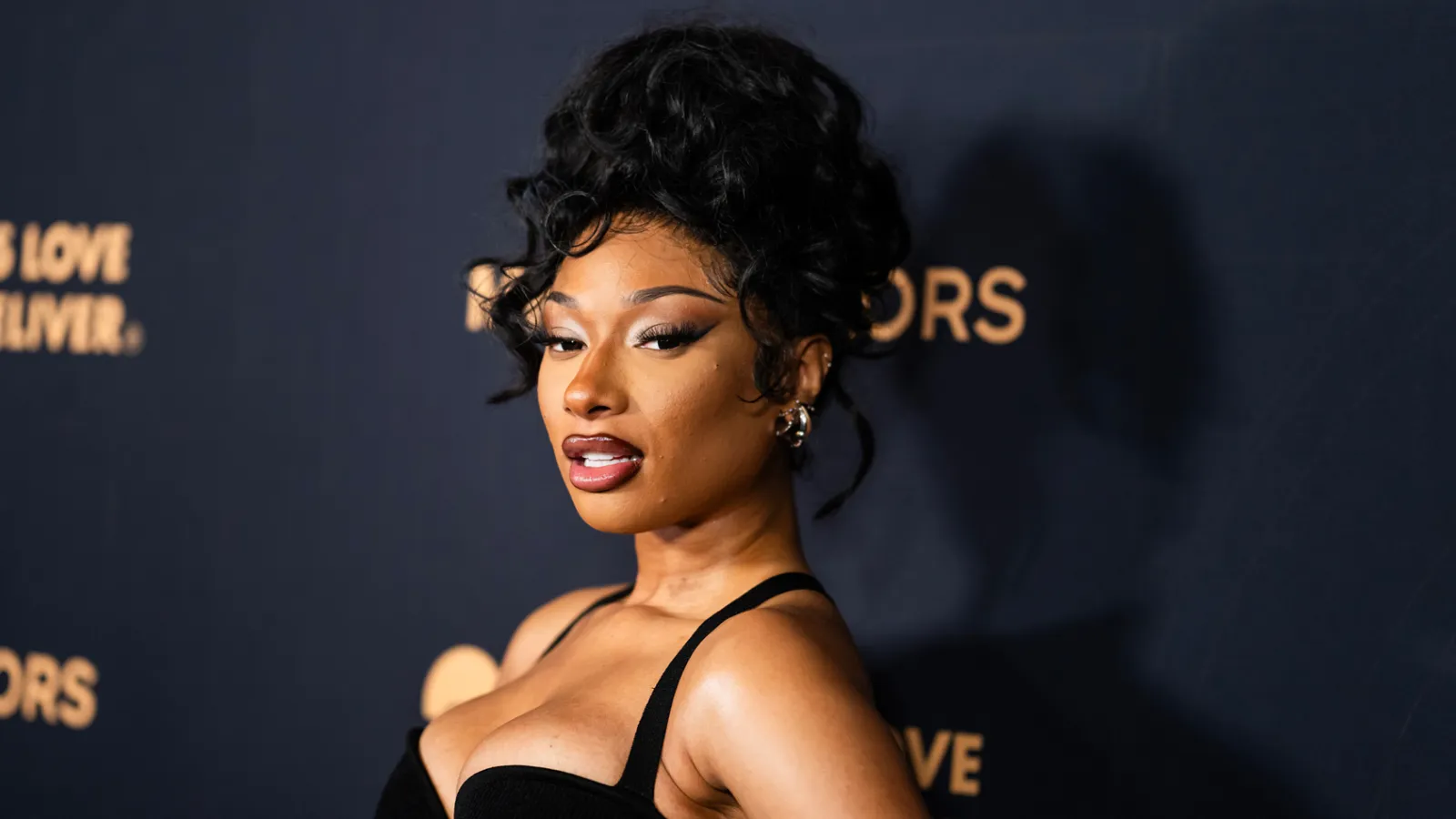
A federal judge has reinstated Megan Thee Stallion’s $16,000 defamation win against blogger Milagro Gramz, finding Gramz was acting on behalf of Tory Lanez and his family when she attacked Megan’s credibility in three statements that a jury found defamatory.
In a ruling issued Friday and obtained by Rolling Stone, Chief U.S. District Judge Cecilia M. Altonaga reversed her earlier decision to set aside the award on procedural grounds. The judgment had been thrown out after the jury found that Gramz, whose real name is Milagro Cooper, qualified as a media defendant, a designation that required Megan to give her advance notice before filing a defamation claim. Cooper never received that notice.
Upon further reflection, Judge Altonaga ruled that while Cooper could still qualify as a media defendant in some instances, the evidence presented at her civil trial last year showed she was “commissioned” by Lanez and his father, Sonstar Peterson, to make the three defamatory statements. In the statements, Cooper suggested Megan was lying when she said Lanez shot her in both feet during an alcohol-fueled curbside confrontation in 2020. Lanez, whose legal name is Daystar Peterson, was convicted and is now serving a 10-year prison sentence for the shooting that landed Megan in the hospital.
“Today’s ruling is a reminder that the truth matters and ultimately prevails,” the rapper said Friday in a statement welcoming Judge Altonaga’s decision. “I’m truly grateful for the judge’s thoughtful and thorough consideration in reinstating the jury’s defamation verdict and holding the defendant fully accountable for all of her actions. I’m ready to finally close this chapter, and I hope this sends a powerful message that spreading lies and defamatory statements has clear consequences.”
Cooper, who is now representing herself in the case, did not immediately respond to a request for comment.
In her ruling, the judge said Cooper “received payments from Sonstar, obtained information from the Peterson team before other media outlets, and sent materials to assist Daystar’s criminal defense.” Trial evidence showed Cooper had an “ongoing arrangement” with Peterson’s family, the judge wrote.
“Because the trial record shows that defendant was commissioned by the Petersons to publish or broadcast the three defamatory statements, the court finds as a matter of law that defendant was not entitled to pre-suit notice,” Judge Altonaga wrote. “The court does not find that defendant could never be considered a media defendant and only reaches defendant’s role in publishing the three statements the jury determined were defamatory.”
The judge said Cooper is now back to owing the full $75,000 judgment awarded to Megan last December. In that verdict, the jury in Florida found Cooper liable for not only defaming Megan but also intentionally inflicting emotional distress, and boosting the reach of a sexually explicit deepfake video. It awarded the Grammy-winning rapper, born Megan Pete, damages of $15,000 for defamation, $8,000 for emotional distress, and $50,000 for promotion of the altered video. The jurors added $1,000 in punitive damages for the defamation count and another $1,000 in punitive damages for the emotional distress count.
Megan first sued Cooper in October 2024, accusing her of being a “longtime mouthpiece” for Peterson. According to the lawsuit, Cooper “conspired” with Peterson to claim Megan perjured herself at Lanez’s criminal trial and is a mentally incompetent alcoholic. Megan alleged Cooper also promoted the deepfake video, which artificially depicted Megan engaged in sexual acts, to her more than 100,000 followers on social media.
In her lawsuit and over several days on the witness stand in Miami, Megan claimed Cooper and Peterson maliciously spread rumors about her as retribution for her testimony against Peterson. She did not allege that Cooper created the deepfake video, but jurors saw evidence that Cooper “liked” the video on her @MobzWorld account on X, on June 8, 2024, and then urged her followers to “go to my likes,” where it was viewable.
“I know it’s not me, but to be in front of everybody else, and they have to watch it — it’s really embarrassing,” Megan testified on Nov. 20, according to NBC News. Megan claimed Cooper knowingly amplified the reach of the fake video online, causing her severe emotional distress.
