
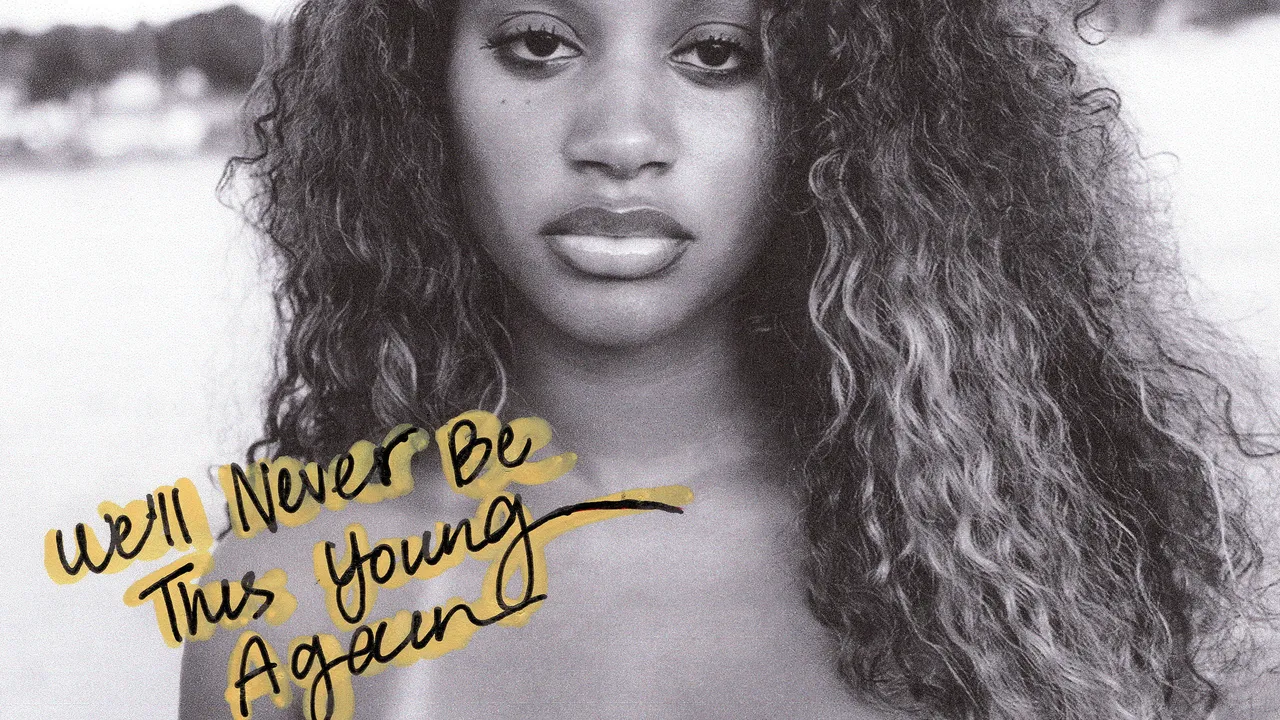
When you are a young adult living alone for the first time—buying your own groceries, falling in love quickly and effortlessly—the world suddenly opens up. There are so many ways to be a person, and they all feel within reach. But you also know what’s looming: You’ve seen adults with their ossified personalities and their set routines. You’re acutely aware that you only have a few years until you’re expected to join them, to forgo the endless potential of youth for the stability and rationality of maturity. It’s why there’s so much anticipatory nostalgia in the best music about this transitory period: Lorde screaming that she wants her old mind and friendships back on “Ribs,” SZA asking why it’s so hard to admit the party is over on “Drew Barrymore.”
New York singer-songwriter Laila! released her debut album, 2024’s Gap Year!, when she was 18. It’s a raw and conversational record about the minutiae of high school life: lacking a prom date, doing your homework, finding comfort in solitude. In the two years following its release, she graduated, fell in love, toured the world, and moved into her first adult apartment. She’s said that all the change has filled her with an overwhelming sense of gratitude. Many of the songs on her second album, We’ll Never Be This Young Again, luxuriate in that joy and optimism. But the record also contains a feeling of restlessness and looming anxiety from its very first song, when she sings, “I’m too young to be this upset/Feel like I’m losing time.” The album functions as a meditation on time, and all that is lost and gained as it moves forward.
No score yet, be the first to add.
The album’s title functions like a lodestar throughout its runtime. Laila! says the phrase not only on the title track, but also on “SO MUCH, SO MUCH” and “Anything Could Happen.” Every time I hear it, I think of “Ivy” by Frank Ocean, one of pop music’s greatest purveyors of nostalgia; when he sings, “We’ll never be those kids again,” the stakes are perfectly clear: Every passing minute takes him further from a fleeting moment of unencumbered adolescent hope. The best writing on nostalgia is textured and expansive like this, collapsing time on itself: the thrill of the present and the uncertainty of the future. Against this bar, though, “We’ll Never Be This Young Again” feels relatively flat, its imagery and sound all hitting a uniform emotional register. Across a lilting ’90s soul sample, Laila! sings a handful of phrases that broadly gesture at sentimentality: We’re not getting any younger, summer isn’t done yet, you could be my best friend. There is no tension between expectation and reality, no concrete regret or achievement, no shift in perspective, nothing gained or lost.