
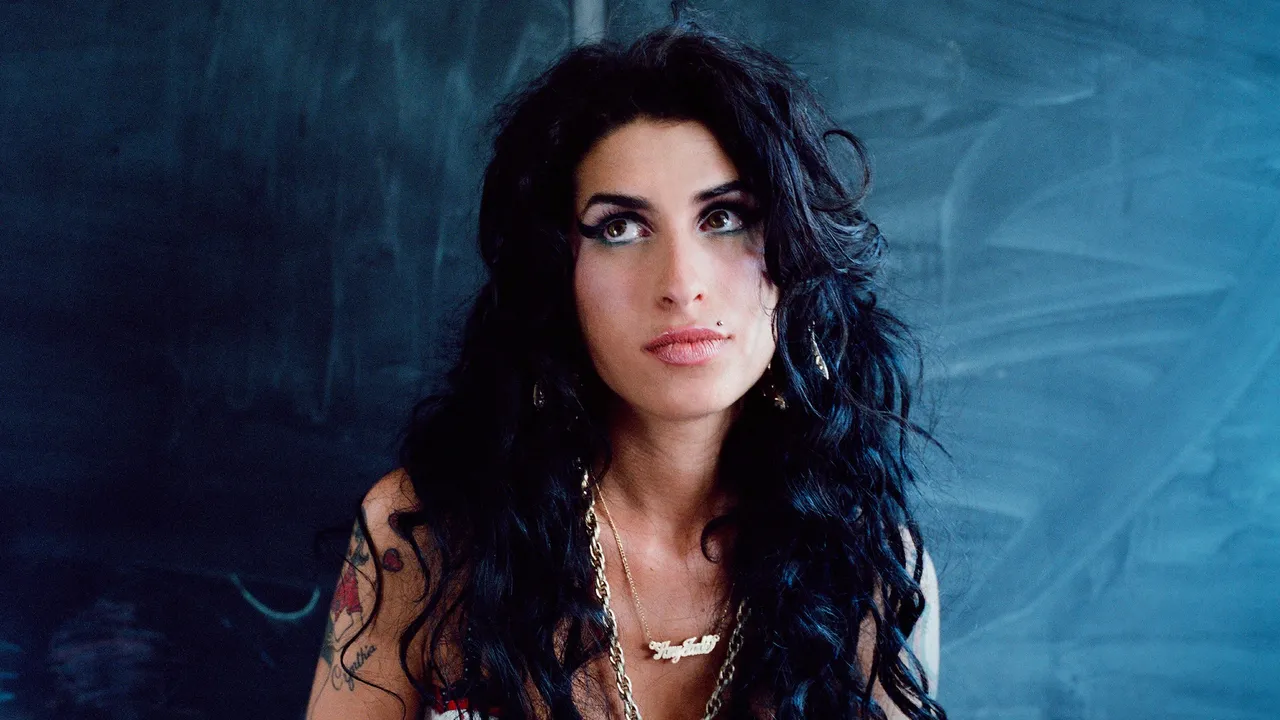
Before all that, she played a gig in Amsterdam on February 8, 2007, presented in full on the third disc of the CD release. Winehouse was in good voice and spirit, backed by the band that typically played her European shows at the time, directed by bassist Dale Davis (i.e., not the Dap-Kings). It’s a fairly straightforward runthrough of Back to Black, with some Frank gems and a cover of the Zutons’ “Valerie,” a future Winehouse signature, thrown in. Though the band is loose and prone to vamping, particularly on the reggae-kissed “Just Friends,” these live renditions are faithful to the recordings. Winehouse would go on to bend and stretch within her songs as she performed them through the years—she had a finite list of material she could pull from, especially since most people were showing up to hear Back to Black. She eventually got sick of her songs, according to father Mitch Winehouse’s memoir. She would at times delete the most desperate of the Fielder-related songs from her setlist—“Wake Up Alone,” “Some Unholy War,” and “Back to Black”—because they were too hard to sing. “To sing it good, I’ve got to think about how it felt at the time,” she said. “By the end of it, I’m always half in tears… personal songs, innit?”
The Amsterdam show was previously released in part on a Dutch special edition of Back to Black and, besides “Addicted,” it has been available as a soundboard-quality bootleg online. It’s nice that this recording, some B-sides, and the new demos are now streamable and available in one place on physical media (though the vinyl edition is slightly truncated). But this 20th-anniversary package is rather sparse in its brand new offerings—just five previously unheard tracks, and a lot of old covers that have already been available, like Winehouse’s rocksteady version of Sam Cooke’s “Cupid.” Winehouse claimed she had “loads” of leftover material from the Black sessions, and, around the time of the release of the posthumous compilation Lioness: Hidden Treasures, Salaam Remi revealed “a lot of things she wrote and laid down that haven’t been released.” The demos she worked on for the planned Back to Black follow-up, however, were destroyed, per former Universal Music UK executive David Joseph, who told Billboard, “Taking a stem or a vocal is not something that would ever happen on my watch. It now can’t happen on anyone else’s.” That’s great, but it also reminds us that a void can never be filled. Maybe the Back to Black 20th anniversary edition is wise for not even trying.