
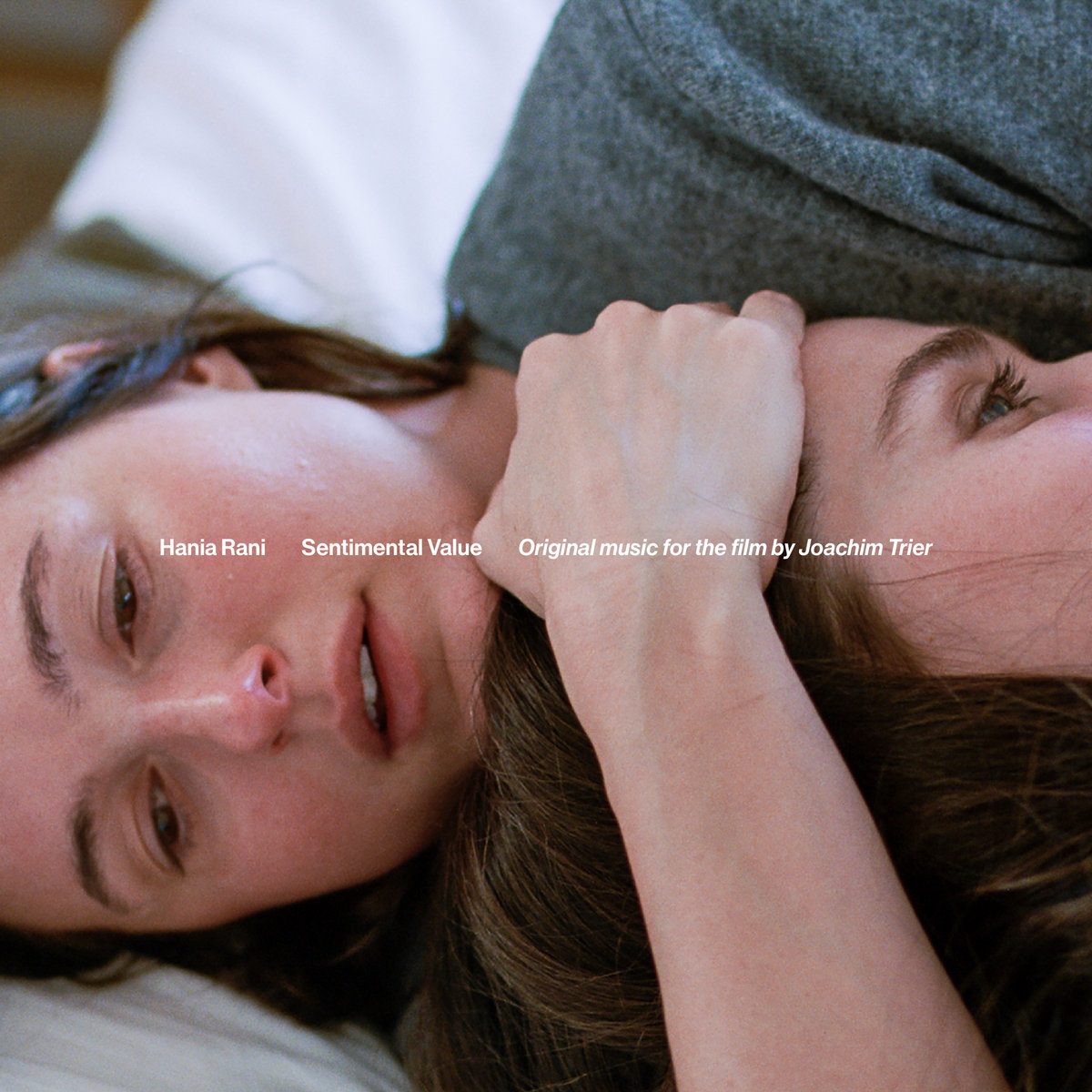
Winner of the Special Grand Prix of the Jury of the Cannes Film Festival and the Golden Globe, “Sentimental Value” by Joachim Trier is certainly one of the best films of 2025 as well as one of the Norwegian director's most successful and autobiographical works. A work definitely inspired by Ingmar Bergman and his most painful and psychological films (from the Silence of God trilogy to “Persona”), “Sentimental Value” sees the collaboration of Hania Rani on the soundtrack, a choice that is certainly acceptable considering the career of the Polish composer.
The story of the film, of the relationship between father and daughter, respectively Stellan Skarsgård and Renate Reinsve, but also of the house, perhaps the true protagonist of the story, is rendered by Hania Rani in its fragility through the happy dialogue between piano and strings, with chamber music that perfectly describes the places inhabited by the protagonists. A minimalism, in the sense of reducing possible notes to a minimum, which coincides with the protagonist Nora's difficulty in finding inner peace, made difficult by a complex relationship with a father who was in some ways extraordinary but absent for much of her childhood.
This sense of emptiness emerges in static music that never accelerates, in suspended strings that search for a melody that they will never find, but which nevertheless communicate passion and lack. The house becomes the theater, in the same way that the theater becomes home in Nora's life, the only place of protection from a life that is difficult to fully understand. The repeated notes of “The House”, this time in the truly minimalist sense of the term, suspend the listening as if in a frame that never changes, while the piano searches for modern classical textures worthy of being remembered (“Riksarkivet”, “Agnes”).
Music becomes a tool for searching in memory for the traumas that made Nora what she is now, a therapeutic aid for meditating (“Rachel”, “Nora”), and when the piano notes join the strings (the title track) we reach the moments of maximum emotion that support the splendid images of Joachim Trier and the faces of the two protagonists, typical of the history of Scandinavian cinema, the cinema of faces par excellence.
07/25/2026
Antonio Santini for SANREMO.FM