
It was an absolute joy to watch the 2026 World Cup. I watched last-minute winners in Mexican cantinas and binged group-stage bangers on friends’ couches (shoutout Cabo Verde); I called my girlfriend in from other rooms to show replays and made calls to my pops back home about refereeing decisions we watched hundreds of miles apart. In the bits of Bushwick that haven’t been completely whitewashed, it made me smile to see the greens and yellows on the torsos of the proud Mexican and Ecuadorian immigrants I’ve shared sidewalks with. When I went to MetLife Stadium on the day of the final between Spain and Argentina, I wore my Haiti jersey just ’cause I was proud that my parents’ home country got to compete in the first place (and compete they did).
The 2026 World Cup was a year of big firsts: It was the first time the tournament has been hosted by three countries–primarily the United States, but also Canada and Mexico. It was the first to feature 48 teams, including 10 nations that were competing either for the first time ever or the first time this century. It was also the first World Cup to include a Super Bowl-type halftime show for the final.
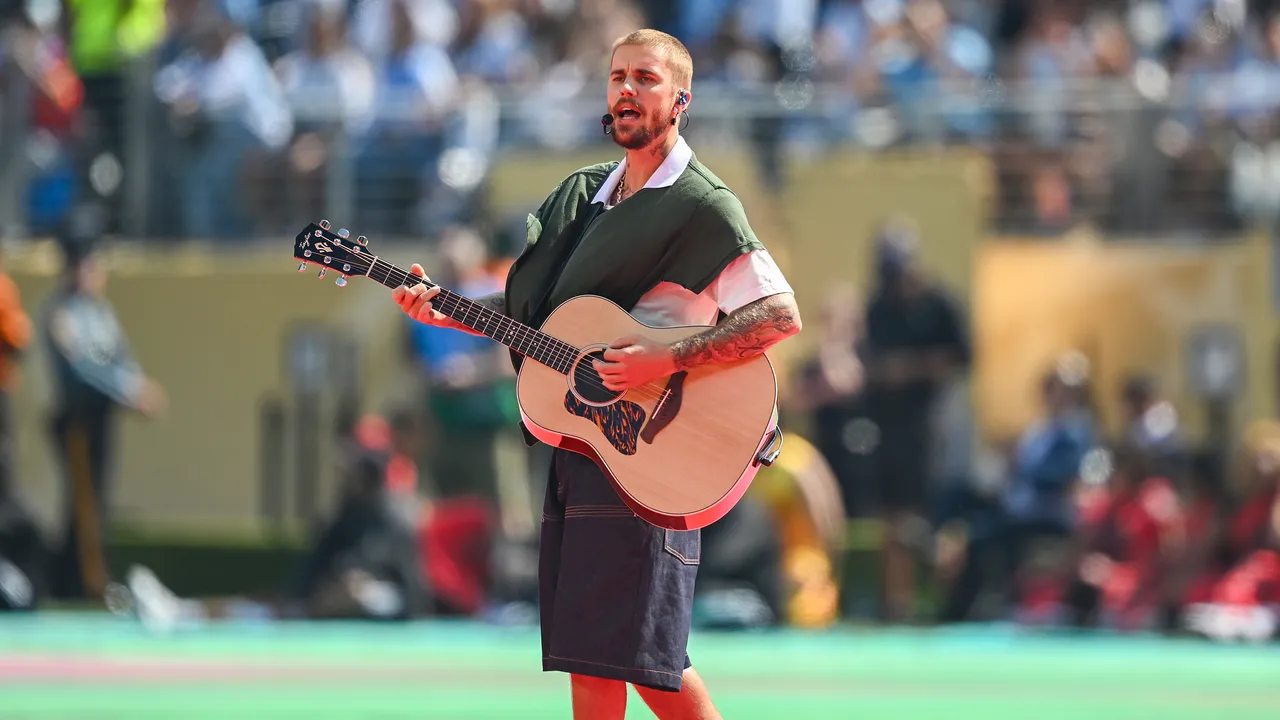
Curated by Chris Martin, the acts selected were some of the biggest in the world, each representing a different country: Madonna (USA), BTS (South Korea), Justin Bieber (Canada), Shakira (Colombia), and Burna Boy (Nigeria). After a first half between Spain and Argentina that resulted in little more than cardio for the guys on the field, it sucks to say the halftime show did nothing to ease the boredom.
If you looked at the list of artists here and thought, Damn, these people really have nothing in common with each other, you’re actually wrong–each of them has more streams on Spotify than there are people on Earth. By no means does global reach guarantee a good show, though. If the inaugural FIFA World Cup halftime show proved anything, it’s how disconnected the gatekeepers curating entertainment on the biggest stage are from common people.
There’s another “first” I forgot to mention: During the draw for the group stage in December, FIFA awarded its inaugural “Peace Prize” to the sitting president of its de facto host. The decision is drenched in irony: Donald Trump pretty overtly stands against the egalitarian ideals perceived as the foundation of the World Cup. It’s his rhetoric that barred Somali referee Omar Artan entry into the U.S. despite being hired by FIFA; it’s what caused higher rates of visa denials for fans and officials traveling from Haiti, Africa, and the Middle East; it’s what forced Iran, who played two of their three games in L.A. and the other in Seattle, to travel back to Mexico and reside there after every match.
All of this made the global unity propped up by the halftime show feel fake as hell. The entire performance felt like a scrolling through the blank-slate feed of a new TikTok account: Each act was a piece of content fine-tuned for a specific, painfully inoffensive vibe, all of them popular and vague enough to pacify an audience so wide that it’s hard to imagine a real person that exists in it. It’s clear there were long hours of work put in—elaborate choreographies, airtight changeovers, lyric changes, song mashups—but the presentation was random and choppy. All we were left with was a bunch of songs and musicians and celebrity cameos that had nothing to do with each other.
In the stadium, the show felt even more anonymous. Like the Grammys or any other televised music show, the main focus of each performer wasn’t the crowd immediately in front of them—in this case, over 80,000 attendees—but instead the millions watching from the other side of the cameras. A beautifully varicolored sheet was laid out over the grass for the dancers and singers and flagbearers to move across, yet I found it pretty hard to immerse myself in what was happening on the field without diverting my attention to the jumbotron.
