
Tribal ambient was born from a utopia: building a language capable of fusing non-Western timbres with minimalism and studio electronics, to form a place that belongs everywhere and on no map. Jon Hassell called him fourth worlda primitive and futuristic language at the same time; from there, the genre developed its own code during the 1980s, when some ambient pioneers began to integrate field recording of the four corners of the world in expansive, drone-like soundscapes. It was the decade that saw the birth of O Yuki Conjugate in Nottingham: they came from the post-punk scene, and their first recordings mixed drum machines mesmeric e loops of tape to non-Western material, from the African continent to the aboriginal populations.
In the following years the genre matured and branched out: Rapoon, alias by Robin Storey, former founder of :zoviet*france:, introduces ethnographic fragments treated as patterns hypnotic on shadowy atmospheres, gradually moving away from the pacified component of the origins. It is no coincidence that many of these names gravitate towards labels linked to the most radical experimentation, such as Chris Cutler's Recommended Records, which publishes another piece of this imaginary: “Urban And Tribal Portraits” by Roberto Musci and Giovanni Venosta, two Milanese who since 1988 have fused recordings collected around the globe with electronics and lysergic raids. From those roots, tribal ambient has continued to change skin and latitudes.
There are those who have made it an almost ethnomusicological question, recording directly at the source, and those who have brought it back into the percussive and ritual dimension from which it started: this is the case of Paradise Cinema, a project by the British Jack Wyllie (Portico Quartet), who in 2020 flies to Dakar to record with two percussionists mbalax Senegalese. However, there remains a shadow that the genre has never completely resolved: what it means to build music starting from sounds and traditions that do not belong to those who sample them, and to what extent field recording, even when born as a tribute, ends up perpetuating a Eurocentric gaze. It is a question that accompanies each of the albums collected here, and that each one, despite its charm, tries to evade or address in its own way.
Chi Factory – The Mantra Recordings (2019)
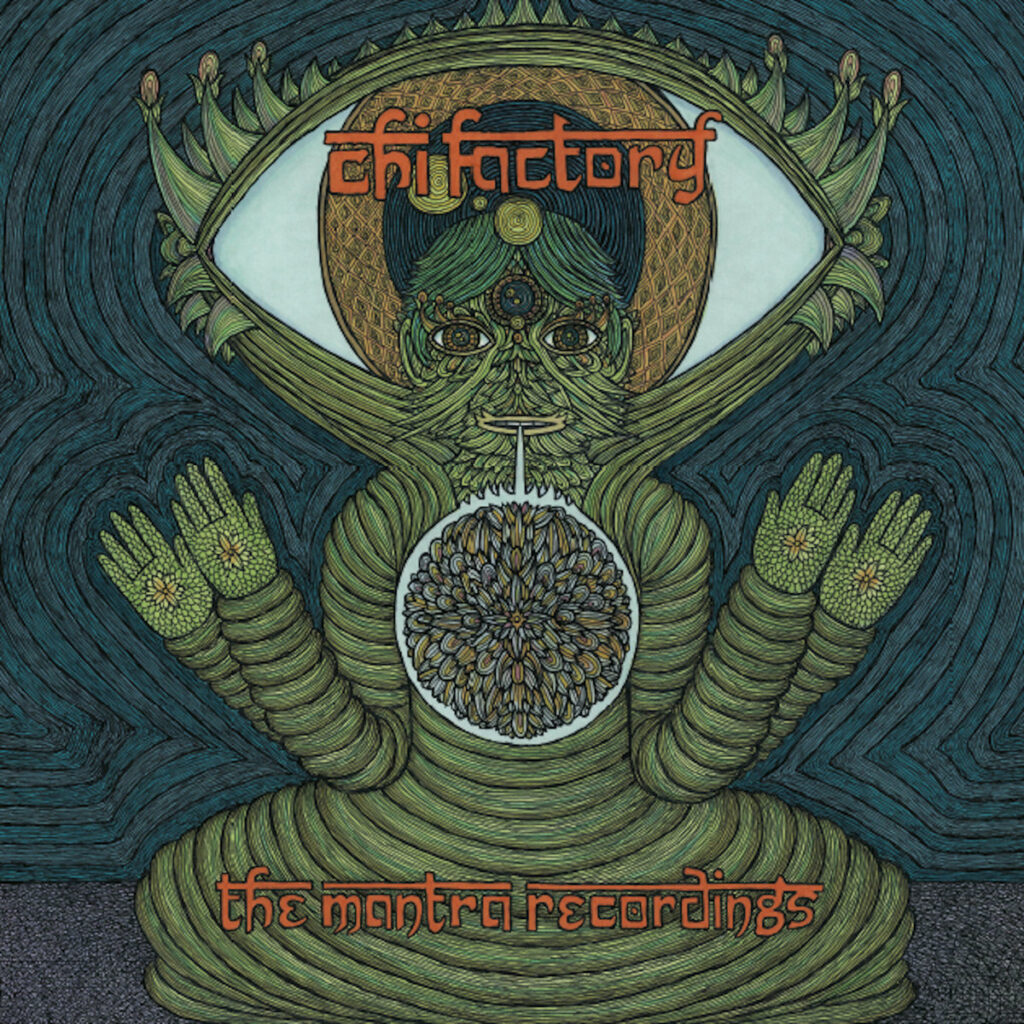
Dutch duo born from the ashes of the Chi, “The Mantra Recordings” is a dedication to the American poet Robert Lax, who lived as a self-exiled hermit on the Greek island of Patmos starting in the 1960s, and who Jack Kerouac defined as one of the great voices of his time. To pay homage to the artist, Chi Factory went to the island and composed the four parts of the album, where field recording animalistic and naturalistic sounds recorded on site they intertwine with electronics and instrumentation, restoring the solitary existence of a man immersed in nature, far from consumerism. Fusing fluid third-eye dub rhythms from Jon Hassell, the work is divided into four evocative suites with a multifaceted rhythm, where nature is manipulated, compressed and dilated in an ectoplasmic world of drones and tribalisms; to crown the packaging, the publication for the very renowned Astral Industries.
David Toop & Max Eastley – Buried Dreams (1994)
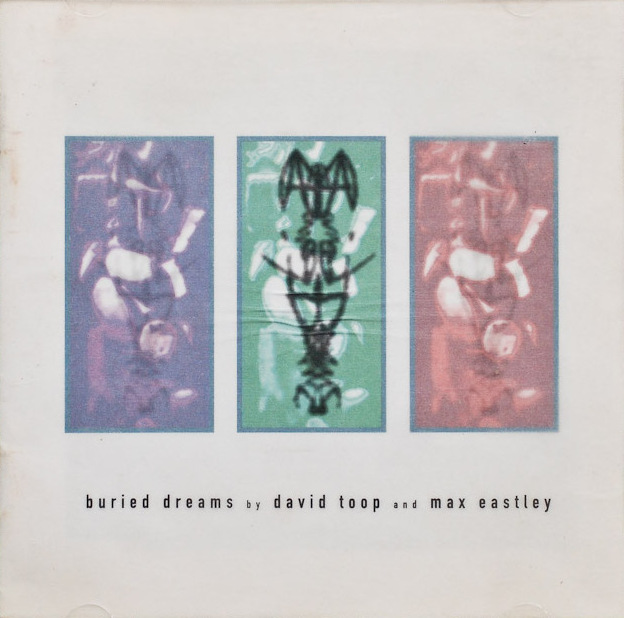
Jointly signed by two cult figures of the English avant-garde, “Buried Dreams” was born from the minds of David Toop and Max Eastley: the first, influential theorist of ambient and world music, as demonstrated by his book “Ocean Of Sound”, released almost immediately after the album and a manifesto of the imagination fourth world; the second, an experimenter, builder of kinetic instruments and installations moved by wind, water and electricity. The method is to bring the tribal ambient towards inhuman territories: naturalistic tapes collected from every corner of the world and often self-built acoustic instruments are processed until they become post-human. It is primitive and ancestral music, and the soundscapes are as wild and unreal as they are futuristic, but the references are no longer earthly, and it is not clear whether this tribalism belongs to planet Earth or to some not yet discovered exoplanet.
De Leon – De Leon (2018)

De Leon is one of the many masks of a collective that has made anonymity poetic. The record is based on material gamelan treated as if it were dub, with recordings from an equatorial climate and a handful of acoustic instruments reacted to minimalist, almost glitchy electronics. Six compositions that seem to have been struck by a forge: patterns intertwined with millimetric precision, set in slow atmospheres, with the impression that the real protagonist is the sound direction of who, on the mixerdoses effects and manipulations in real time. This time, however, that hand does not work on the downbeat and upbeat of Jamaican music, but on an ethnography which, although starting from Indonesia, disseminates synthetic seeds everywhere, to the point of confusing the organic and the artificial, like a tribal ambient suspended on the edge of dance music, with subtle references to Chain Reaction and dub techno from warm up.
Música Esporádica – Música Esporádica (1985)
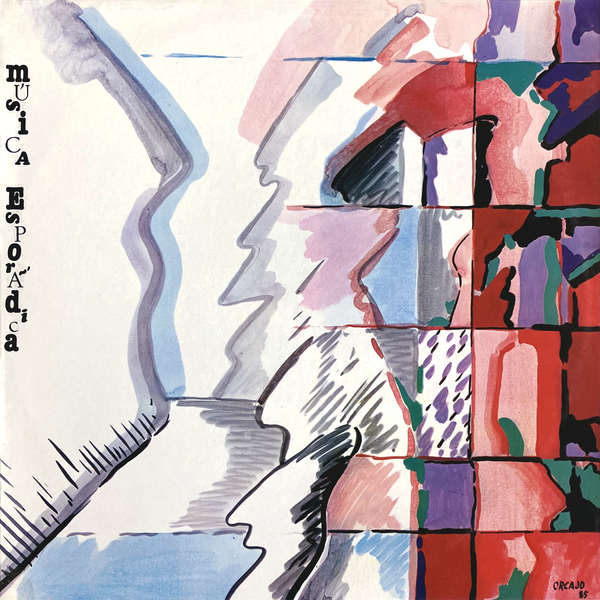
Spanish project born around Suso Sáiz, a key figure of the Madrid avant-garde with his Orquesta de las nubes, and Glen Velez. The two, who met at a Fluxus event, soon formed a friendship based on a passion for non-Western music, but it was when Velez and Layne Redmond attended seminars on percussive techniques that the idea of a record began to take shape. Joining one of those sessions were Miguel Herrero, with whom Sáiz played every week in clubs, and María Villa and Pedro Estevan from the Orquesta. From those recordings were born four long excursions of a placid new age and post-minimalist nature, recorded in one go in the space of twelve hours. A work where non-European percussive instruments explore resonances and odd times; mantric guitars, keyboards, ethereal voices and colorful textures flow into one jam which is renewed like the water of a river.
O Yuki Conjugate – Into Dark Water (1987)
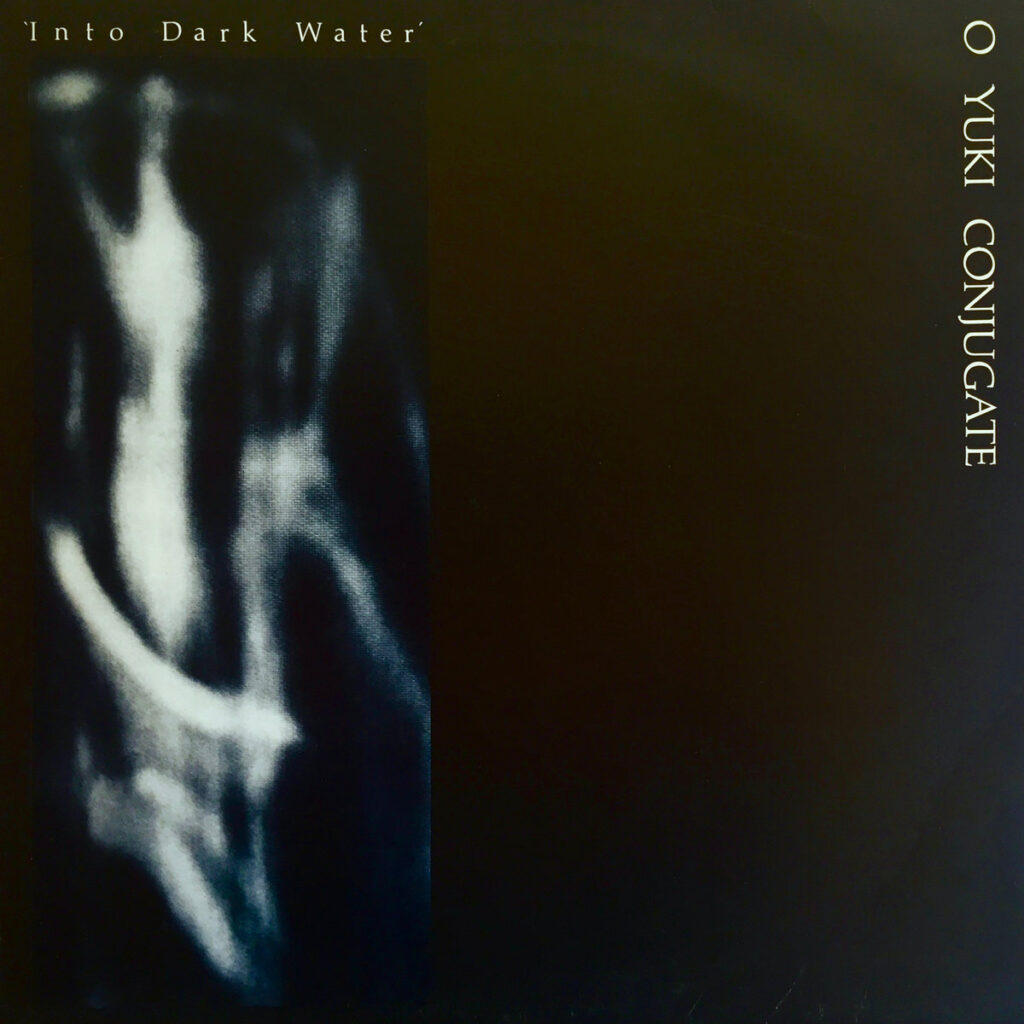
The Nottingham group's second album is the point of transition between their industrial debut and their definitive positioning towards tribal ambient pioneering, here decisively inclined towards an ascetic feeling. Born in 1982 and initially associated with the :zoviet*france: and Muslimgauze scenes, the four recorded “Into Dark Water” over four days, in an eight-track garage studio. The instrumentation speaks to the record's DIY aesthetic: tongue drumbongos, wooden percussion but also a baking tray and a cardboard box, next to drum machinesribbons, flutes and wind chimes. The result is an elaborate intertwining of past and present, ancestral and arcane, like a Steve Roach played in a cave; a globalist music where the only rule is to elevate hypnosis to a primordial and technological state at the same time: what counts is only the ritual, the same in every era.
Paradise Cinema – Paradise Cinema (2020)
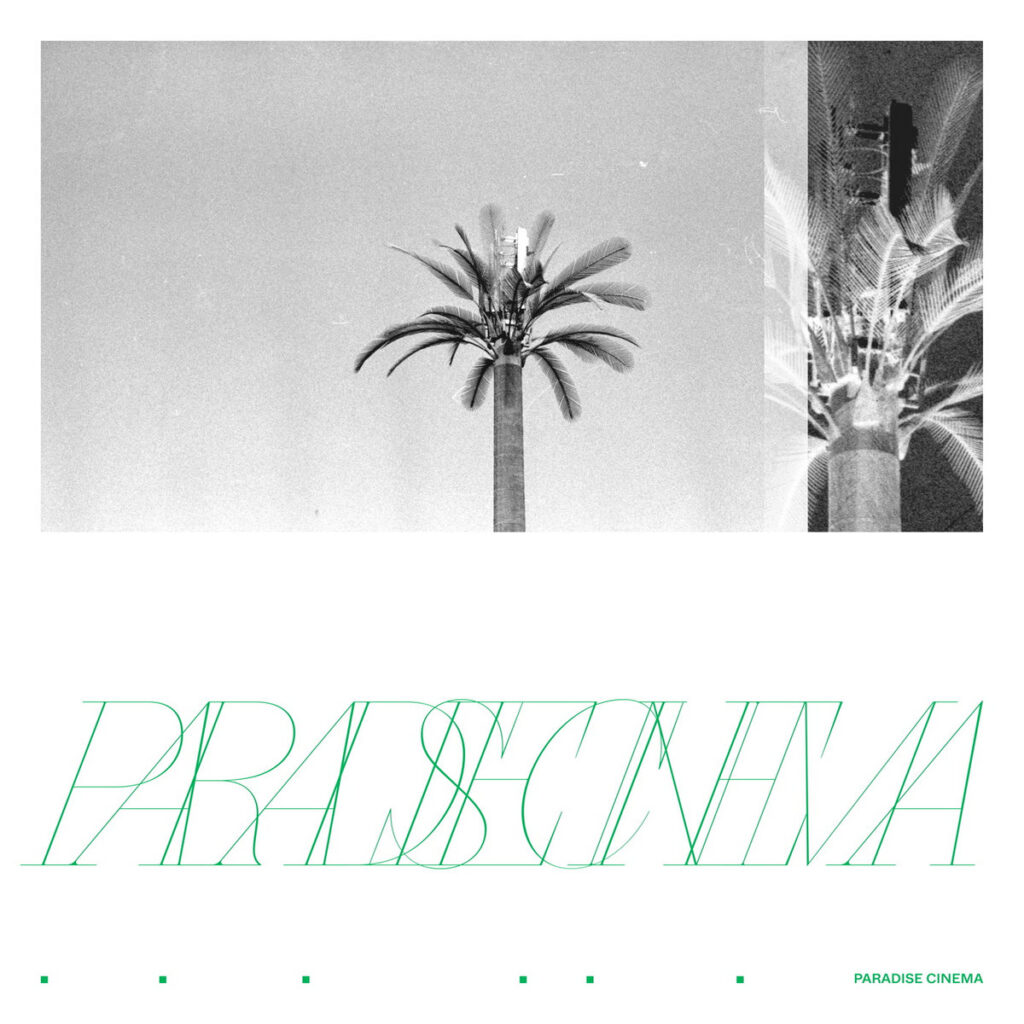
Project by multi-instrumentalist Jack Wyllie of the Portico Quartet, “Paradise Cinema” was recorded in the Senegalese capital in collaboration with percussionists mbalax. The album was born almost by chance: Wyllie was in Senegal to follow his partner, who was engaged in anthropological research, and it was only while wandering around the city and discovering thembalax which matured the idea: in Dakar, the drums and songs in the streets went on until six in the morning, and it was hearing them from bed that the work began to take shape. Filtered by the surrealist vapors of a European gaze, an iridescent and luminous polyrhythmic music emerges, muscular and fluctuating, capable of evoking ineffable imaginaries and cultures. The title, then, is full of that nostalgia for a missed future: it refers to the old modernist cinemas of the city, built in post-independence Senegal, now in ruins and disuse.
Rapoon – Fallen Gods (1994)
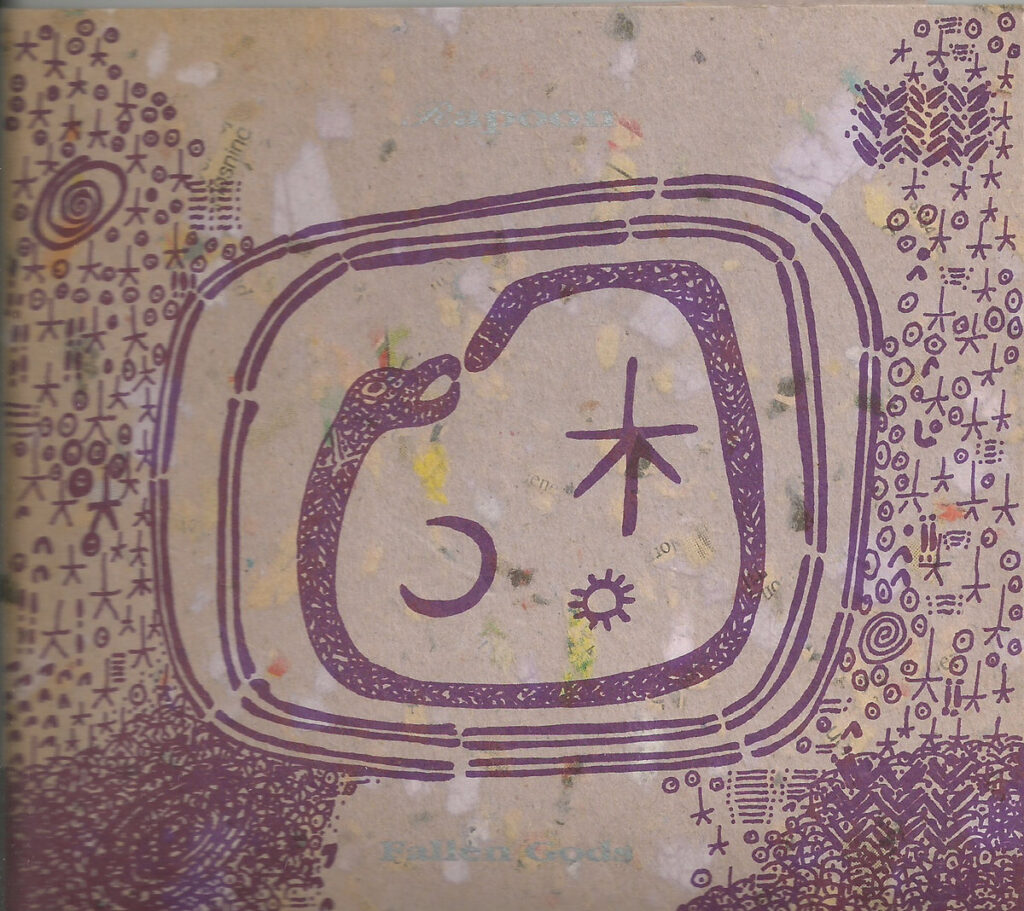
Born in 1955, painter as well as musician, Robin Storey had just left the :zoviet*france: of which he had been a co-founder, and with Rapoon he focused on his own ritual idiomatic. The method is that of travelogue sound: ethnographic fragments collected almost everywhere, cut, sampled and forced into trance. Compared to previous works, here it gives to loops rhythmics a dominant role, with a more marked percussive pulsation. The album also marks a new concentration on Indian classical instrumentation, while around it there are forays into drone with an almost lo-fi. Spare and essential, “Fallen Gods” plays on the dualism between modernity and mysticism, a primitivism made mechanical, in which archaic ways of execution are reconstructed by subjecting organic material to technological treatments, an alienating glow that coexists with concentration and meditation.
Roberto Musci & Giovanni Venosta – Urban And Tribal Portraits (1988)
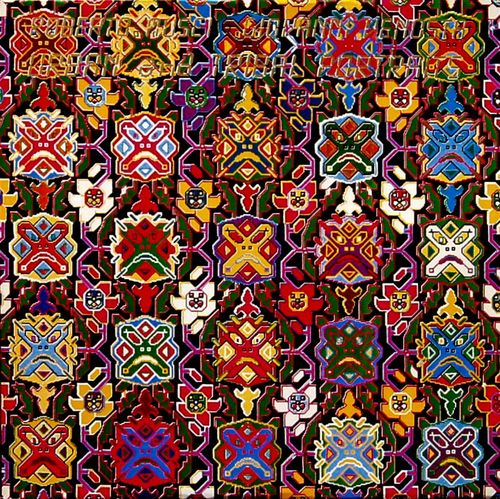
Album from 1988 and second chapter of the two Milanese artists, “Urban And Tribal Portraits” knows no geographical limits or temporal boundaries. Musci had spent his youth traveling the planet studying and collecting African, Indian, and Near and Far Eastern music field recording and collecting ethnic instruments; Venosta came from a more compositional and pianistic path, and it is his more harmonious component, against the ethnographic one of his partner, that creates the ideal semantic counterpoint. The album builds psychedelic vignettes, with sensorial stratifications and montages of electronic and documentary sources around a nucleus of ethnographic recordings: pygmy songs treated that become futuristic, forays into Asia and Africa up to almost diy-punk aggressions. In the reprint, a photo by Sven Hedin from the early twentieth century depicting masks of Tibetan demons.
XYR – Pilgrimage (2020)
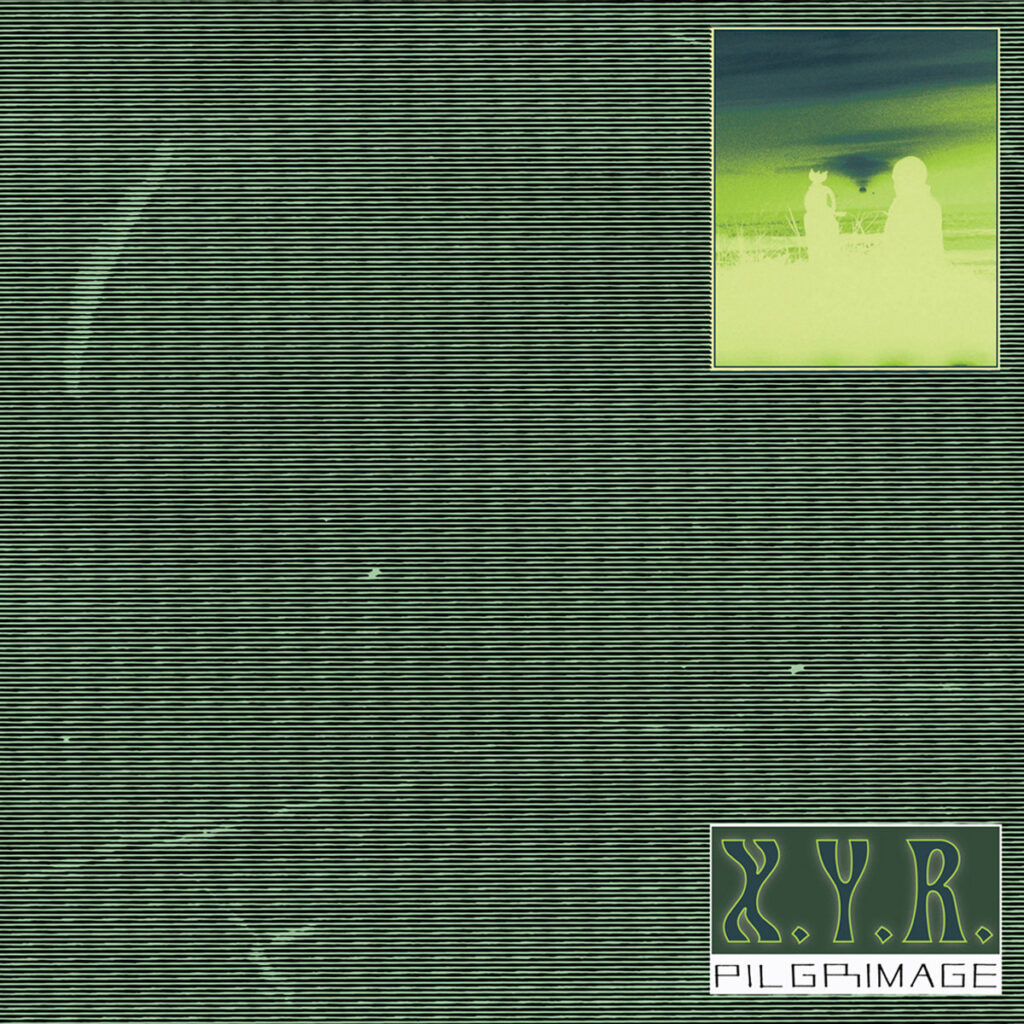
XYR is the project of the Russian Vladimir Karpov, prolific author of a fourth world spectral. Registered in his home studio“Pilgrimage” is composed of two tracks of twenty minutes each, long religious journeys all turned inward: the pilgrimage of the title becomes the crossing of one's own internal obstacles. The modus operandi weaves synthetic and organic instrumentation over mystical crackles: Karpov plays the synth Soviet Formanta-mini and the Korg M1, supported by Alexey Krjuk dealing with Elektron Octatrack and modular; above, ambient recordings emerge and disappear, such as the sound of water in a well, the cry of an exotic bird, tropical ornaments that pierce the mist. The compositions start from immobility and then stratify: rather than a drone, the effect is that of a hypnotic and ceremonial procession, suspended between devotional trance and subtle restlessness.
Daniel D`Amico for SANREMO.FM