
Putting Michael Jackson's discography in order is a less simple exercise than it might seem. It's not just a question of establishing a ranking or identifying the best records, but of deciding where his solo story really begins. On the one hand there is the child prodigy who grew up under the protective wing of Motown and who already releases records under his own name, on the other the artist who since the end of the 70s has rewritten the rules of contemporary pop.
The first solo albums were born in a very specific context: Jackson was little more than a boy, still deeply inserted into the dynamics of the Jackson 5, and his artistic identity was inevitably guided by Motown's rigidly structured production system. They are records that convey an extraordinary voice, already recognisable, but still in the process of being formed and channeled into a soul-pop language designed more to enhance a precocious talent than to express a vision. Then something happens. With Off the Wall and even more with Thriller Jackson becomes an author, an architect of sound, a total performer. It is there that the artist we all know takes shape, the one who controls every aspect of music, who blends genres, who transforms every record release into a global cultural event.
For this reason, when you try to reread his discography, the albums released by Motown inevitably end up at the bottom of the charts. Not so much for a question of quality, which would be an unfair simplification, but for an evolutionary logic. They are the origin, the starting point, the laboratory in which something enormous can already be glimpsed, but which will only find full expression later. Queuing them means recognizing that they belong to another phase of his life: one in which the artist was already extraordinary, but was not yet truly Michael Jackson.
On a side note, it is also worth clarifying another choice made: excluding the two posthumous albums Michael And Xscape. These are publications which, by their nature, are extraneous to the discography as it was conceived and constructed by the artist in life. Beyond the qualitative differences, with Xscape more solid and respectful of the original material than Michaelthe first of the two was marked by controversy related to the vocal tracks. More than enough reasons to consider them separate objects, interesting record appendices, but external to Michael Jackson's true artistic career.
-
10
Forever, Michael
1975
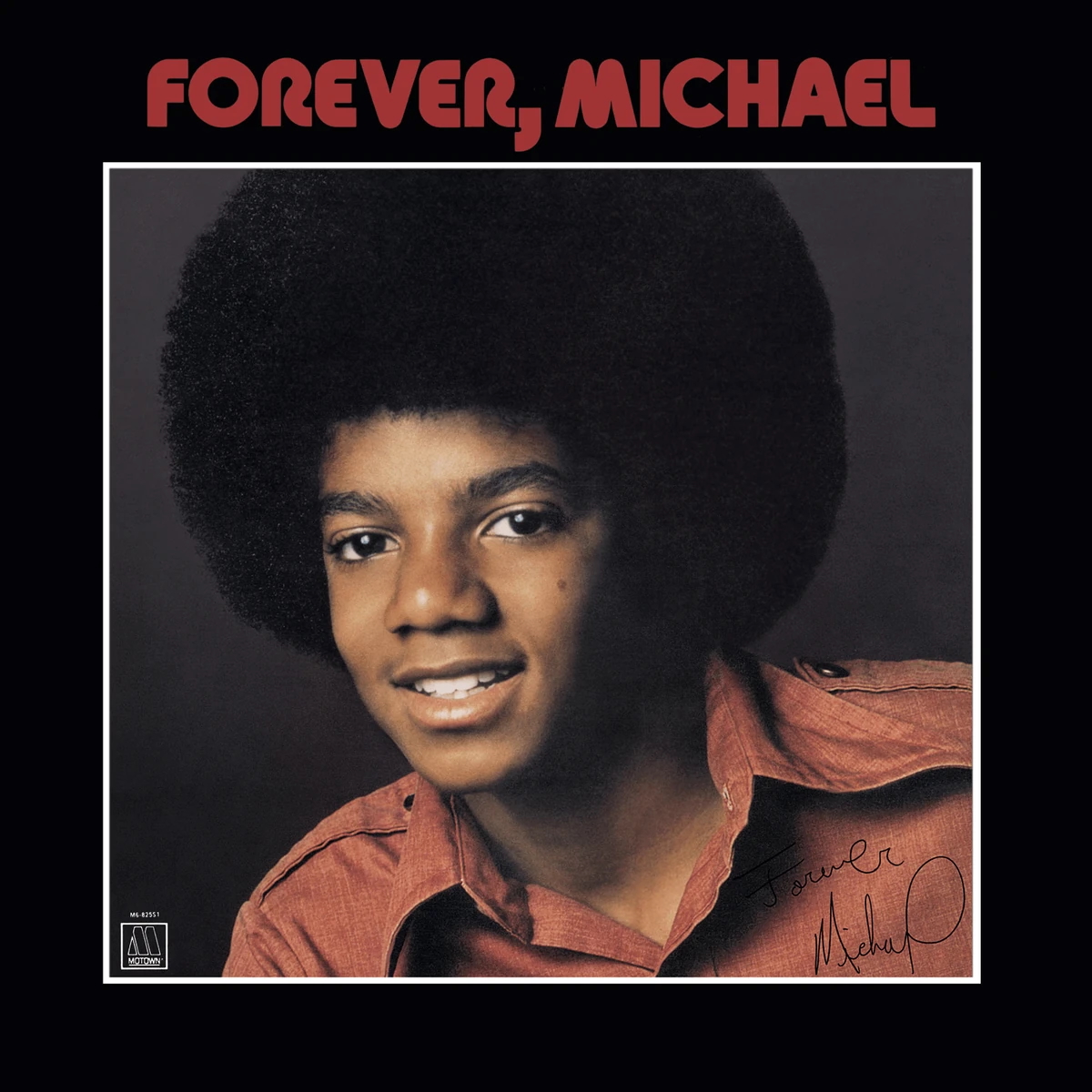
The fourth solo album in three years is not perfectly in focus, but above all it pays for the disinterest of the Motown boss, Berry Gordy, busy with film projects and with less and less time to dedicate to music. Perhaps there are no real hits, even if Michael's voice is now the one that the world will soon learn to know and no longer the childish one. With the Jackson 5 still on the crest of a wave, it was one of the few commercial flops of his career.
-
9
Music & Me
1973
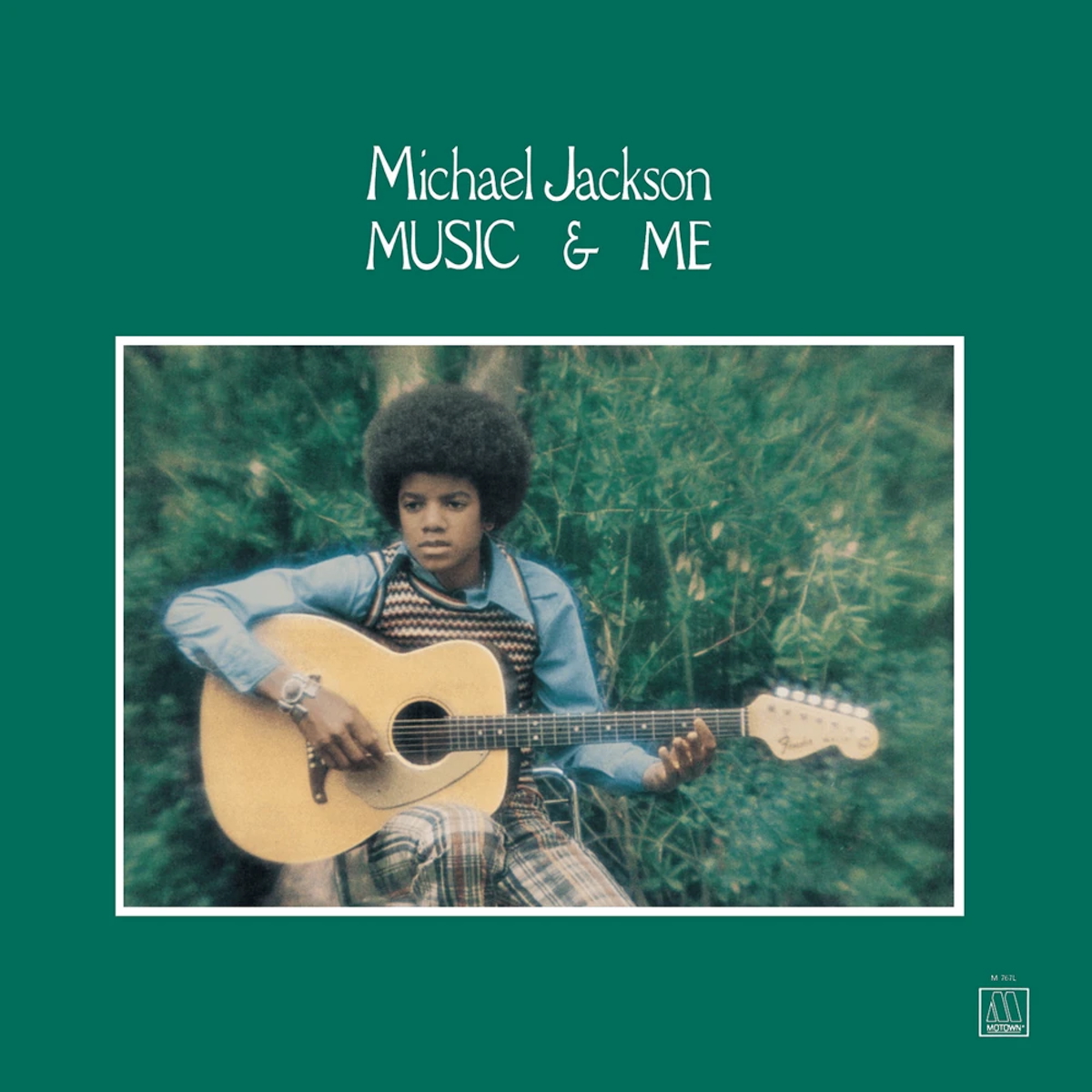
With the global success of Bensung by Jackson at the 1973 Oscar ceremony, Motown pushes to have a new album, always composed of covers and songs written by authors of the label. Sales are falling, a sign that part of the public is starting to tire of the image of the child prodigy Michael, whose voice is transforming as he enters adolescence. The boy then has very clear ideas and begins to understand some of the mechanisms of the music business, appearing not always satisfied with the songs they offer him.
-
8
Got to Be There
1972
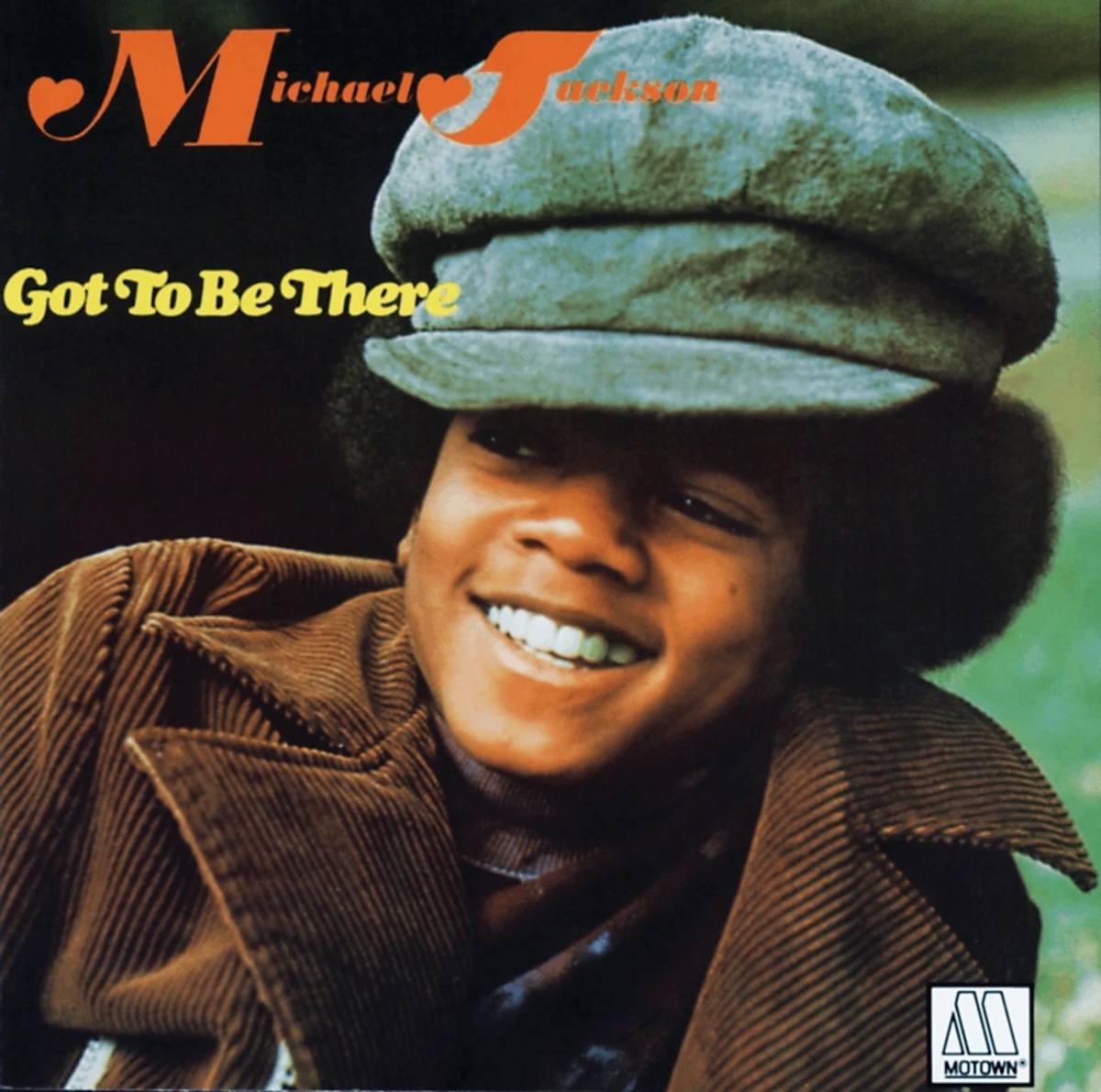
Jackson made his solo debut at just over 13 years old in the wake of the global success of the Jackson 5. Everyone understood that he was the winning horse and they were not wrong. The boy sings with a frightening awareness, on all registers, even those that the voice of a normal teenager could not support. The title track comes from Elliot A. Willensky and immediately becomes a success capable of driving the album to one million copies sold a year after its release. Also noteworthy is the interpretation of You've Got a Friend by Carole King.
-
7
Ben
1972
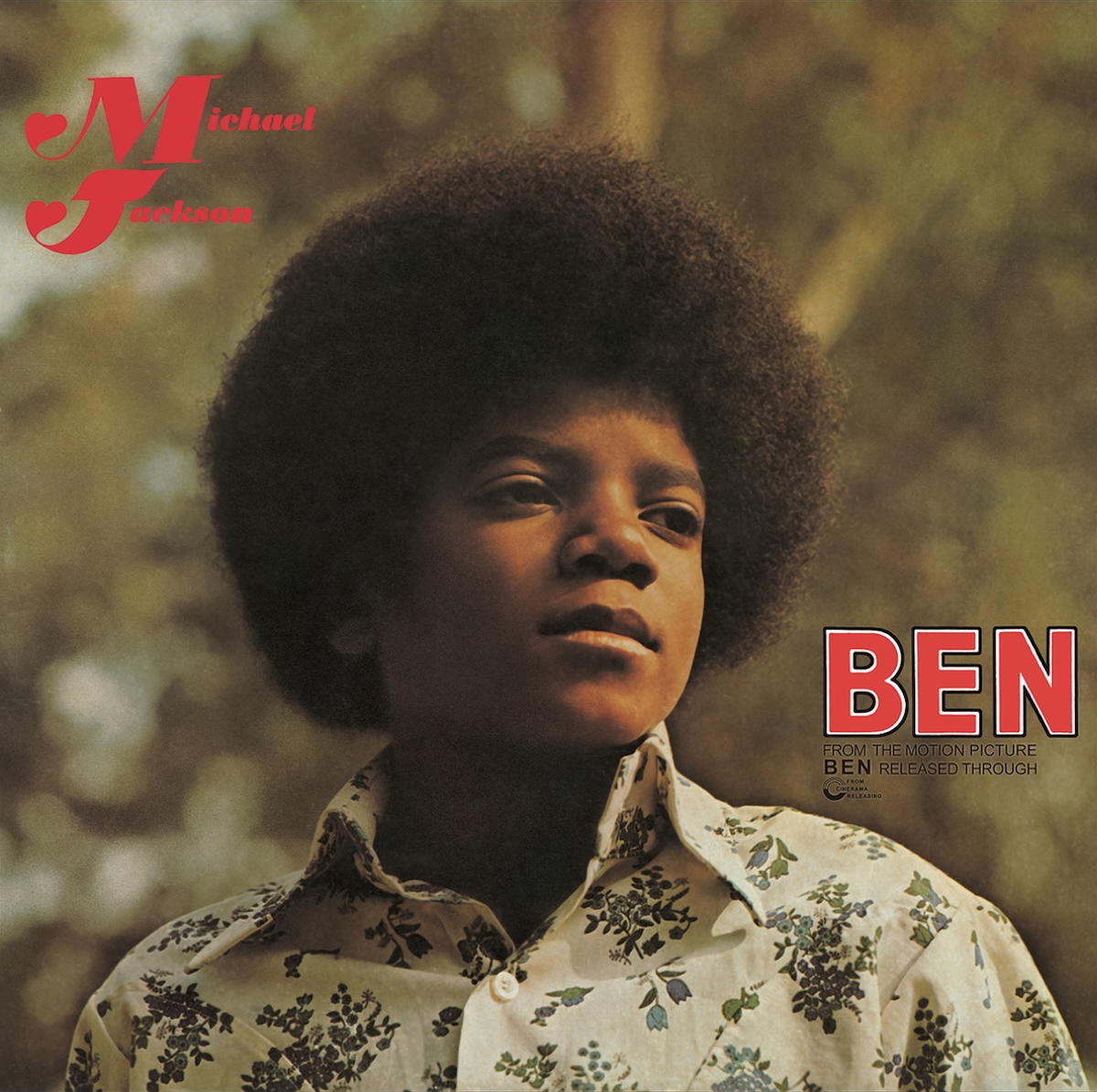
Released a few months after the debut album, Ben essentially retraces the path with covers and songs written by Motown authors for the young performer. What makes the difference is the title track, which becomes Jackson's first solo song to reach number one in the US singles chart. The song also won a Golden Globe for best original song from a film and was nominated for an Oscar in the same category. He doesn't win, but the performance at the presentation of the statuettes still goes around the world: a star is born.
-
6
Invincible
2001
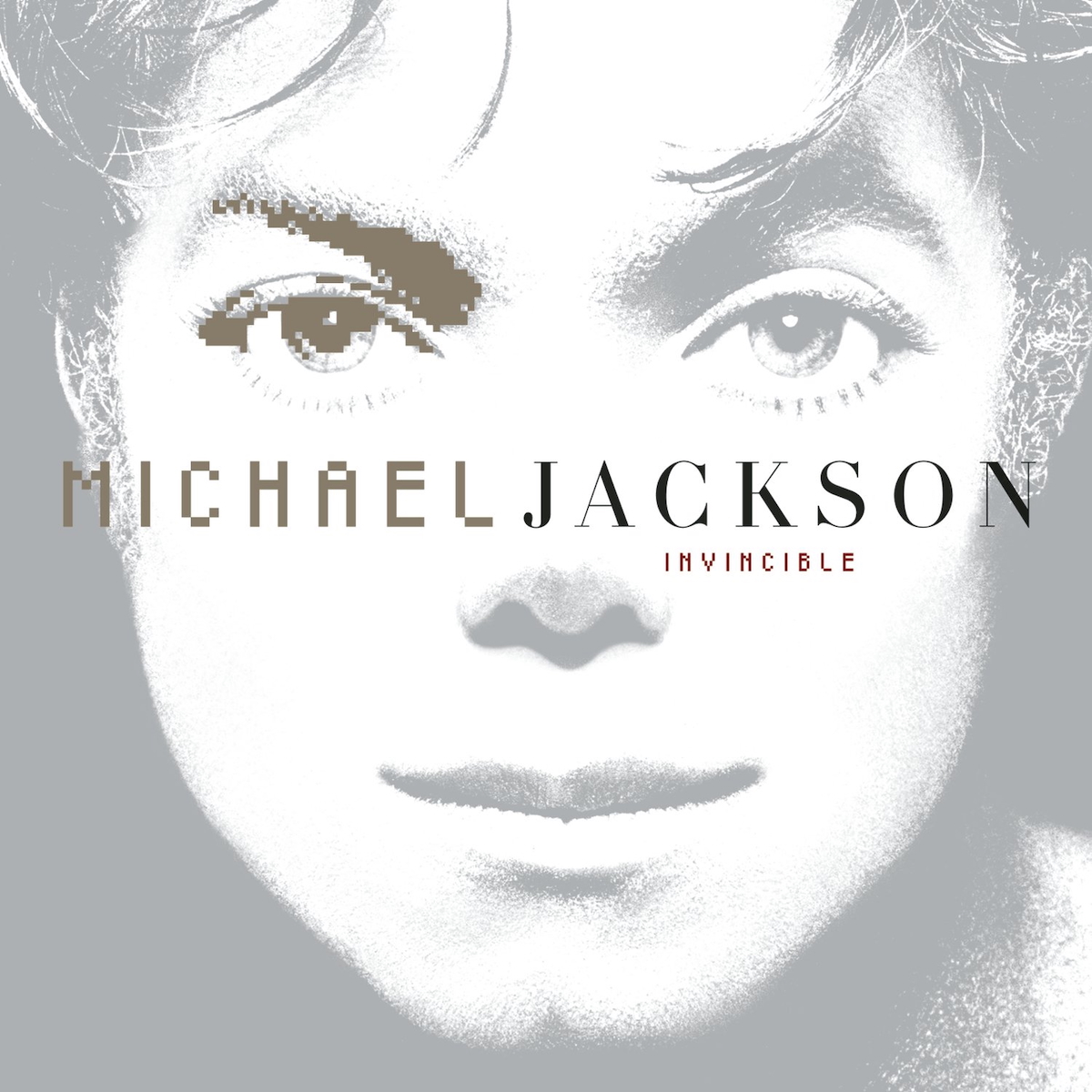
Released a week after the September 11 tragedy, Invincible it was supposed to be the revenge album for Jackson, who hadn't released an album for six years. This won't be the case, thanks to essentially non-existent promotion and general confusion within the album. It's a shame, because with a less fragmented production and perhaps with fewer people involved, Invincible it could have had much more importance. This is demonstrated by the substantial revaluation over time, as well as by a series of musical solutions that will be taken up to some extent by all the successful R&B of the new millennium.
-
5
Dangerous
1991
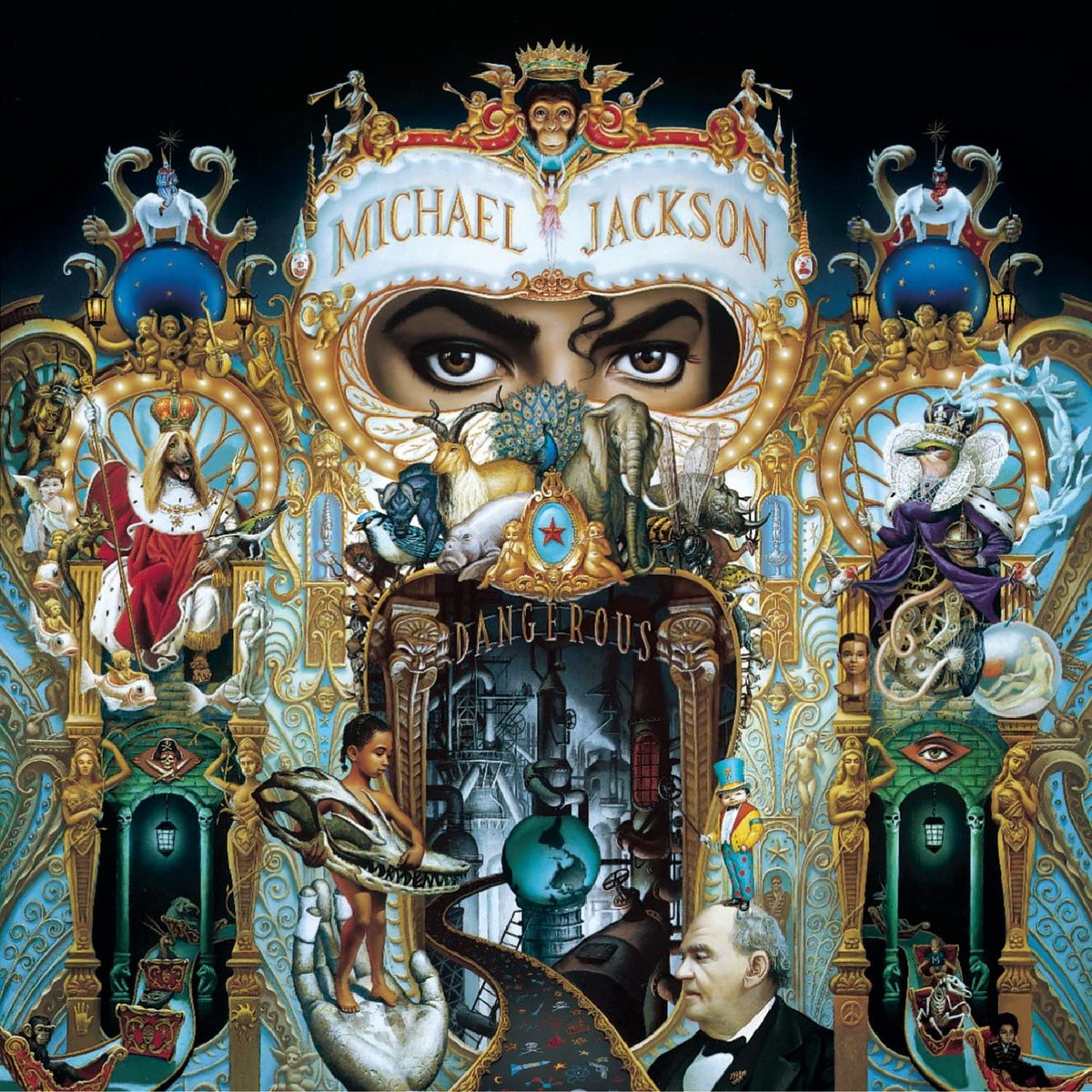
Pompous, exaggerated, overproduced (not by Quincy Jones). It is all this and much more Dangerousthe last true testimony of the Jacksonmania that had hit the world for a decade and for which there seemed to be no effective antidote. Determined to veer towards that New Jack Swing that his sister Janet had already embraced for some time, Jackson entrusted the production to Teddy Riley, effectively giving life to a new phase of his career. There is no lack of continuity with the past, but the sounds become more current and in some cases come closer to rock than in the past. Stars and musicians of all backgrounds continue to queue to collaborate with him, above all Michael Jordan, Eddie Murphy and Macaulay Culkin. The guitar hero this time is Slash. The grunge wave and the first legal troubles, however, are just around the corner.
-
4
HIStory
1995
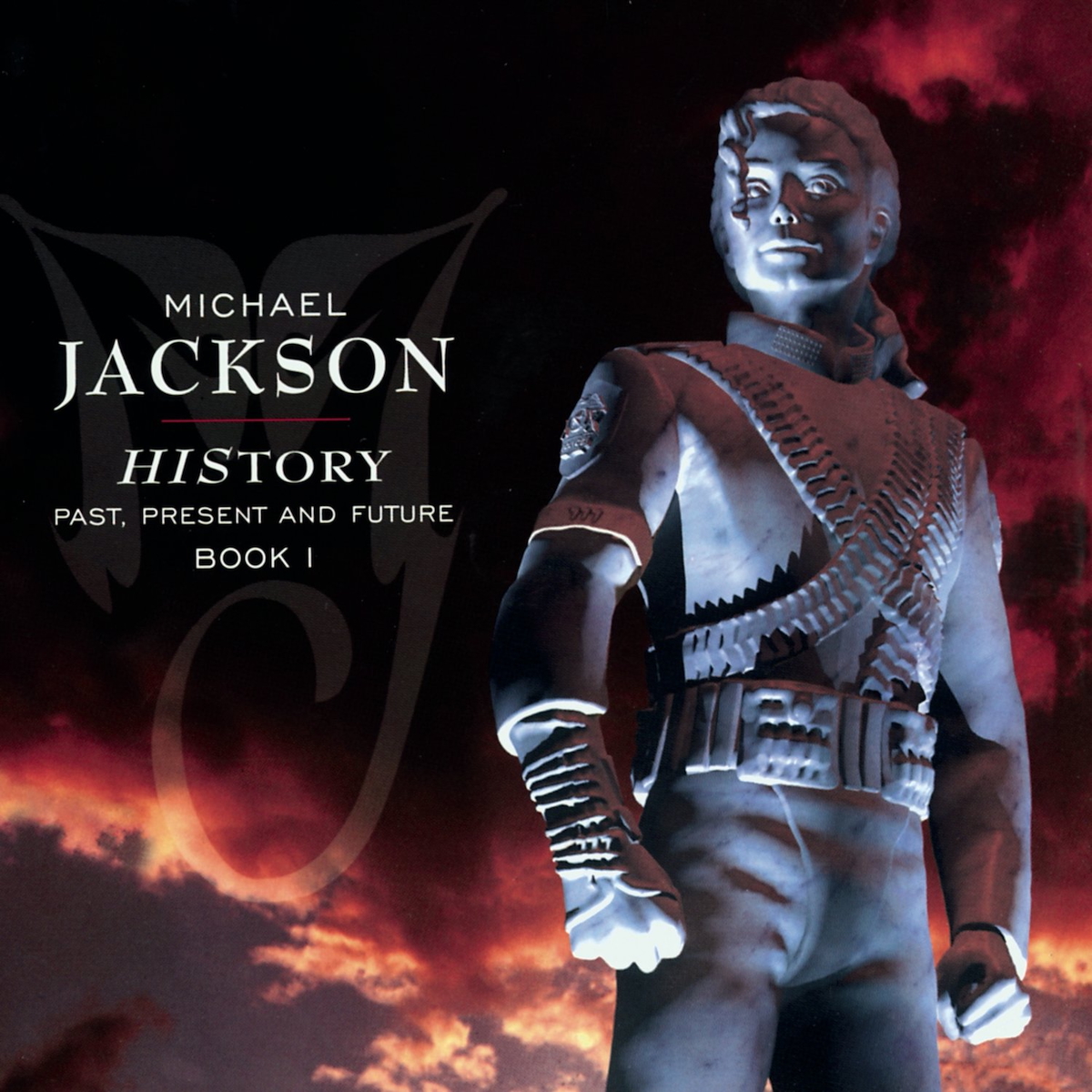
In recent years Jackson has been present more in courtrooms than in recording studios, but he has not lost the grandeur that has always distinguished him, nor the desire to return to the top of the charts. The idea is that of a greatest hits combined with a brand new album, one to tell its story and one to continue it or, if we want, start again from scratch. It's an ambitious project and probably with some avoidable filler, but it once again demonstrates Michael's melodic talent and ability to master every side of the music biz. There are so many hits, from Scream with sister Janet a Earth Songpassing through the classic ballad You Are Not Alone And They Don't Care About Uswith video by Spike Lee. Some people talk about him as a finished artist, but HISstory: Past, Present and Future – Book I it is one of the best-selling doubles in history. That he was in an excellent moment is also confirmed by the unreleased songs on the appendix disc Blood on the Dancefloor (HISstory in the Mix).
-
3
Bad
1987
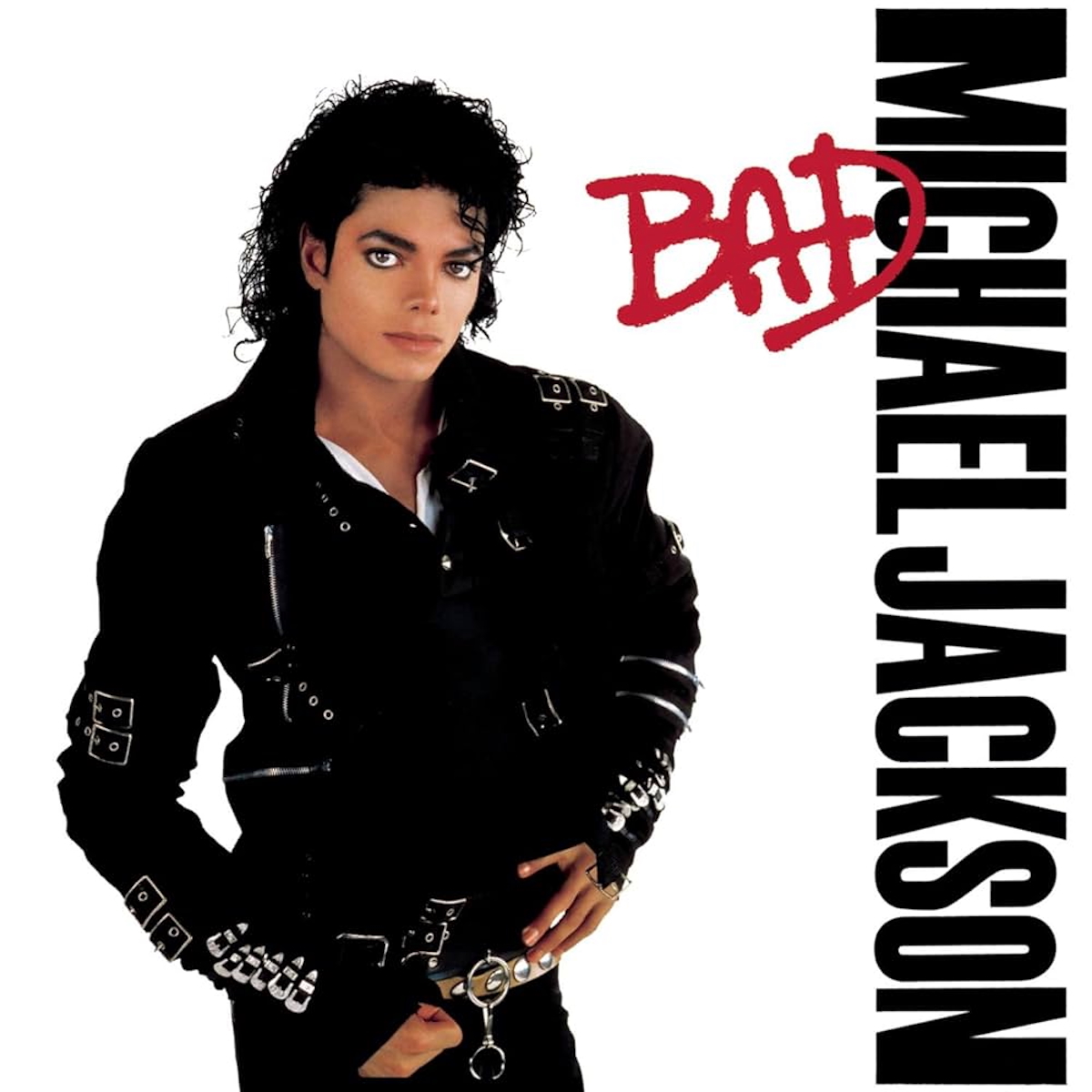
How do you surpass the best-selling album in the history of music, still in the charts when you're about to release the next one? Jackson became the biggest star in the world, probably the biggest ever and this had significant repercussions on his mental state. The bizarre behaviors, regularly stigmatized by the tabloid press, increase dramatically, but do not undermine Jackson's inspiration, who even thinks of a triple album. Quincy Jones appeases him and does well: the duet with Stevie Wonder has been removed Just Good Friendsall the other songs on the album will be released as singles and five will go straight to number one in the charts. Something never seen before. Many missed duets and collaborations, Whitney Houston, Diana Ross, Barbra Streisand and even the “enemy” Prince, but the one with Steve Stevens on Dirty Dianawith which we try to replicate the experiment of Beat It along with Van Halen. It is his second best-selling album.
-
2
Off The Wall
1979
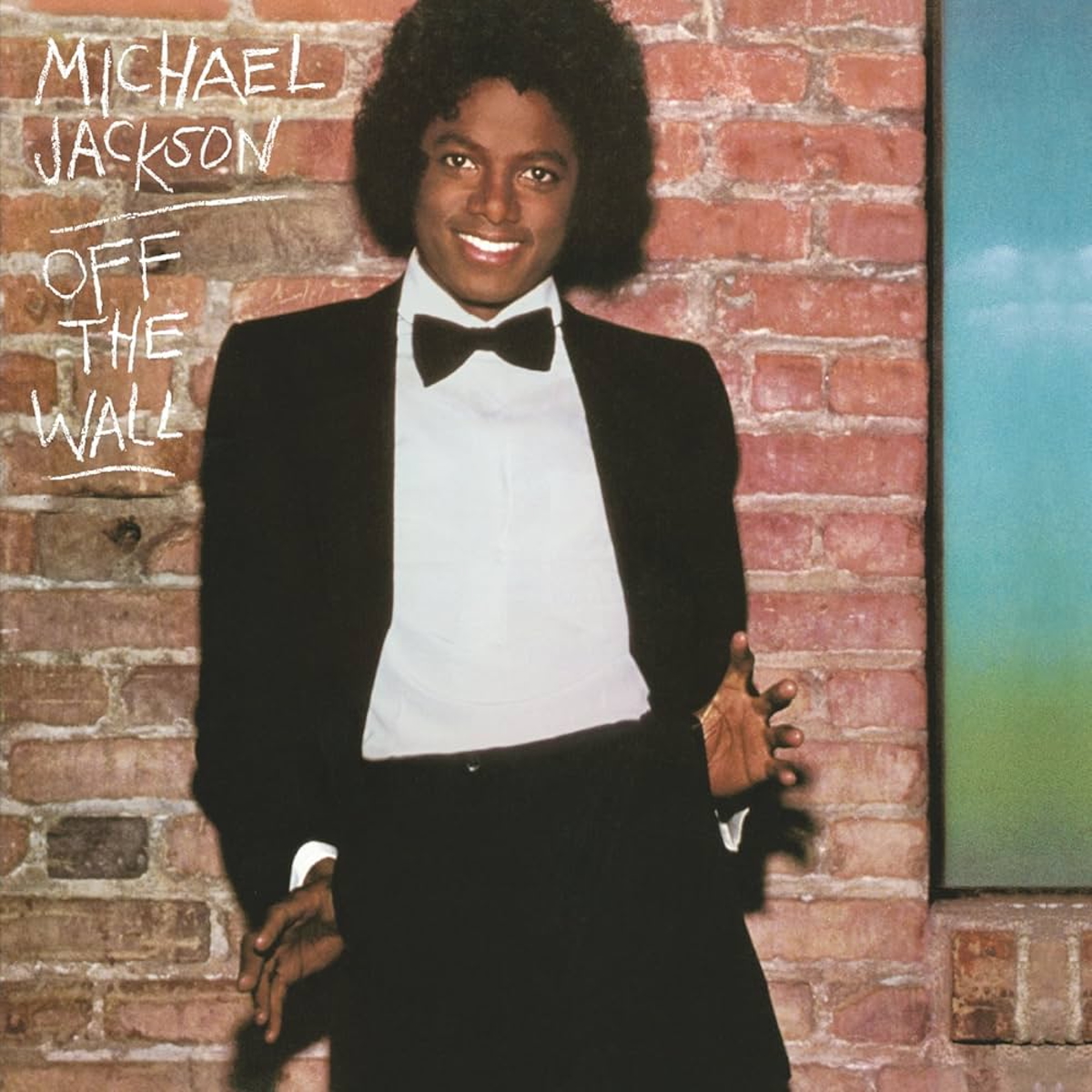
Four years pass between Jackson's last solo album and Off the Wall. In the meantime, fed up with Motown's lack of interest, the Jacksons signed a golden contract with Epic, who also grabbed Michael and, in fact, made the deal of a lifetime. Quincy Jones met Jackson at the age of 12, but it was only after working with him that he The Wiz which triggers the agreement. Jackson now writes, composes and manages to free himself from the family band. The success is immeasurable and Jackson becomes the first artist in the history of music to place four singles from the same album in the Top 10 of the Billboard Hot 100 (two of which directly at number one): Don't Stop 'Til You Get Enough, Rock With You, Off the Wall And She's Out of My Life. According to legend, once he discovered that he had only received one Grammy, Jackson burst into tears, promising himself that with the next album he would become the greatest performer ever…
-
1
Thriller
1982
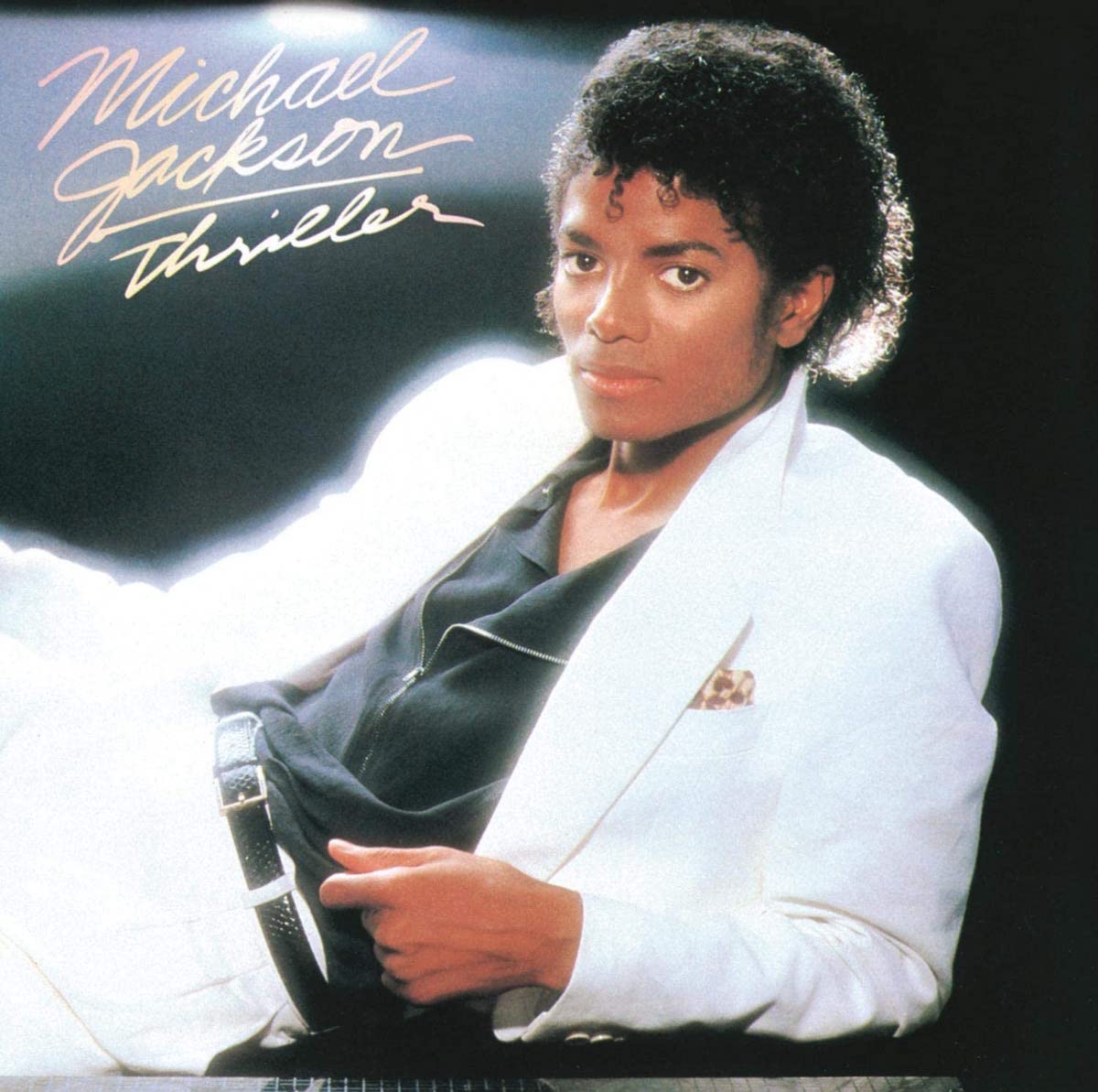
«If you take a work like the suite de The nutcrackerevery piece is deadly, every one. So I said to myself: why can't there be a pop album where every song is a hit?”. With this intent the team that worked on Off the Wall he got back to work in April 1982. The backing band was practically that of Toto, almost complete. The obsessiveness of Jackson, who this time wants to support Quincy Jones in the production, takes another leap forward if possible: he is the first to arrive in the studio and spends the nights learning the songs by heart to record them rigorously in the dark and without distractions. It's hard to say what makes it Thriller what it has become is certainly the union of several factors: a further sonic evolution, which still starts from funk and R&B, but which touches all genres, a work team that borders on perfection and a handful of hits that mark the decade. Seven singles in the charts, eight Grammys, eight American Music Awards and the video for Thriller which, in fact, kickstarted the decade of MTV. With Jackson still alive, the album became the best-selling album ever in the world.