
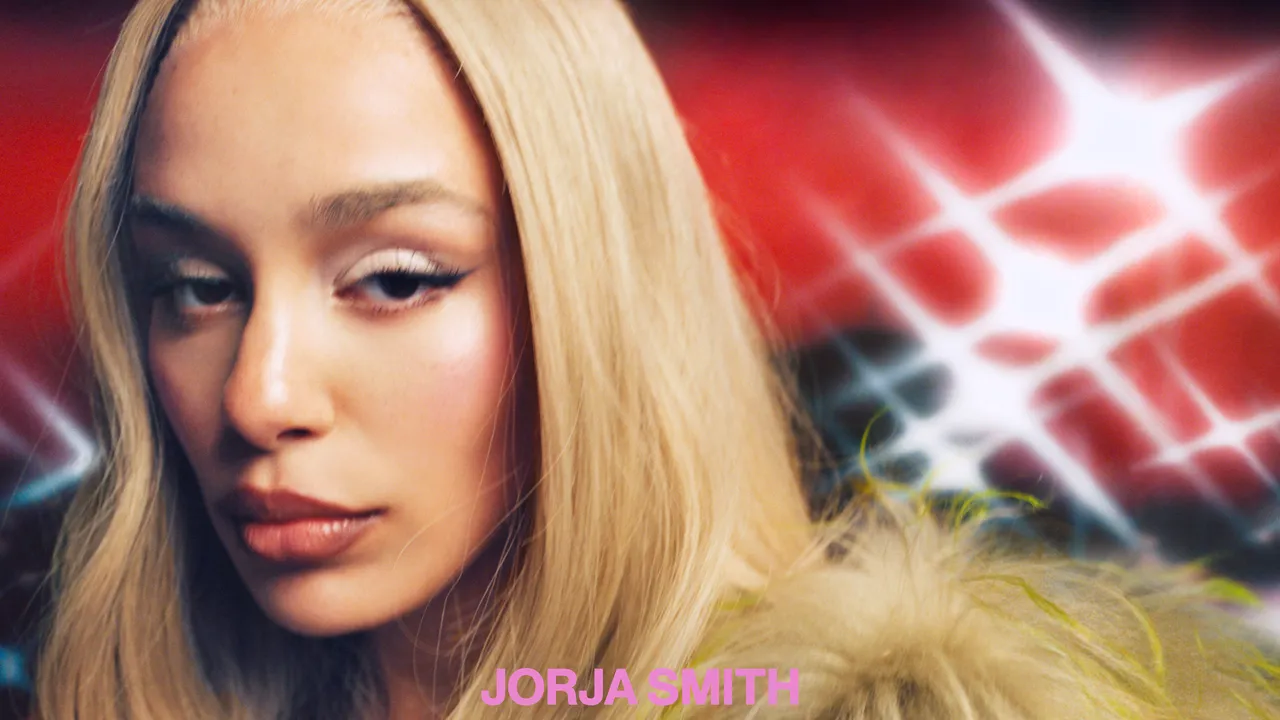
Jorja Smith says her fundamental intention for What Are the Odds is that listeners “move and be moved.” She comes closest on “What’s Done Is Done,” an old-school UK garage track with a woozy, G-funk looseness. The snake charmer’s melody gives the R&B singer plenty to tease, and she’s in command as she sends her ex packing. It’s a rare burst of momentum on her third album, where more often than not, Smith sounds like she’s late to the party, fitting herself around the beat instead of giving it shape.
A year after 2023’s Falling or Flying, Smith took a break, at least by pop-star standards. She released deluxe and reimagined editions of that album, toured, and dropped a bunch of singles, including one for the soundtrack of Riz Ahmed’s Bait series. But she pulled back from social media, telling British GQ that she’d faced online scrutiny of her body. Then, last October, the British dance act Haven released “I Run,” a viral EDM track with vocals that sounded so close to Smith’s that the internet briefly assumed it was one of her unreleased recordings. Her label, FAAM, leveled accusations of AI cloning and sought royalties.
No score yet, be the first to add.
Smith has spent the time between albums trying, in different ways, to reclaim ownership of her image and voice, which makes the emotional distance she maintains on What Are the Odds feel somewhat intentional. She always sounds like Jorja Smith, but throughout the record, she’s drenched in reverb or blurred by soft-focus synths. Hovering at roughly the same level as programmed percussion, her voice often registers as just another element in the arrangement. The effect is dreamy and sometimes hypnotic, but it keeps her performance at arm’s length. Smith rarely takes risks or experiments with her range, either. She briefly dusts off her rapping on the title track, only to cringe up the moment quoting Oliver Twist.
Opener “For Life” sets the spacey mood that the album rarely escapes. Twinkling digital tones, skittering drums, and orchestral flourishes furnish an off-world club space. Producer P2J constructs a frictionless, synth-heavy soundscape, blending two-step garage, UK funky, and house. With few changes in atmosphere, the tracks begin to blur by the second half. The production sameness would be easier to bear if Smith’s lyricism introduced more friction of its own. “What you say, how you move, shit you do don’t align,” she gripes on “Pretend,” chewing out a lover whose words don’t match their actions. But other songs fall back on more generic breakup language (“I lied, you lied,” “What’s done is done”) without the same sense of conflicted emotion or lived-in detail.
She keeps her feature list characteristically small, bringing in grime rapper Devlin and Afrobeats star Wizkid, but neither collaboration leaves much of an impact. Wizkid’s appearance makes sense given his longstanding work with P2J, and their track is breezy and easygoing as you’d expect. But I’d have much rather heard a song like “Crush,” Smith’s collab with AJ Tracey, which samples Brandy’s “Love Wouldn’t Count Me Out” and displays a cheekier side of Smith that this album badly needs.
Daniel D`Amico for SANREMO.FM