
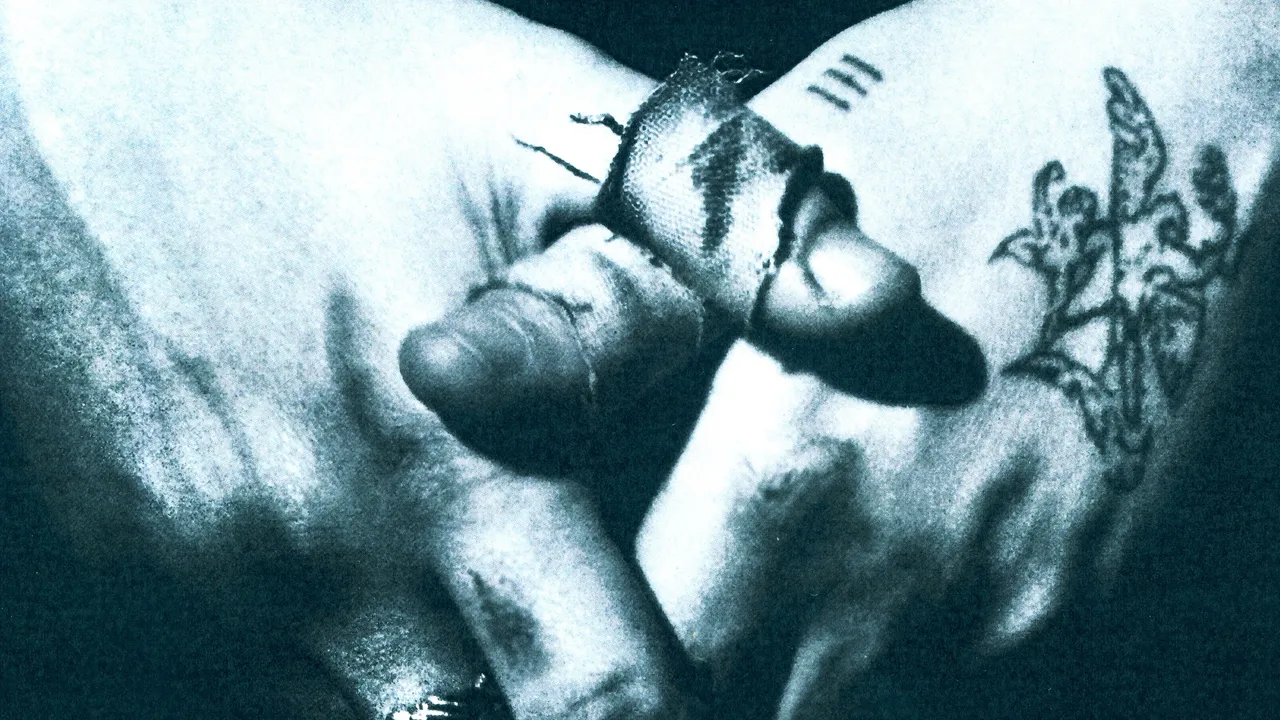
Something about the album resists a quick approach, coating even loping jams like “Galvarino” in a sullen patina. Maybe it’s that vocal tone, which has a bit of a rapper’s brusqueness: he can impulsively meld with his FX chain to prod out at you or sink away, making him sound like a few people at once on “Dummy.” Or maybe it’s just the density of sketchy ideas per song. Consider mk.gee and Dijon’s experiments with space and dynamics over the past few years. (Dijon has been regularly working with Brockhampton alumni since contributing backing vocals to SATURATION II, and he’s a longtime friend and karaoke buddy of Ciarán’s.) Last year’s Baby accumulates lots of sonic tweaks and digressions, but they’re organized by the gated thwack of those Minneapolis drums, which cleave pockets of space around the songs so the hooks have room to breathe. Róisín doesn’t admit air as readily, at least not in these recordings, and its sense of intimacy prioritizes addition over subtraction: more soundclashy samples, more grain, more fingerprints on the canvas. On “K-Bar,” when Ciarán coos about how “we could both be girls,” you can almost see remnants of some other, bigger songs, hastily traced and then smudged away.
The mechanics of Ciarán’s sound can be clunky when outfitted for the small, melodramatic material he tends to write. “RED 99” vamps through a melody of just a few notes and a lovestruck vision of a car: “In my red ’99/Parked on the side.” To graduate from a stock concept to a real observation, picture-of-a-picture imagery like this asks for delicate framing. As Ciarán keeps singing the refrain, folds in maudlin strings and turns his “ecstatic vocal stacks” dial up to the max, it’s jarring, like encountering an unfamiliar prestige drama in the middle of its season finale. I can feel the height of the intrigue and it’s giving me vertigo: What is it about this car, these characters, that requires a fragged-out crescendo chorus?