
From its inception, hyperpop was interested in how female vocals could be pitched up, chopped into confetti, and made to ricochet off of latex, titanium, and rubber. The blander and more disembodied the vocals, the more easily they could be fed into producers’ particle colliders. By bouncing off extremes, they seemed to echo the divergences of life as lived online, between anonymous trolling and the sincere desire to be known and understood. And though a collective like PC Music could count funny, intelligent, and flat-out visionary women among its ranks, the group’s deadpan distance from its source material stoked some real anxiety about their intentions. How much of their vocal manipulation was purely aesthetic? Or was femininity a joke to them too?
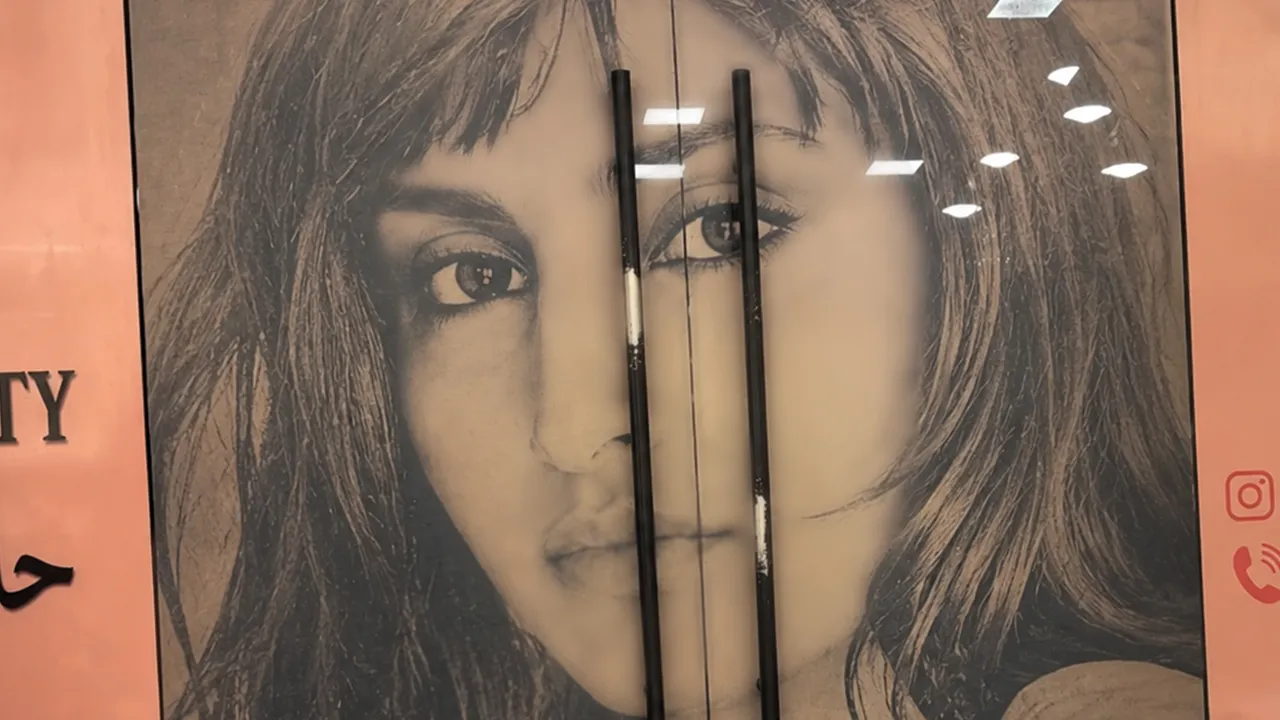
As hyperpop has matured, newer artists have taken its signature shimmer and held it up to themselves like a cracked mirror. In the past year, there’s been a whole range of eclectic, highly original, friction-filled records by singers who have adapted the genre to suit their tastes and multifaceted identities. Count Zeynab Marwan as one of the most fascinating among them. As Thoom, the L.A.-via-Beirut artist brings two kinds of intensity to the table: a taste for bloody-minded club antagonism and a gift for pop dramatics that’s as indebted to Lady Gaga as it is to Lebanese divas like Elissa, Haifa Wehbe, and Nancy Ajram. On her debut mixtape, Everyday, Everything Is at Stake, Thoom links up with Dylan Brady and Bassvictim’s Ike Clateman to fuse hyperpop with Arabic instrumentation, blowing up mixed emotions to a massive scale.
No score yet, be the first to add.
On early releases, Marwan purposefully hung back in the mix, using her voice to tinge the atmosphere of unnerving folk ballads and trippy ketamine lullabies. As her music has become more visceral—consider the gnarliness of “Cortisol,” “Feral,” and “American Terrorist” (no, not that one)—she’s pushed her instrument to the fore. Marwan’s voice is remarkable, capable of the syrupy melody prized in Arabic pop as well as a menacing noir edge that can flip from headlong abandon to teeth-baring aggression in an instant. She is a star student of Lebanese alternative icon Yasmine Hamdan, and shares her gift for luxuriating on a phrase and then exhaling it in a plume of smoke. Over slow-motion drum machines and a slinky oud progression on “Morocco,” Thoom quietly fumes over a flaky lover’s cruelty. “What you do/Will come back/To haunt you/The rest of your life,” she whispers ominously, sounding out each monosyllable as if reliving the injury and relishing the thought of revenge.