
Radio and MTV ruined Pearl Jam. Sure, those outlets, indispensable for hearing music in the early ’90s, made Pearl Jam into a true rock monster with Ten. They catalyzed an ascent so rapid and consummate from 1991 to 1993 that the band could have never made 1993’s follow-up, Vs., or anything else, and they’d still be immortal radio-rock titans. “Alive,” “Even Flow,” “Jeremy,” even its B-side “Yellow Ledbetter”: Pearl Jam’s singles were so massive that the band demanded its label not release “Black,” in an attempt to stanch Pearl Jam pandemonium. It remained an album cut but almost topped the charts, anyway.
Those songs created an intractable popular image of Pearl Jam as a self-serious and overemoting bro band, led by a singer who sounded like a pirate always eating peanut butter powder and surrounded by unleavened guitars that refused to let any air in or out. They were the grousing grunge band with the video where the schoolkid kills his peers, even if he doesn’t; with the ticketing policy that meant they wouldn’t play your town, even if they were just trying to save you money; with the dreamy, macho, sensitive frontman who resented being an object of attention, even if that was the most natural reaction to the whole world suddenly watching you. Mention Pearl Jam, and this is the band most people rightly picture.
No score yet, be the first to add.
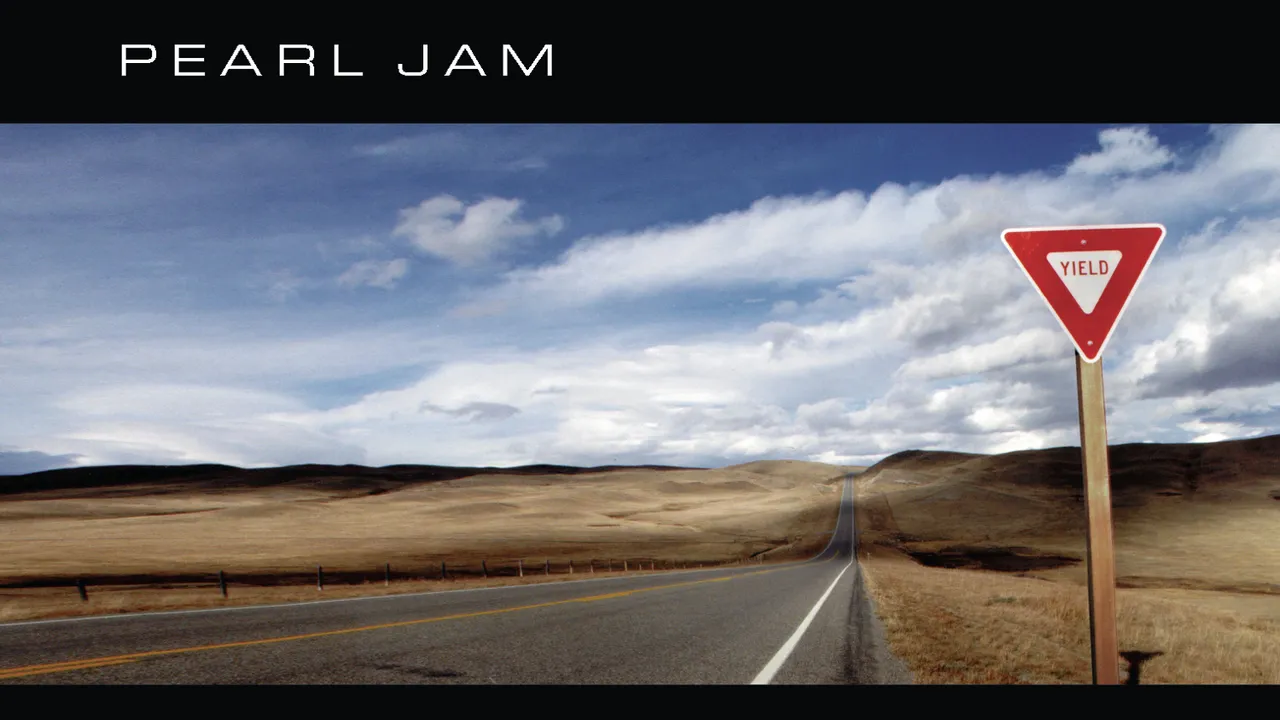
Released in February 1998, however, Yield is the work of a band humbled by tragedy, catastrophe, and suddenly slumping sales. Yield is neither the most important Pearl Jam album (that would be the frame-shifting Ten), nor the most complicated (that would be the pinballing Vitalogy). But nearly three decades on, it is the most compelling album they ever made. It is the sound of five aggrieved but idealistic men entering or nearing their mid-30s and coming to terms with the limits of their power and the complex feelings that can evoke. Pearl Jam tried to change the world, a quest that nearly split the band open. On Yield, they reckon with that reality by trying and sometimes failing to bail on the mission, by trying to be a band that simply enjoys being a band again. Yield is, at turns, embattled and mean, regretful and gentle, sad and broken—feelings Pearl Jam certainly had during those first four albums but that they never before or again captured with such candor, depth, and warmth. Yield is about giving up the fights of your life so you can go on living, then instantly wondering if you fucked up.