
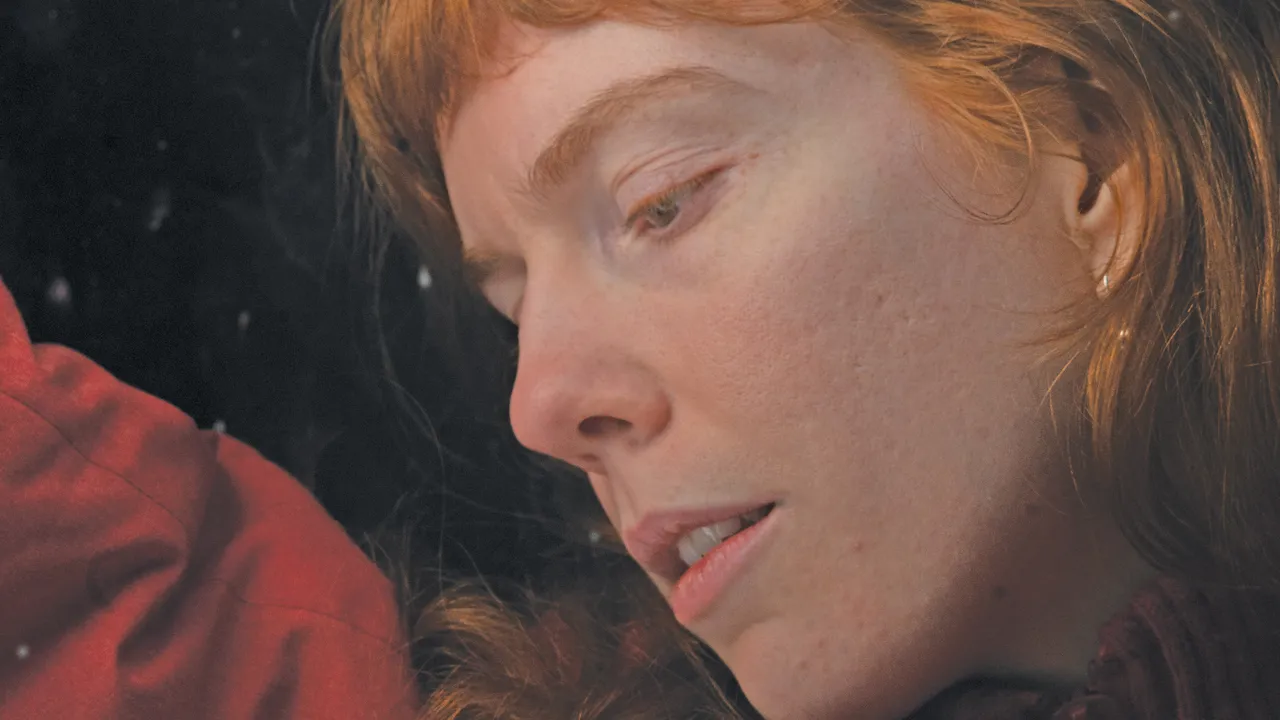
The songs on Elanor Moss’ debut album magnify quiet moments and intimate memories: chirping bird song, a sigh, the image of clothes washed in a hotel sink. In Moss’ care, these vignettes take on outsized meaning. A note elongates until it blossoms into a revelation; subtle shifts in perspective open up new ways of relating.
Moss made the record after scrapping an entirely different album. She found that one “a bit rollocking,” so she rented a cabin near her parents’ home in the Scottish highlands and started over. In this solitude, The Knife, The Needle came together—a collection of hushed psych-folk songs about how interpersonal tension offers a chance for further connection. Throughout the album, Moss wonders if misunderstandings could be reinterpreted more generously, if pain that is carried alone could become a communal responsibility, if something new could blossom in the cavity of a broken heart, nurtured by the lessons of earlier loves.
No score yet, be the first to add.
The narrative turning point of many of these songs arrives via a shift in perspective, rather than a change in circumstance. On “Fixer,” Moss remembers drunkenly swaying with a lover while fearing what might happen if they reveal their darkest selves to each other. Her vocals turn gauzy and diaphanous, as if straining from the effort of considering such a betrayal. But in the end, a thought comes to her: “Maybe what we thought of as a knife,” she sings, “is just a needle we could use to stitch the wound.” The song ends triumphantly, with a golden horn and saxophone outro as rich as late July afternoon light.
Similarly, throughout much of “Secrets of the Universe,” Moss sits at the kitchen table with another person, ruminating on how little they know each other and how much more she wants from them. But rather than lament the distance, she ultimately chooses to see the unknown as an opportunity: “What I thought was a wall was a door/That you open more and more.” The work of nurturing a relationship, then, isn’t just in navigating another person’s quirks or flaws, but in choosing love—its endless optimism and generosity and potential—as a lens through which you see the world.
This isn’t to say everything on The Knife, The Needle resolves neatly. The album has its share of genuine anguish: On “Sarah Waiting in the Car,” Moss recounts, “You take me by the kitchen sink/Fist around my neck,” describing the kind of abuse that cannot be easily willed away or forgotten with a positive mindset. On “Louise,” she sings about anger and cruelty passed down across generations: “If it’s what you got, it’s what I get,” she sings, reaching not contentment or forgiveness but simply an understanding of where the pain comes from. These narratives add emotional depth and nuance to the record, and make Moss’ efforts to find love elsewhere feel all the more profound and resilient.
In Moss’ songs, she channels the patience of Bedouine, the wisdom of the Weather Station, and the dreaminess of Vashti Bunyan. Horns croon lonesome and melancholy over fingerpicked guitar and swooping strings as she stretches words until they feel like memories and meditations. Her sonic approach imbues the music with intimacy and tactility—the quiet wonder of a scene in a snowglobe—but this quietude also limits its scope. Her perspectives and images feel idiosyncratic and particular, but some of the lyrics feel more like sketches than stories. On “You Are Coming Home Tonight,” Moss mentions clothes on the line, yellow daffodils, and sleepless nights: a series of lovely images that never quite cohere into something greater. Especially when the arrangements are similar song to song, the world we’re in can feel a bit contained.
Daniel D`Amico for SANREMO.FM
