
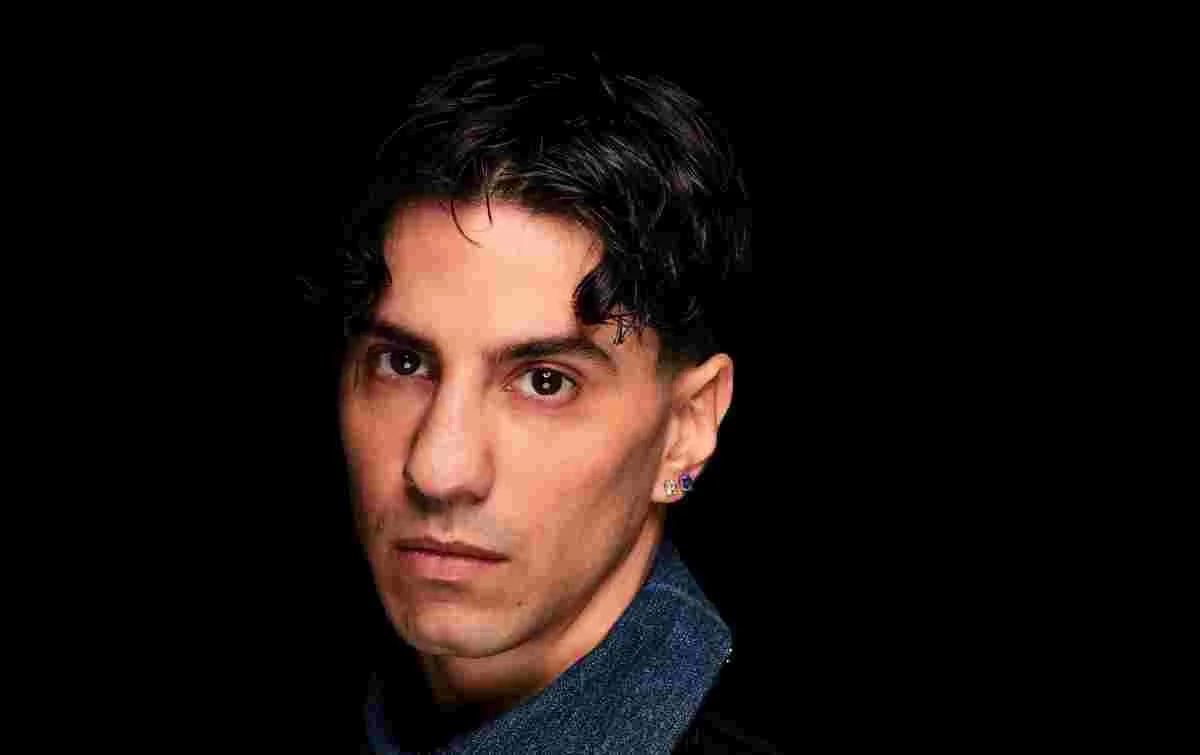
The last time we interviewed him, Mario Molinari known as Tedua showed up to the meeting more than an hour late. In a very serious manner he sat down, briefly apologized, justifying this disaster for his PR team, given the long list of interviews scheduled, with a rather worrying justification: having missed reading all the comments on social media after the announcement of the tracklist of the Paradisethe latest chapter of his ambitious Divine Comedy. No reference in the candid revelation of this obsessive control of his online reputation, of what others think of him. Because deep down, in a game of ego, Tedua knows he is a talent, but he still needs everyone to confirm it to him.
Well, Mario's worst enemy is Tedua himself. Or vice versa. And the new mixtape Ryan Ted it is a bit of a mirror of this conflict. It's a return to the origins, to the OC universe, but perhaps not in the way its fans thought. It is certainly a return to an exaggerated Tedua in having to tell himself, in having to reiterate – a hundred times – that he will do San Siro, with all the necessary coaxing. “This refrain is right from San Siro” he concludes speaking into the microphone Neverone of the most blatantly pop songs of the 16 that make up the setlist. The same goes for the ending of the video Chuniriwhere ours quickly travels by car to – guess what? – San Siro. Ryan Ted it thus becomes a mere accessory to remember, remind us, remember this event. To catalyze a moment of high tension, and attention, around the project. It's a great commercial for itself.
Ryan Ted it lacks the gravitas of The Divine Comedy Ryan Ted are the ideas, except in certain rare episodes such as Letter to Teduathe song that stages a vitriolic exchange between a fan and Tedua or perhaps, if you think about it better, between Mario and Tedua.
“There is nothing worse than wasted talent” Robert De Niro's character explained to his son in Bronx. And to listen Ryan Ted we would like to repeat this in Tedua. The boy undoubtedly has talent and San Siro is a destination (especially today which is no longer the place for very few) more than earned. But this somewhat superficial attitude – like a quick rap game – really risks messing up our image of Tedua.
Sometimes not doing is better than doing badly. And Tedua had understood this well during the writing process The Divine Comedy: to do sensible things that last, you need time, desire and concentration. The rest is ash from a fire. And today Tedua seems too distracted by San Siro to really focus on the music.
It will do the numbers, but what are the numbers? Numbers don't speak to the subconscious. They dress you better, sure, but they don't protect you from nightmares at night. And Tedua sometimes still seems imprisoned in this room of ghosts. Let's hope that San Siro is as grandiose as the expectations that Tedua has decided to shoulder.
Daniel D`Amico for SANREMO.FM