
In the era of the vulgar high to paradigm, of the crowd absurd to the meter of evaluation, of shock as a way of managing public affairs, we need artists like Will Stratton. The folk of the Californian musician residing in New York is a conditioner that soothes pain, inspires the best feelings, enriches a life made of whites and black with pastel shades. His poetry is invective against the distortions of a society towards the abyss and indulgent caress towards the lives of people made of failures, half -experiences and illusions of a (American) dream that does not exist. Will Stratton's “I” is a “we” who unite us and makes us human as interconnected; It is the delicacy we need in dark times, it is the loving jumping out of those who suggest you to raise your head and live proud of your imperfection. We are therefore light years away from'Hyper Pop dominant the rankings and consciences. We are in the possibility of welcoming grace and kindness. That's all.
Stratton began his career in 2005 with the album “What the Night Said”, who already smelled perfumes at the Nick Drake thanks also to the collaboration with Sufjan Stevens. In 2021 he released his most relevant album, “The Changing Wilderness”, which blend, in a admirable harmony, a delicate folk with the protest messages towards a harbinger society of injustice. The recalls with tutelary gods such as James Taylor and his melodic research, as well as in contemporaries such as Keaton Henson and his suffering way of expressing emotions were evident. Delicate voice, centrality on guitar and harmonic plots for a bunch of songs that remained in the heart.
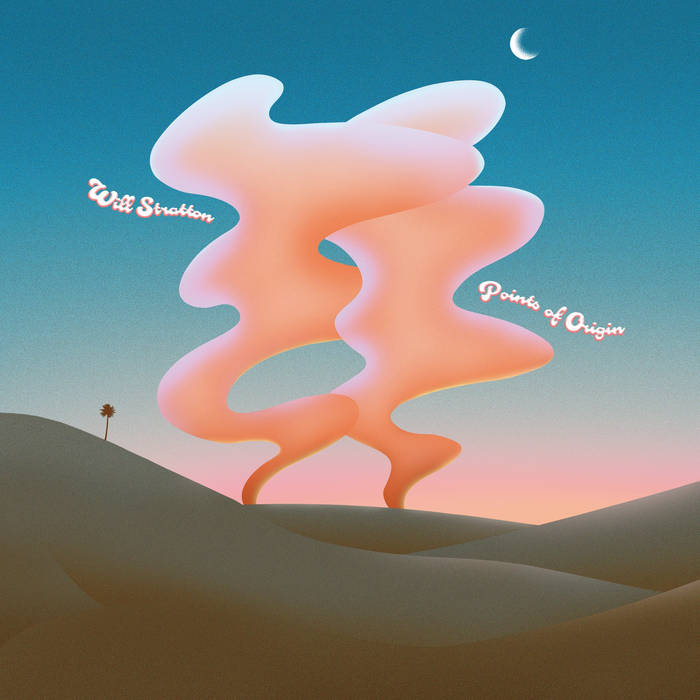
“Points of Origin”, published by Bella Union, comes after four years to renew the musical message of Will Stratton. Less focused on the guitar and enriched by piano and violin, the album best represents its ability to tell individual stories to get to universal themes such as climate change and, in this case, the fires that have devastated California. Thanks to the contribution of Sean Mullins (drums), Hannah Frances (Cori), Reid Jenkins (violin), Phil Keaggy (electric guitar), Joshua Marre (guitar and mandolin) and Dandy McDowell (bass), Stratton paints ten watercolors to be handled with care.
The initial “I Found You” opens with a weak plan and a hint of saxophone and then stand on the guitar arpeggios and tell stories of people on the run, such as those that every day are looking for luck in the rich countries: “The Lost Track of Family When I was 19/ My Sisters Were Drifters and Old Magazines/ My Brother Took in By Anglican Priest in Amador County, but he's since Deceased “.” Jesusita “rests on the guitar, its pinched strings and a melody that caresses the listener; The piano is in the background and traces the line of a song that James Taylor would appreciate a lot. “Firewatcher” approaches the panache of some songs by Al Stewart and is essential in telling of the danger of fire seen by those who have to control and stem it: “Now Half My Friends Are Crazy and at the Bottom of a Glass, here and here I am, suspended with the Sun Careening off Tiago Pass”.
The minor agreements give a dramatic tone to “Delta Breeze”, a song with a piano base that recalls certain atmospheres to the Eagles and tells of the reflections of an aeronautical engineer who in the evening, after a hellish day of fires, gets caressed by the breeze that took away the smoke and thinks about how much it is worth committing if everything goes in smoke. “Sentinela” says, with all the sweetness of which Stratton is capable, the story of a prisoner in the Imperial prison that became a sort of mediator of the conflicts between guards and prisoners. A beautiful soul in the ugliness of the prison.
Each Will Stratton's album is a blessing and we all know how much we need it: “Points of Origin” caresses, embraces, takes care of our soul.
26/04/2025
Antonio Santini for SANREMO.FM