
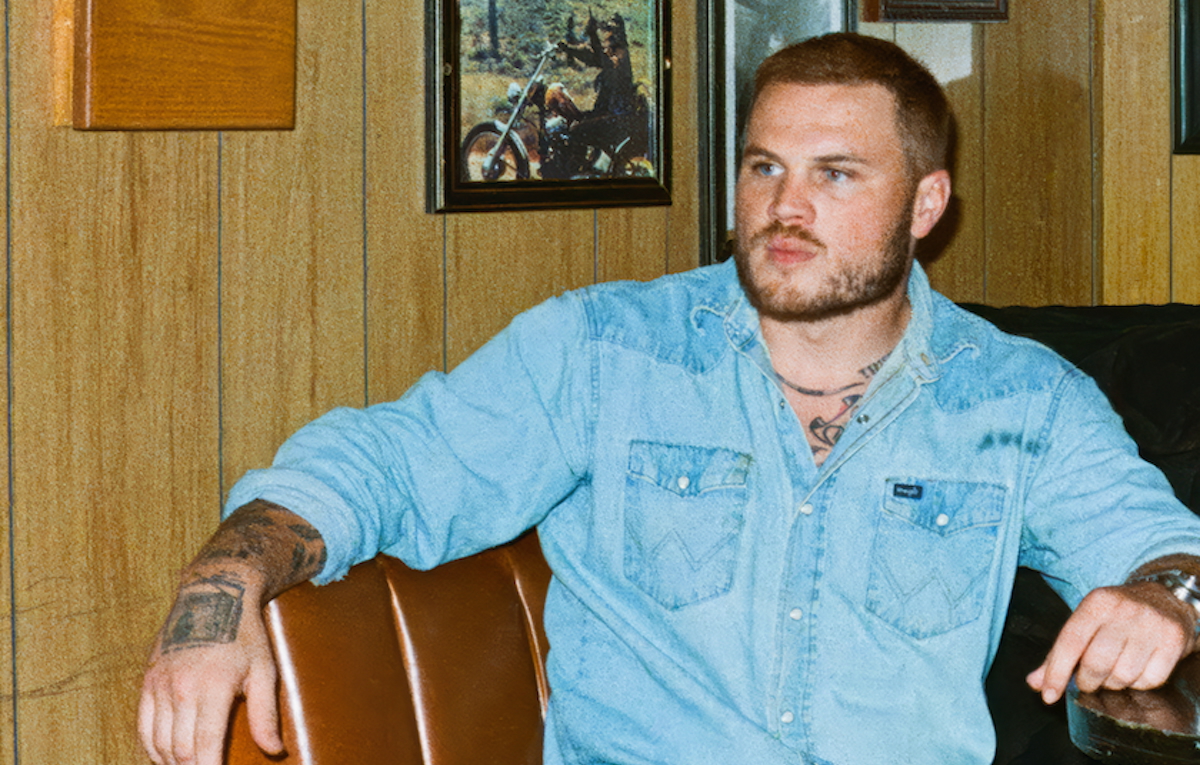
In the piece that opens the new album With Heaven on Top Zach Bryan enjoys life in a place you wouldn't expect to find him. He's not on a boat fishing in a lake in the South or even drinking a beer in a bar in Philadelphia: he's running to escape the bulls in Pamplona. In Runny Eggs he recounts the experience in a montage worthy of a film, in a travel diary that takes him from a road trip in California (“where the heartless people are”) to a party in Brooklyn up to a concert in Colorado in the snow in front of 10 thousand people, and then memories of family and conversations with God. The meaning is clear: those bulls are not so different from those that are raised in his area, in the plains where he grew up. You can ride them, dodge them, or get knocked over. And how lucky that Pamplona rhymes with Oklahoma, the state where Bryan grew up. “Wherever I go, I pray that I can always find home,” he sings. Sometimes it seems that certain autobiographical songs write themselves.
Being a brilliant author with a flair for deep meaning, in other words a first-rate bullshitter, ensured Bryan a resounding success in the United States. It wasn't that long ago that he was an ex-Navy guy playing covers at a Potbelly. Today he is a rock star and a poet of the people capable of filling stadiums with fans who sing every single word of his vivid and ultra-recognizable stories in which he counts the mistakes he has made and the regrets, in an attempt to understand his place in the great American epic of broken hearts. The previous album The Great American Bar Scene it was impressive (19 tracks) and had every appearance of being a point of arrival. It also contained an extraordinary single, Pink Skiesabout when you clear out your childhood home after the death of a family member and accept that you have become an adult, even if your unruly days are certainly not over.
As of 2025, Bryan has not released a record. In the interview for our series Musicians on Musicians he told his hero Bruce Springsteen that «I feel like I've released a lot of music and that people have read a lot of things into it, even though in reality I was just writing songs. Now I want to slow down and bring things into focus.” His journey progressed at supersonic speed: in 2024 the media covered the end of his love story, in 2025 he stopped drinking and got married. But it is true that he has focused his career from a musical point of view. The 25 songs of With Heaven on Top they pass by the Americana of Sante Fe to the folk poetry of Cannonballfrom Mumford & Sons-style stomps to fine horn and string pieces worthy of the National. Quote an Elliott Smith classic in Anywaysmimics Elvis Presley in Rivers and Creekstakes something from the rural, working-class angst of Tyler Childers in Always Willin'. It is the most thoughtful and accomplished album he has released so far, to the point that he anticipated complaints about an alleged excess of production by releasing an acoustic version.
The album is emotionally raw, in Bryan's signature style. Skins it's an almost disturbing breakup song for how visceral it is, while Slicked Backwhich is very Tom Petty, pays homage to his wife and the positive influence she has on him (“I knew people who put everything online, but you paint landscapes in the evening”). DeAnn's Denimanother piece dedicated to the deceased mother, deals with the bright and dark sides of generational transitions. Do you fear that he has settled into his status as a spoiled celebrity? Know that he feels alienated and guilt-ridden. “Saying goodbye to what I was,” he sings as he flies over America in Airplane. In Miles he takes it out on his ex's high-class friends and faces the bitterness that comes from making a living by turning his experiences into an exploitable commodity: “They've got miles of me on the radio.”
Many songs talk about the decision to stop drinking. Say Why he tells, for example, of a relapse in an Ohio rest area like and turns it into a showdown of biblical proportions (he also literally carries his cross to the bar). “Everyone I know got older, told my drunk ass to get sober,” he sings in Appetite where there is a musician who travels around the province (“In northwest Arkansas? Playing for people who don't care about anything”) and talks about the nightmare that can happen to an artist when weaknesses take over dreams.
Twenty-five songs all about the life of one man is a lot, it's ten too many. Bryan still manages to keep your attention high by writing sincere texts, in which you can recognize yourself, whether you feel the distance from home, whether you are trying to go out a little less in the evening or whether you are simply disturbed by what you see on your smartphone, as in Bad News. It's a song that created controversy last year when it first appeared online as there was a line about ICE agents breaking down your front door on the list of American evils. Now it's included on an album that was released two days after an ICE agent killed Renee Good in Minneapolis and has dropped painfully into the present like few other songs in the world.
Bryan does not preach to the converted. Like Springsteen back in the day 41 Shotsis a star with many Republican fans. When the White House spoke out against the song last fall, it filled the statement with references to other Bryan songs, as if to remind him that culturally he is one of them and therefore a traitor. They're not entirely wrong. The people Bryan sings about in Bad News they don't look like him, nor do they look like the audiences at his concerts. Ironically, it may be his most authentically American song.
From Rolling Stone US.
Daniel D`Amico for SANREMO.FM
