If you purchase an independently reviewed product or service through a link on our website, Rolling Stone may receive an affiliate commission.
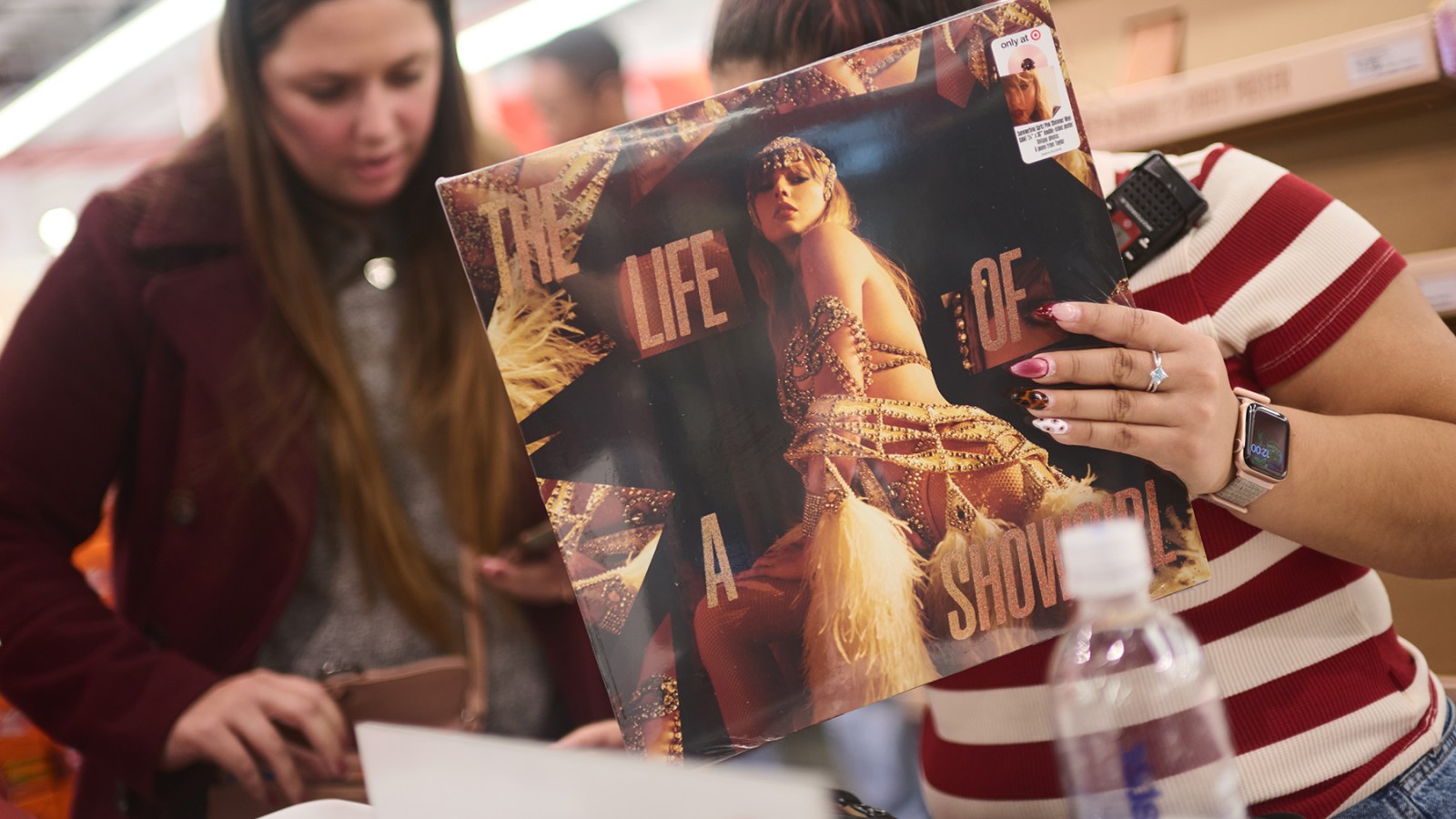
October is Intellectual Property (IP) Month — a fitting time for Taylor Swift to drop a new album, The Life of a Showgirl. Swift's 12th studio album is her first since buying back all of her original album recordings. It's the continuation of a narrative in which Swift has transformed legal maneuvers into cultural storytelling, converting IP battles into an asset that resonates with her audience rather than alienating it.
Reclaiming the Masters, Trademarks as Eras, and the Official-Only Funnel
Swift's reinvention of her IP strategy can be broken down into three moves: reclaiming her masters, staking trademark claims on her “eras,” and corralling fan energy toward official channels.
Swift's IP battle began in 2019 when Scooter Braun acquired Big Machine Records. Swift's masters from her first six albums were sold as part of the deal without offering her a fair buy-back option. In a statement, Swift said, “Scooter has stripped me of my life's work, that I wasn't given an opportunity to buy. Essentially, my musical legacy is about to lie in the hands of someone who tried to dismantle it.”
A year later, Braun sold Swift's masters to a private equity company. Swift responded by re-recording her work as “Taylor's Version,” using the power of fandom to devalue the original versions. Then, in May of this year, Swift announced she had bought back all of her masters, along with videos, concert films, photography, and unreleased works. “All of the music I've ever made now belongs to me,” she wrote in a letter.
But mastering alone isn't her only legal offense. Swift has also filed hundreds of trademark applications — including ones tied to merchandise lines and themes of her various “eras” — under her company TAS Rights Management. She's claimed trademarks over phrases, motifs, and even concert-era identifiers, legally codifying her aesthetic timeline. In effect, each era becomes a branded unit, ensuring that other parties cannot co-opt them for merchandise or unauthorized goods without risk of litigation.
When fans channel their enthusiasm into purchasing merchandise, attending concerts, or streaming music, Swift's team steers that activity into official, licensed trajectories. The “Taylor's Version” framing tells fans which version to support, the trademarked eras steer the visual identity of merch, and the licensing deals and retail distribution consolidate revenue streams toward her authorized ecosystem — not gray-market imitators.
Legal Enforcement vs. Goodwill fans
Aggressive IP enforcement runs the risk of alienating fans. Swift, however, has not only avoided backlash but increased fan support by turning her legal action into a narrative of artist autonomy. Recovering her masters framed her not as a litigious mogul but as a creator reclaiming her legacy. Aggressive trademarking was about protecting her brand and aesthetic identity rather than suppressing fan art. When Swift's team shuts down third parties who use her IP without consent, the messaging is protecting fans from counterfeit goods.
A well-executed licensing program can turn fans into revenue partners, not adversaries. Instead of merely suing bootleggers, Swift licenses apparel, posters, vinyl, and special editions that fans want. Her team gives fans real, branded options, so enforcement doesn't feel like a crackdown but part of maintaining quality and authenticity.
How Artists Without a Big Legal Team Can Build Their Own IP Defense
Protecting IP can be daunting for small artists without a legal army like Swift's. However, there are steps that all artists can take to protect their work and their image:
➤ Register your name, logo, & key phrases: File intent-to-use or live-use trademark applications with the USPTO for your artist name, slogan, or tour name.
➤ Visual branding & artwork copyright registration: Formally register your album covers, logos, and visual designs with the US Copyright Office.
➤ Ownership contracts: Include clear clauses in agreements with collaborators (producers, session musicians) to assign or license rights, preventing later claims.
➤ Use written licenses: Always issue licenses for your music and keep records of terms, fees, and scope.
➤ Monitor the marketplace: Watch e-commerce platforms, fan merch sites, and concert venues for unauthorized use (use alerts like Google Alerts and trademark watch services).
➤ Issue cease-and-desist letters: Send a polite but signed letter for first offenses. Many small infringers comply without needing litigation.
➤ Budget for a legal upgrade path: When revenue allows, upgrade to an IP attorney. Use legal-tech services (like LegalZoom's attorney-led trademark and self-filed copyright services) to scale smartly and affordably.
Ultimately, artists should seek to take control of their entire brand — not just their work — and create a culture around that brand. As Anudeep Sethee, VP, Legal Practice Leader at LegalZoom, recently told WorkParty, “Revenue follows culture, not the other way around.”
When Should an Artist Pursue a Copyright Claim?
Almost every artist will need to get litigious at some point. Maybe someone uploads your track to Spotify without permission, samples your hook in a remix that doesn't quite qualify as “fair use,” or uses a song for commercials overseas outside of your agreement. Things can also get messy when you collaborate with other artists, even if everything is copasetic at the time of recording. These are just a few instances when you'll be glad to have copyrights registered.
How LegalZoom Supports Artist IP Protection
Taylor Swift's journey shows that IP is a story that can amplify your brand, rally your fans, and protect your legacy. But not every artist has Swift's resources. That's where accessible platforms like LegalZoom come in. LegalZoom offers attorney-led trademark application services, copyright registration support, contracts, and access to attorneys — no matter how big (or small) your budget. In other words, leveraging IP to build your brand is possible, even if you're just getting started.