
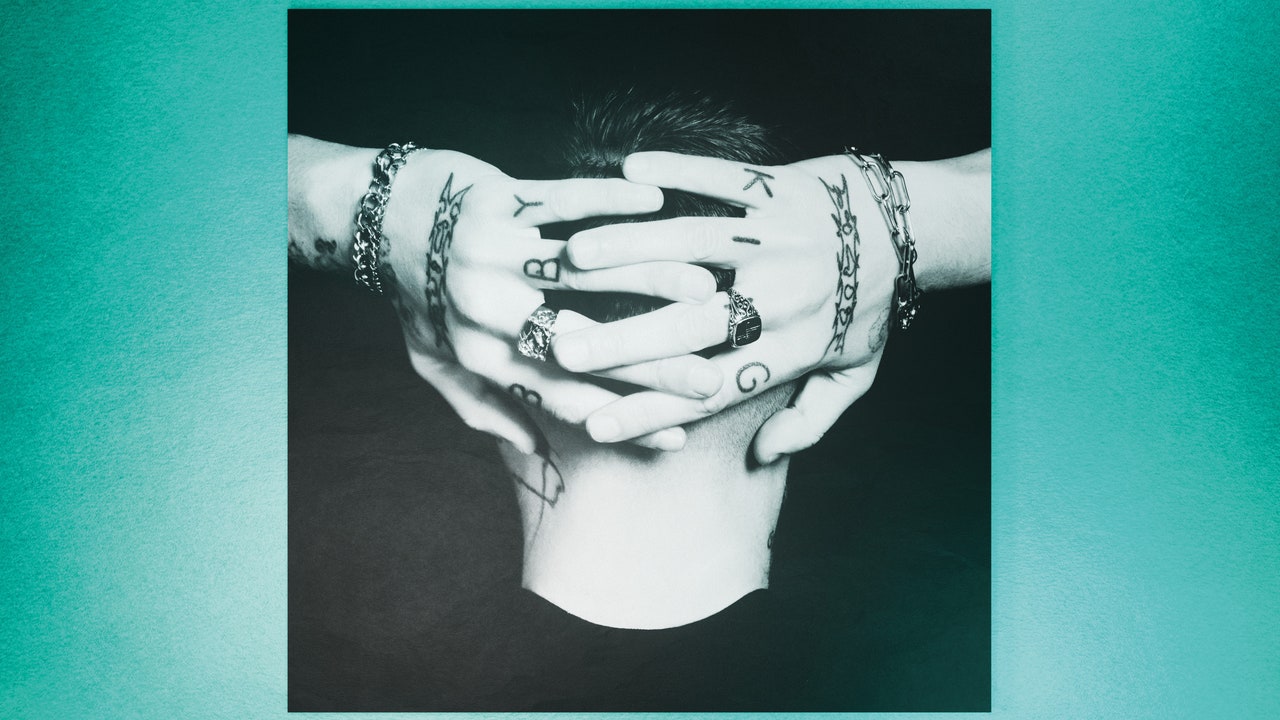
When I. Jordan spoke to Pitchfork in 2020, they weren’t getting their hopes up about the future. Their lofty ambition was to live in Berlin—“like every other DJ”—but they doubted they’d ever be successful enough to make that viable. They were, of course, being modest. By then, Jordan had already released a string of EPs that gushed with energy and emotion, blending UK rave styles with trance and the sunny thump of French house. Crucially, there was a personal element, too. 2020’s For You was a dedication to their younger self, an out-of-place queer teenager in the working-class northern English town of Doncaster. Four years later, Jordan has blown past those early doubts. Since 2021, they’ve found a home for their music on Ninja Tune, the prestigious and long-running London powerhouse. They’re now a fixture on the international club and festival circuit; Mixmag listed them as one of the 25 DJs who defined 2023. All the while, Jordan has kept their personal story front and center, chronicling their gender transition on social media and offering a real, humble, and empowering presence to their fans.
Sometime in the midst of this meteoric rise, Jordan’s music lost some of its magic. Early EPs like DNT STP MY LV, For You, and Watch Out! are beautiful, ecstatic, and overflowing with feeling in a way that makes you want to do more than dance—cry, maybe, or stage dive. But since around the time of their 2022 collab with Fred Again.., their tunes have felt glossy and flat, drained of intensity. I Am Jordan, their debut full-length, is, in concept, a bravely personal record, celebrating Jordan’s self-realization, queer community, and working-class roots. Musically, though, it is strangely hollow, full of tracks that are technically well-executed but emotionally unmoving. In spite of its high tempos, rave clichés (police sirens, canned spinbacks, a Shephard tone), and rowdy hints of donk and hard house, it only occasionally achieves liftoff.
The album’s best track is “People Want Nice Things,” an ethereal banger that chronicles Jordan’s transition in a clever and subtle way: To track how their voice dropped when they started taking T, they recorded themself saying the title phrase once every month for 10 months, then used those recordings as the song’s central vocal sample. But the rest of the album feels less distinctive and artistically assured than Jordan’s early records. The first single, “Real Hot n Naughty,” is a collaboration with the actor and dancer Felix Mufti. Jordan says they aimed to create “a real queer northern dance anthem” with this one, which feels like a big promise for a bit of shiny organ house with jokey Scouse raps on top.