

PHRASE come back after the experience ad Friends and the exit of Violathe unreleased song presented during the program. The new single is titled Parará and is available from Friday 13 February For WEA/ADA/Warner Music Italy.
The song focuses on a precise passage: when childhood ends and adulthood begins to demand an account of everything. He does it with the gaze of someone who has always felt out of the pack, transforming insecurity into a story and fragility into a shareable language.
Pre-save: https://wea.lnk.to/parara
Who is FRASA
PHRASEat the registry office Francesco Saias (Genoa, 2005), is a young singer-songwriter who grew up between singing, acting and music.
After musical and theater studies, the meeting with the acting coach Daniele Mignemi represents a turning point: PHRASE consolidates an emotional awareness that becomes the basis of his musical writing. In 2024 he published his first unpublished work Above Usproduced by Corrado Lambonashowing narrative intensity and vulnerability. In 2025 he entered the school of Friendsbringing an empathetic personality capable of transforming fragility and emotions into artistic energy.
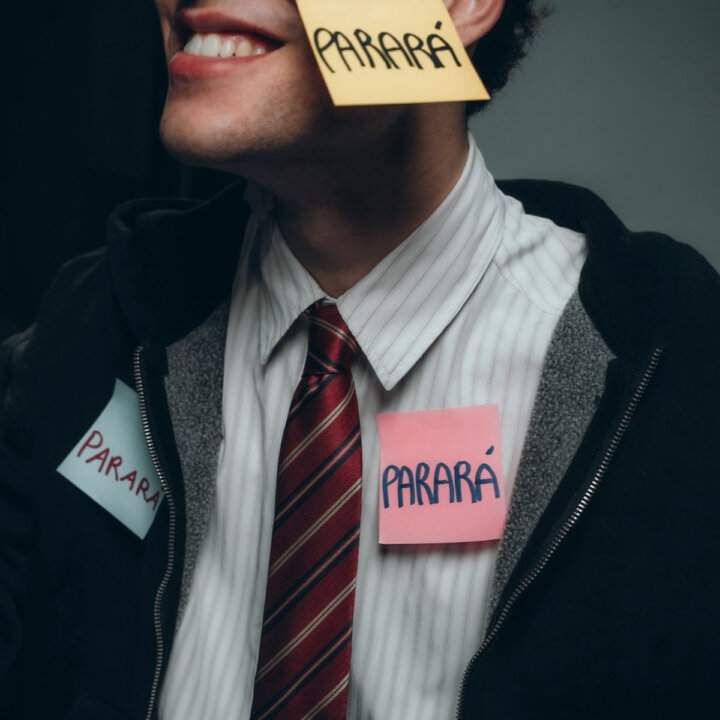
FRASA publishes Parará: vulnerability without rhetoric
Parará born from the image of a sensitive and empathetic child who grows up and becomes an educated adult who is attentive to others, but progressively more distant from love, especially that towards himself. Growing up also means accumulating thoughts, fears, expectations: defenses and protection mechanisms which, in the long run, become walls.
The central point of the song is inadequacy: feeling wrong, out of place or overwhelmed by thoughts that don't really belong is not an individual fact, but a common condition. The song tries to shift the gaze, inviting us to reduce the paranoia and make it less threatening, almost “singable”: will stop.
FRASA's words
“Parará is one of the very first pieces I wrote and for this reason I am deeply attached to it: there is so much of me and so much truth inside. It comes from a personal, almost physical need to throw out everything I had inside, but also from the desire to remember that we are not alone. The paranoia that I experience is most likely also experienced by you who are reading this and by those around you.
One of the central themes of the song is the difficulty of giving yourself to another person, of loving and truly loving yourself. It is a fragility that I feel is particularly mine. We often exaggerate problems until they become insurmountable, when in reality everything depends on the point of view from which we look at them.
Even a chaotic and limiting paranoia can transform into something smaller, lighter: a simple Parará“