
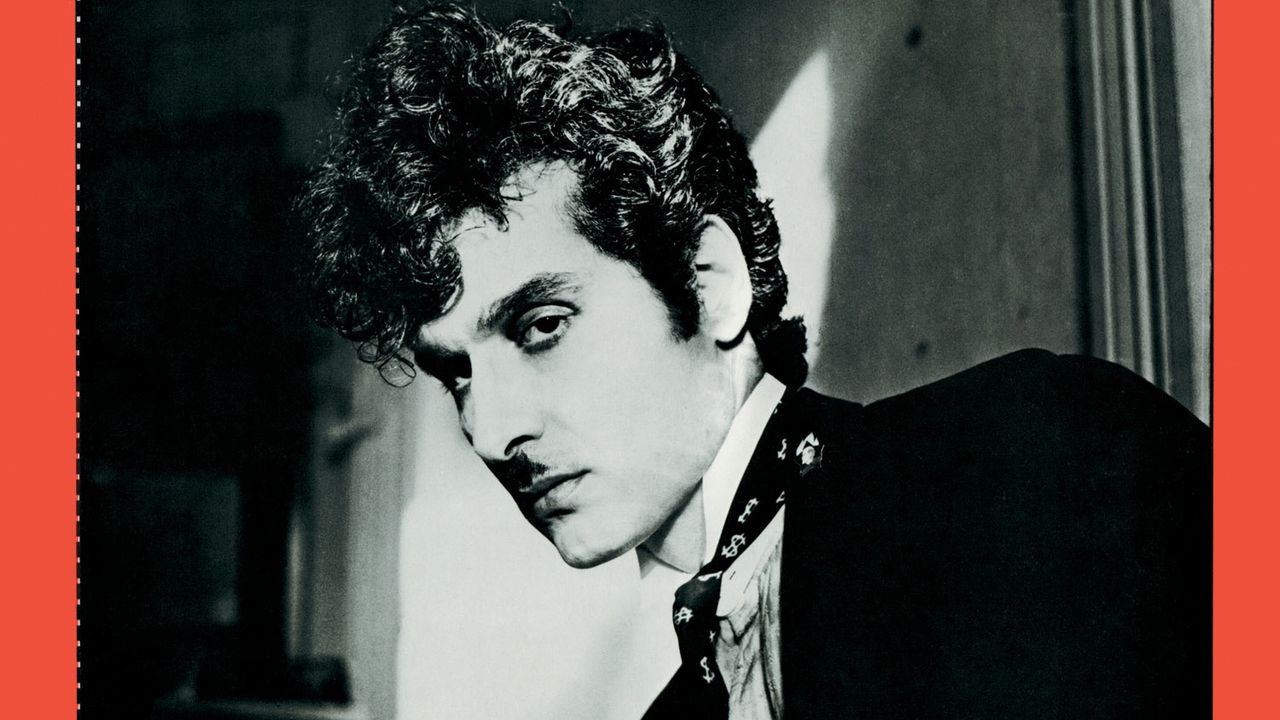
That weird discretion makes his takes on “Come On Little Mama” and “Hey High School Baby” less troublesome than, say, the Stray Cats’ “She’s Sexy +17,” which far too eagerly broadcasts its lecherous designs. Those historical re-enactors from Massapequa were taking rockabilly back into the Top 10, but lesser-known bands like the Blasters and, in particular, the Cramps were cratedigging for left-of-center inspiration and putting their own indelible stamps on old blues and rockabilly numbers. Behind the Magnolia Curtain, though, sounds like an album that could only have been made in Memphis by artists steeped in local lore, by folks who drove by the boarded-up Stax building every day, who maybe bumped into Furry Lewis sweeping up on Beale Street, who knew where all the bodies were buried. It’s full of big ideas, but never sounds brainy or abstract. It’s always specific, always purposeful, always lurid. Behind the Magnolia Curtain kicks you in the head and the gut, and then it kicks you in the ass.
There’s an intimacy with the source material, but also a sense of immense possibility. Falco invited members of the Tate County Mississippi Drum Corps up to Memphis to play on the record, and you can hear their booming bass drums and slithering snares on their version of R.L. Burnside’s “Snake Drive” and Ary Barrosso’s “Brazil.” The latter is one of the most covered songs of the 20th century, but that bouncing chorus of drums, along with Falco’s marblemouthed croon, utterly transforms the melody. This melding of punk and fife-and-drum blues has inspired locals for years, including one-time Panther Burns guitarist Lorette Velvette (“Come On Over”) and the Oblivians (“I May Be Gone”).
Rough Trade picked up Behind the Magnolia Curtain, and soon the Panther Burns were on the road more than they were in Memphis, with a lineup that changed almost every night. A few members played only one show, others even less. The official list of players past and present includes old-timers like Burnside, the Memphis Horns, Teenie Hodges of the Hi Rhythm Section, and the Bar-Kays’ Ben Cauley, along with younger artists like Jim Duckworth (of the Gun Club), Jim Sclavunos (Teenage Jesus & the Jerks and later the Bad Seeds), Alex Greene (Reigning Sound), Roland Robinson (who wrote Rod Stewart’s hit “Infatuation”), and many others. Chilton left the band not long after recording Magnolia Curtain, but his short tenure invigorated him: You can hear him tinkering with these ideas throughout his career, especially on his 1979 solo debut, Like Flies on Sherbert. Finding intention in inscrutability, he forged a way forward.
For Falco, it was impossible to sustain that chaos of possibilities, and not just because the musicians in Panther Burns couldn’t help but hone their chops. Folks get used to loud and bad, they adjust to the din, so the visible becomes invisible once again. His subsequent albums, including 1987’s excellent, Chilton-produced The World We Knew, burrow deeper into his own persona, which is eccentric and mysterious in a specifically Southern way. He left Memphis for Europe in the early 1990s, perhaps with the idea that the best way to understand your home is to leave it, yet he remains closely associated with that city as a soapbox historian, always beating the drum for the forgotten and the never-known. With Behind the Magnolia Curtain, he showed generations of locals how they might rediscover and redefine Memphis music, how they might draw back the curtain once more.
Daniel D`Amico for SANREMO.FM