
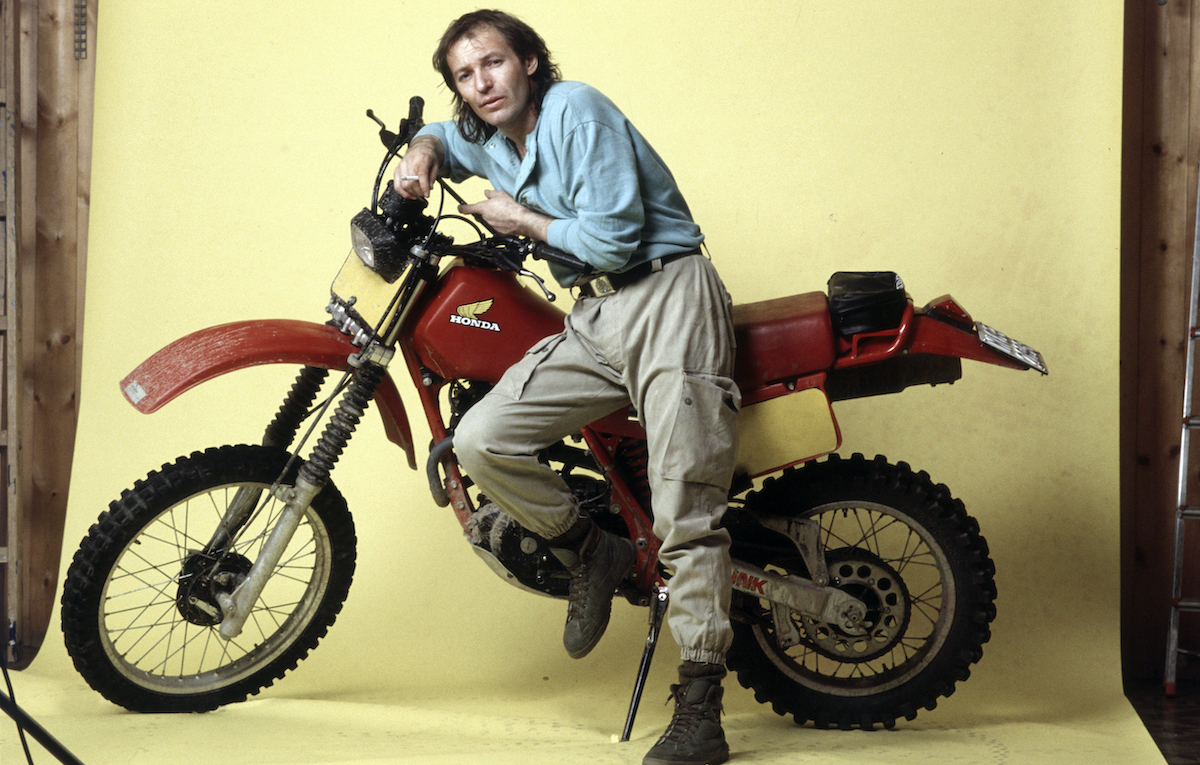
In 1983 – years in which Italy was preparing to run faster than it knew how – it came out Bubbles. And I was there, inside that sound, inside every note.
They were strange years: I saw kids in Piazza Maggiore with Moncler down jackets and Timberlands, and I wondered if music could really still scratch that armor of plastic and advertising. Bologna itself seemed to be changing: the clubs in the center began to follow the American model, the “fast”, while I spent the nights in the studio looking for slowness, depth, something that remained.
The processing of Bubbles it was like this, a continuous game between lightness and depth. Vasco came with raw ideas, jotted down like notes from a road diary, and we, behind the mixer, tried to transform them into something that sounded universal without losing the original anger. We all knew that this was not only Vasco's life, but also ours, the life of all those who found themselves dreaming at night, trying to give shape to something that would last longer than a trend.
And when Bubbles came out, we realized that the world around us was changing too quickly. Private radios sounded like entertainment supermarkets, between a jingle and an advertisement. Music was losing its sacredness, it was becoming background, noise to be consumed quickly, like a product on the shelves of a shopping mall. Television followed the American model, made up of bright colors, smiling faces and fast programs that left no room for complex thoughts. In the squares and bars there was more talk about brands and looks than ideas. Programs like Drive In they went crazy with their irreverent and frenetic language, while politics struggled, frayed between old ideologies and the usual power games.
I felt that Bubbles it came as a paradox: it was fresh, lively, popular, but inside it hid the anger and disenchantment of those who saw a country having fun without worrying about understanding where it was going. Bubbles it entered homes like a crooked and sincere voice, which looked you straight in the eyes and said: yes, the world is racing, but I want to stop for a moment and tell you how I am.
Bubbles it soon became the best-selling album of the year, with over a million copies. But it was much more. The opening song, Bubbleswas a pop bomb disguised as an advertisement. A frontal attack on disposable culture, on TV that tells you what to want, on marketing that even slips into dreams. Small advertising space it wasn't just a joke. It was a merciless x-ray of that time, made with the words of a man who didn't want to become anyone's spokesperson, but ended up being one. And then there they were Reckless life, Bring me God, A song for you, Deviations…each was a splinter, a fragment of youthful identity. Vasco sang about love, disenchantment, the desire to disappear. He sang about true freedom: that of being wrong.
The critics were divided. The press grumbled. Right-thinking people cried foul. Vasco was accused of being a bad example, a stoner singer, a prophet of nothingness. But those who were in children's bedrooms, in the squares, with Walkmans, felt that the opposite was true. It wasn't Vasco who pushed young people to live badly. The problem was the reality around. At least he told it like it was.
That sincerity was disarming and frightening. And in the meantime the songs climbed up the charts like rockets. The squares were filled. The concerts became collective rituals. Vasco was the first Italian rocker to have a “Springsteen-style” audience: transversal, faithful, visceral.
For me Bubbles it was more than a successful album. It was a crossing point. From then on everything would become bigger, more structured, more exposed. But he would never be so free again. So pure. There was no going back. Neither for Vasco, nor for us. We had shown that an Italian record could have the sound, ambition and courage of an international record. And we had done everything with analogue tape, late hours, delays calibrated by ear, pure intuition.
When they ask me today what it makes Bubbles so special, I reply: «The fact that he didn't want to please everyone. But he spoke to those who needed to hear something true.” Bubbles it's one of those records that doesn't age. The context changes, fashions change, but Reckless life a cry remains. Bring me God a short circuit remains. A song for you it remains a caress. And the title track… well, that remains the best ad against advertising, made with the rules of advertising itself.
When I listen to it again I still hear the MCI deck, the whiff of the tape, the vibration of the bass, the opening of the can. I feel Guido's hand, Rudy's precision, the dreamy lightness of Dodi Battaglia. I feel the night. The research. Doubt. I feel myself. I hear a truth. And we recorded that truth. At night.
I believe that Bubbles has succeeded in something very rare: capturing the noise of a generation and transforming it into sound. That noise that we all had inside – made up of the desire to live, confusion, anger, irony, hunger for meaning – we passed through cables, valves, heads, amplifiers. And we made it listenable. Not polite. Not domesticated. But powerful. Real. Not replicable.
If today there is still a distance between commercial music and music that leaves its mark, Bubbles it's proof that you can sell a million copies and still be free.
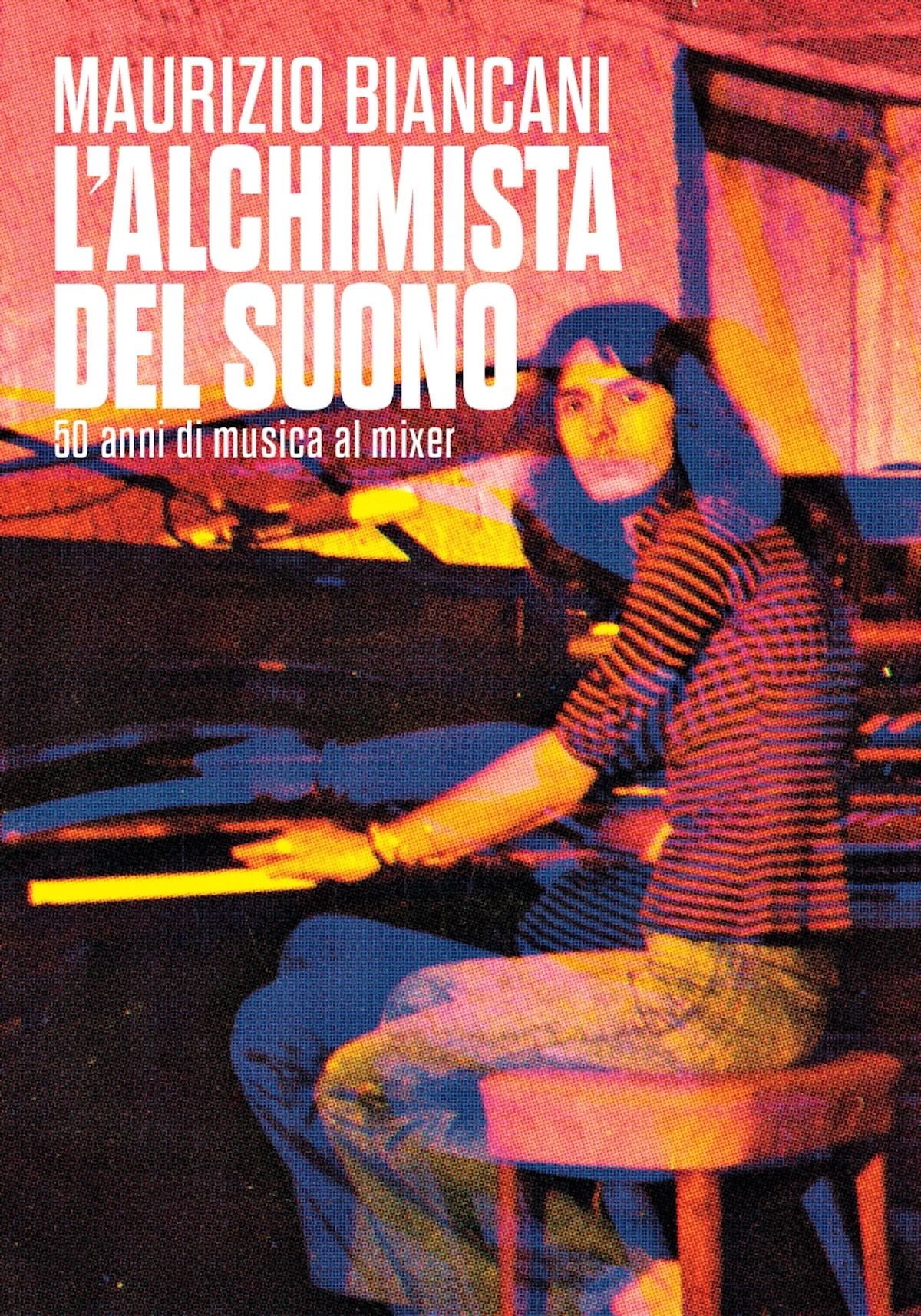
Taken from The alchemist of sound. 50 of music on the mixer by Maurizio Biancani (Fernandel Editore).
