
vote
7.5
- Band:
Afargang - Duration: 00:49:56
- Available since: 13/06/2025
- Label:
-
By Norse Music
Streaming not yet available
At most the name Olav L. Mjelva will say little or nothing, but many know him indirectly being one of the musicians involved in the music of the TV series “The rings of power” and the video game “Gods of War: Ragnarök”, as well as collaborator of projects such as Wardruna, Gåte and the collaborations between Ivar Bjørnson and Einar Selvik.
As you can guess, therefore, the soil on which you move is that of folk metal, they marked but, unlike most outputs of the genre, here it is not metal veined folk, but rather real folk music with metal influences – but after all it could not be otherwise, being OLAV mainly a musician dedicated to traditional music.
If the Afargang project is the result of its twenty years of experience in the rediscovery of the musical roots of Norway combined with its love for Metal, the “Andvake” debut represents a real meeting point between these two musical worlds.
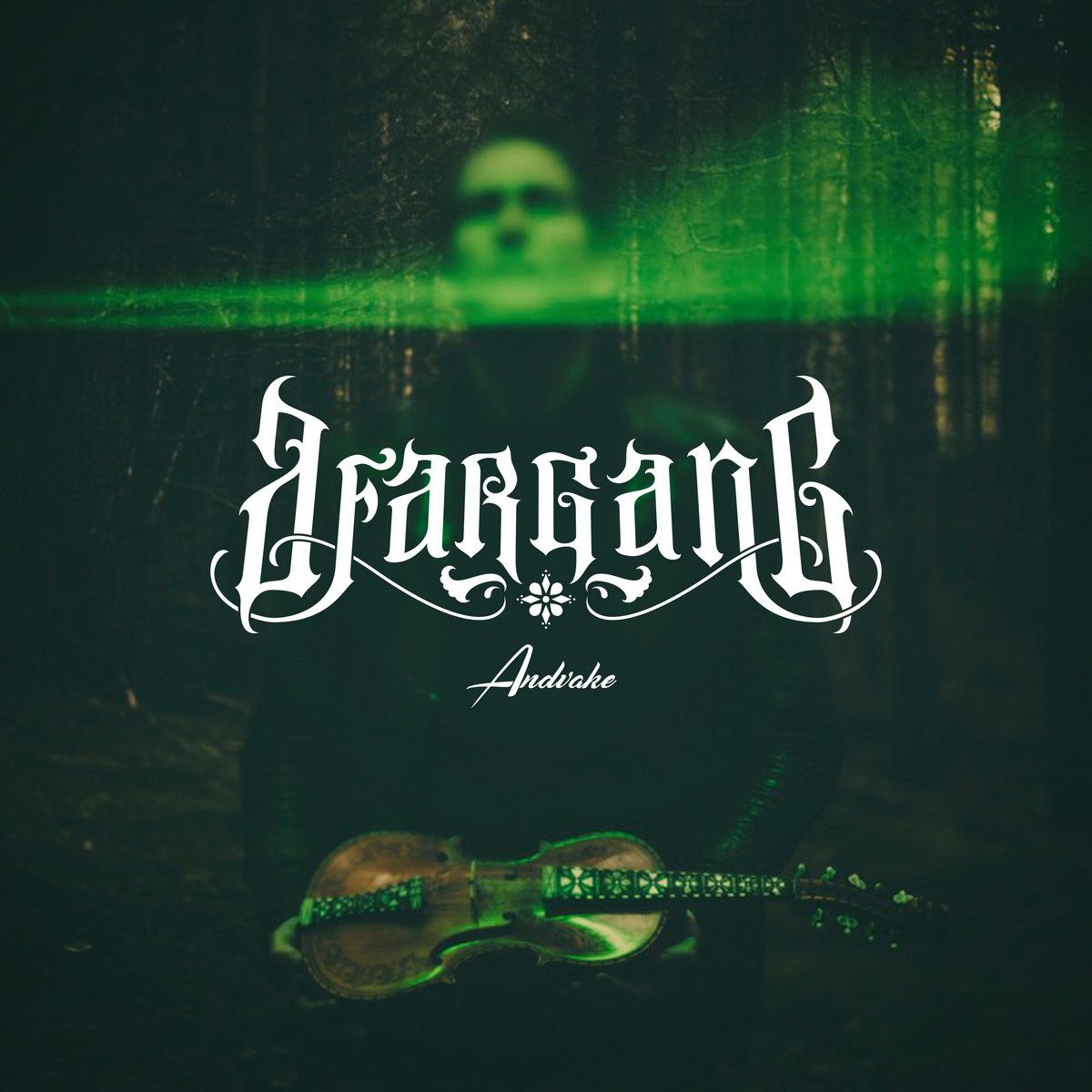
The music of our rests its foundations in the sound of typical instruments of Scandinavian musical culture like the brunette (of the same family as that used by the Wardruna Einar, so to speak) and above all thehardeningNorwegian national instrument similar to a violin but with the characteristic of having ropes of resonance that give a much more choral and harmonious sound.
Supported in the studio by Stian Kårstad, Treton's guitarist and Djer (here also as a manufacturer), Olav builds songs with a purely folk flavor to which a metal guise is given at the level of arrangements, with a result not too dissimilar to that of the works “Skuggsjá” and “Hugsjá” of the Duo Selvik-Bjørnon, Differences: in fact, where in those records the ghost of the Wardruna was ringing by force of things, the songs of “Andvake” shine with a more relaxed and melancholy mood, weighed down by electric guitars typically viking metal and disagreement in the extreme, as in the opening track “Mot Verda”, which evolves an acoustic sound to push in black metal territories in an absolutely natural way.
Fortunately, the extreme component is dosed sparingly, leaving room for melodies and harmonies far from rock and typical of Norwegian culture: from this point of view “Kvile” is the best example, with its sung similar to kulningan ancient vocal technique used to recall cattle.
Weaves of hardening And guitars embellish the delicate “Leika” who relies on rock rhythms without losing his characteristic mood of popular songs, while on the other hand the triptych “Sjå det Blånar”, “lever og døy” (in which the blast-beat also reappear) and “I of eining” perhaps approach a little too much to the most progressive ennslaved, losing in a minimum part. The originality of the other songs was not for a sound that, despite a more classically metal system than the rest, maintains the spatiality and organic sound image typical of acoustic music.
Perla of the entire work, however, is the final “Kom Ned”, a poignant ballad that evolves a minimalist sound made of voices, acoustic agreements and a cyclical melody in a liberating anthem that dirty with distortions, but only to emphasize the dramatic crescendo dictated by the precious arrangements of violins, arches and choirs. A solemn and transcendental moment that invites the listener to seek peace in a tumultuous world and that must absolutely represent the point from which the future of a project like Afargang evolves.
“Andvake” is a fascinating and not easy to assimilation work: it detaches itself in part by the usual folk metal vein precisely because of an intrinsic and strong connection with popular music, which represents the vital nucleus around which metal influences orbit. The very choice of leaving the texts in a dialectal Norwegian, a component inseparable from the entire concept, could potentially represent an obstacle but is however a compulsory and essential decision for music so strongly linked to the cultural roots of those lands.
A declaration of love towards one's roots and one of the most sincere and pure recent examples of what often cataloges, forcedly, with the term 'folk'.
Daniel D`Amico for SANREMO.FM